Why Your Leopard Gecko Won't Eat: 7 Common Reasons and Solutions
Cooler Than Comfort? Check Your Tank's Temp
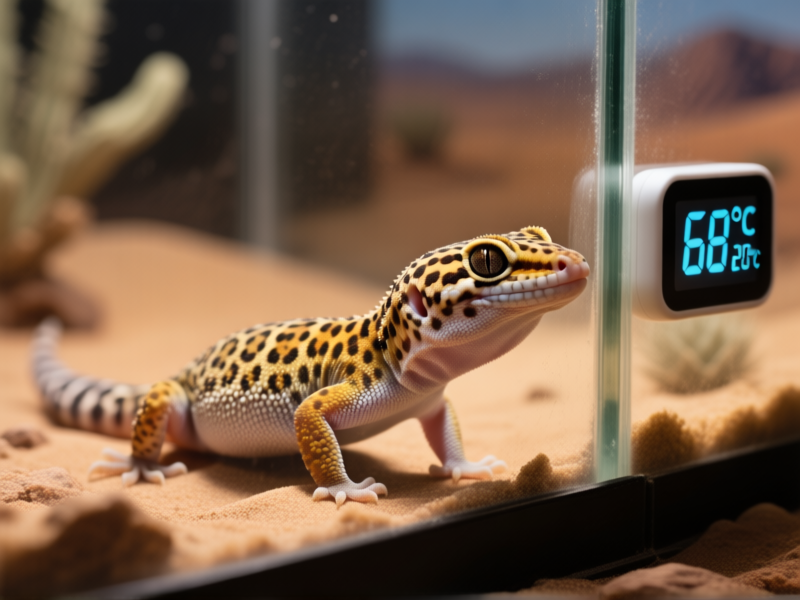
Here's the thing about these little desert-dwellers. They're cold-blooded. Literally. Their entire metabolism, their digestion, their will to live... all of it runs on external heat. If your warm spot isn't hitting 88-92°F (31-33°C), you've basically turned their stomach off. They might sit there, looking at a juicy cricket like it's a paperweight. Because to them, it is. Grab a digital thermometer with a probe. Check that basking area. If it's chilly, fix your heat source. It's usually that simple.
Feeling Stressed? Give 'Em a Minute
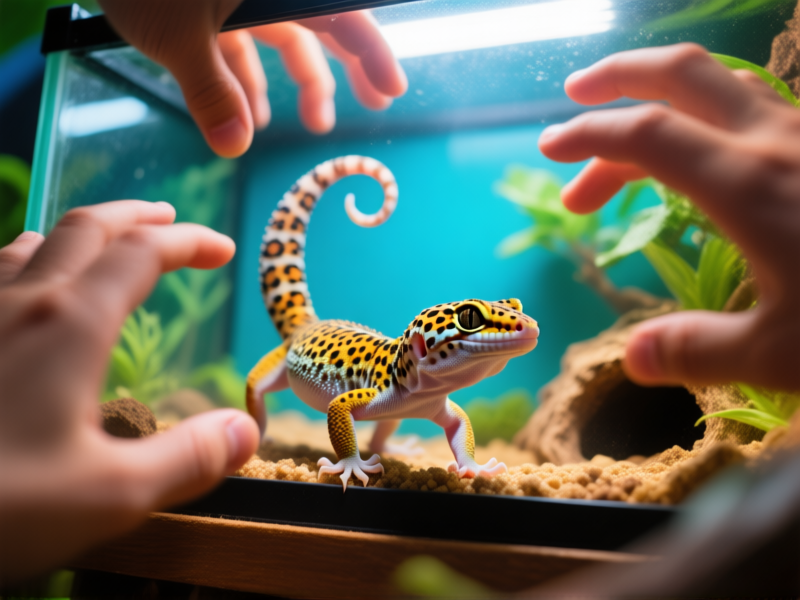
Did you just move them to a new tank? Get a new cat that stares at the glass all day? Maybe you're handling them a bit too much. They're not dogs. Sudden changes equal stress. Stress equals hunger strike. Think about their setup. Do they have at least two good, snug hides—one on the warm side, one on the cool? Is the tank in a high-traffic, noisy hallway? Sometimes the fix is just backing off. Leave them alone for a few days. Let them remember they're safe. Food can come later.
Bad Timing? You're Serving Dinner at 3 PM
You're a creature of the day. They are not. Leopard geckos are crepuscular. That's a fancy word for "most active at dawn and dusk." Trying to feed them under the bright afternoon sun is like someone shaking you awake for a steak dinner at 4 a.m. You'd be annoyed too. Try feeding an hour after the lights go off, or right before you go to bed. Use a dim night-light or just room light. You'll often see a whole new level of interest when their internal clock says it's go-time.
Food Boredom & The Wrong Grub
Would you eat plain oatmeal for every meal? Forever? Yeah, me neither. If you're only offering one type of insect, they might just get bored. Rotate those feeders: crickets, dubia roaches, black soldier fly larvae. But also, you might be offering the *wrong* staple. Mealworms and waxworms are like junk food. Fine as a treat, terrible as a main course. They're fatty and lack the movement that triggers a hunting response. Switch to a more active, nutritious feeder as the main event. Watch the attitude change.
The Silent Sickness You Can't See
This is where we get serious. Sometimes, not eating is a symptom, not the problem. Impaction from eating substrate? Parasites from a new pet store bug? A nasty respiratory infection or mouth rot? These guys are masters at hiding illness until it's bad. Look for other signs. Lethargy, weight loss (check that tail!), weird poop, puffiness around the mouth, wheezing. If the temperature and stress are dialed in and they're still refusing food for more than two weeks, especially if they're losing weight, it's vet time. No debate.
That Time of the Year (Brumation Blues)
If your house gets cooler in the winter, don't panic. In the wild, they'd slow down. It's called brumation. Not a full hibernation, but a noticeable drop in activity and appetite. They might eat once a week. Or not at all for a few weeks. It's normal, *if* they went into it with a nice, fat tail for fuel. The key is to offer food occasionally, but don't stress if they refuse. Keep fresh water available. When the temps rise again, their appetite usually comes roaring back.
Is It Just... Picky? The Power of Scent
Alright, let's say everything else is perfect. Tank, temp, health, timing. And they still snub their nose. Try this chef's trick. It's all about scent. Before you dust your feeder insects with calcium or vitamins, "gut-load" them. Feed the crickets or roaches some nutritious greens and grains 24 hours before. That nutrient-rich gut passes to your gecko. Also, try offering a different insect. The new smell and movement can trigger a feeding response they didn't know they had. Sometimes, you just gotta find their favorite food.