Why Is My Leopard Gecko Hiding All the Time? Normal Behavior or Cause for Concern?
Your Leopard Gecko Isn't Broken. They're Designed to Hide.
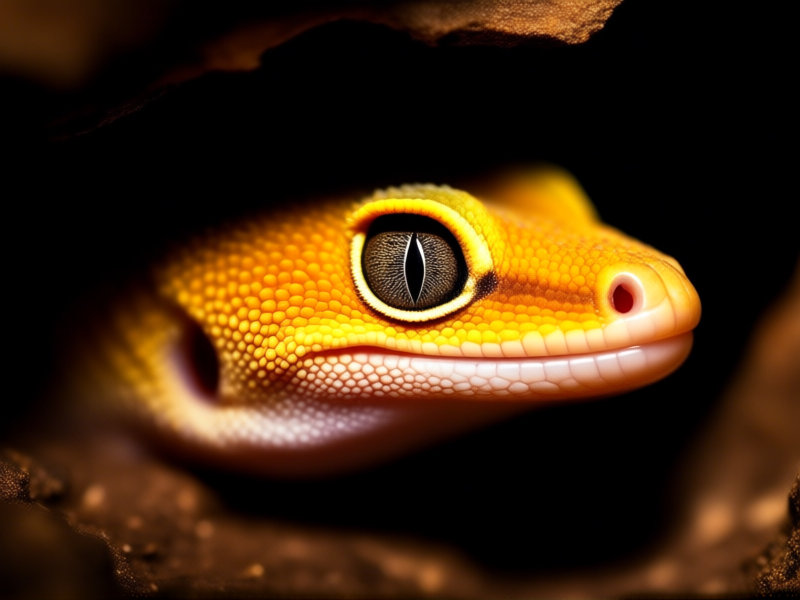
Let's get this out of the way first. Your gecko hiding is about as shocking as the sun rising. Honestly. Humans are diurnal, social, pack animals. We're out in the sun. Leopard geckos are the exact opposite: nocturnal, solitary, and prey animals. They think, "If something big and loud can see me, it can eat me." Your well-meaning face staring into the tank? That's a potential predator. The constant activity and light in your living room? Unnatural and stressful to them. Hiding isn't just a hobby; it's their full-time survival strategy.
Okay, So When Does "Normal" Hiding Become "Hiding a Problem"?
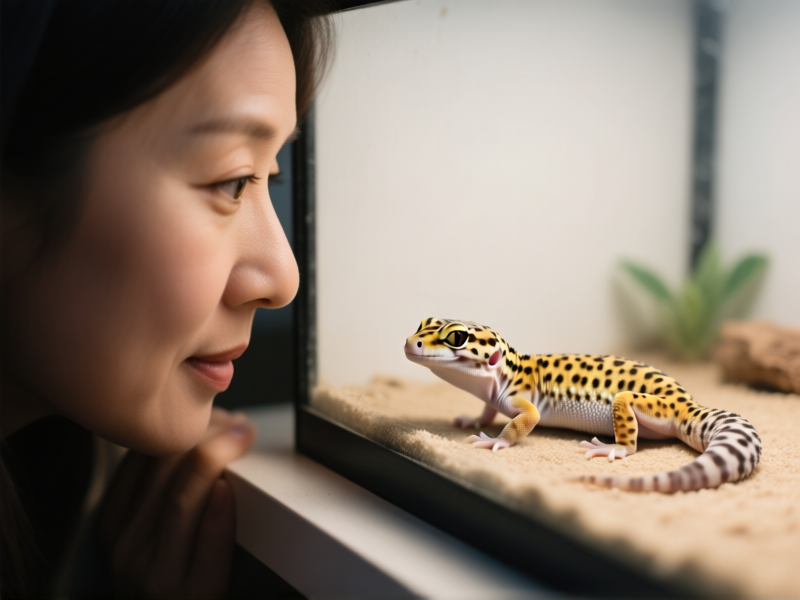
Here's the thing. A healthy gecko hides to feel safe, but it also *does things*. It comes out at night to explore, hunt, maybe take a drink. The concern isn't the hide. It's the *only the hide*. If your gecko is *never* visible during dawn/dusk or nighttime hours, something's off. If you see them out but they freak out and bolt when you walk by, that's a clue. You need to learn the rhythm of your specific pet.
The Usual Suspects: Why Your Gecko Might Be Too Scared to Chill
If your buddy is glued to their cave 24/7, check these, in this order. Seriously, it's almost always one of these. First, **temperature**. Is the warm hide actually *warm*? Belly heat is everything for their digestion. A cold gecko is a lethargic, stressed gecko. Second, **not enough hides**. You need AT LEAST two. One on the warm side, one on the cool side. And clutter--plants, fake vines, cork bark. They need a runway, not an open field. Feeling exposed from the hide to the water bowl is terrifying. Third, **the hide is just too good**. If it's the perfect hide, dark and snug, they'll use it. That's a win, not a loss.
Let's Get Real: When to Start Actually Worrying
This is where we move beyond husbandry and into health. If your temps and hides are perfect and your gecko is still a recluse, look for these red flags. Is their tail skinny? A fat tail is a savings account; a thin tail means they're not eating. Are they sleeping out in the open during the day? That's weird for a nocturnal animal. See any stuck shed, especially on the toes? Listen for wheezing or see mucus around the nose or mouth. Any of these paired with constant hiding means a vet visit--a reptile vet, not a cat-and-dog vet.
So, What Do You Actually Do About It?
Don't try to force friendship. You can't. Your goal is to build an environment so secure that *they* choose to be a little bold. Feed them at a consistent time, in the evening. Just drop the worms in a dish and walk away. No watching. Let them associate your presence with good things (food) happening, not with being grabbed. Stop trying to take them out of the hide. Just sit by the tank sometimes, reading or on your phone. Let them get used to your shape and scent without pressure. It takes weeks. Months. But a confident gecko who feels safe will start to greet you.