UVB Lighting for Leopard Geckos: Is It Necessary or a Waste of Money?
So, what's the deal with geckos and sunlight?
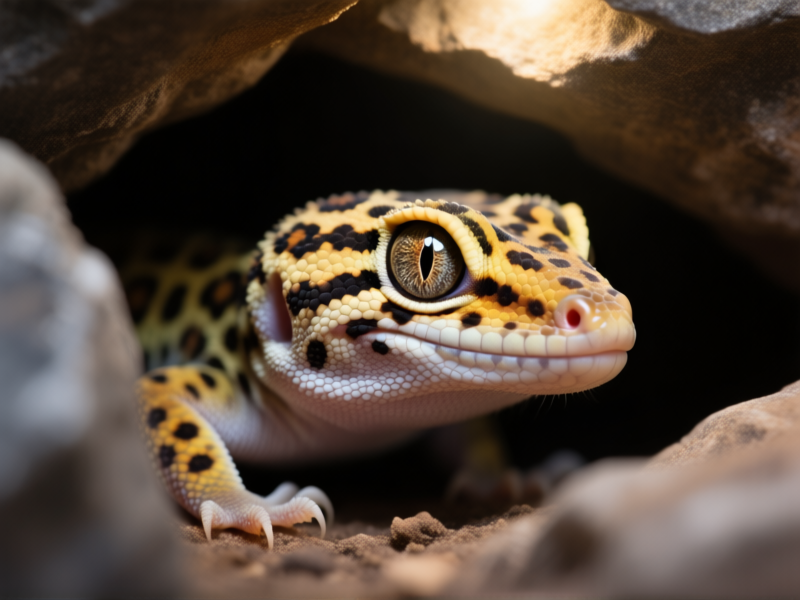
Look, for years we were told leopard geckos were simple. Nocturnal critters. Shove them in a tank with a heat mat and a couple hides, and you're golden. The "They Don't Need UVB!" chant was gospel. But here's the thing: reptile science doesn't sit still. We're learning more all the time. And the old gospel is starting to sound a bit... outdated. The real question isn't just about necessity. It's about what "thriving" really looks like versus just "surviving." Let's break it down without the hype.
The Science in Plain English (No Lab Coat Required)
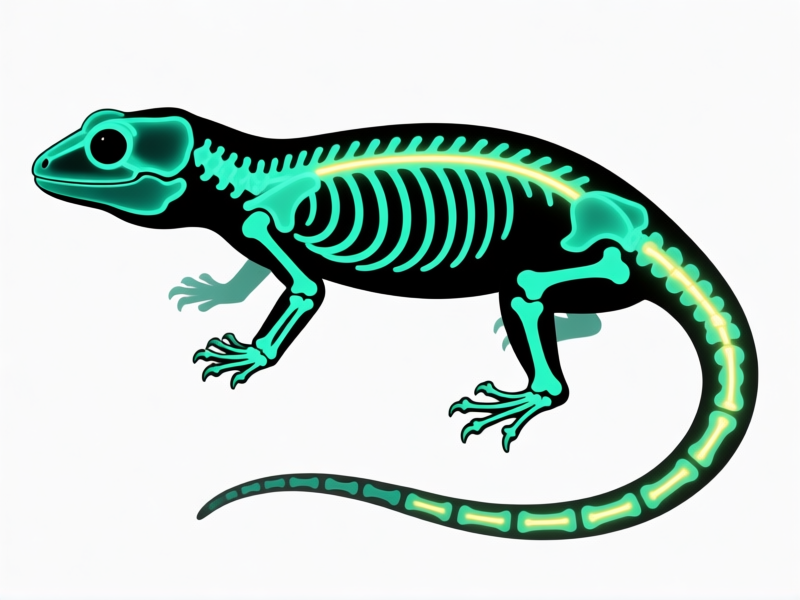
UVB light is the specific wavelength that lets your gecko's body produce its own Vitamin D3. D3 is what allows it to absorb and use the calcium from its food. Without it, all that gut-loaded dust just... passes through. You can supplement D3 directly in the diet. It works. But it's a bit like getting all your vitamin C from a pill instead of an orange. The natural, self-regulated process has advantages. It lets the animal control its own levels, which is kinda elegant when you think about it. The argument for UVB isn't that supplements fail; it's that a natural option might be better.
The "Mandatory" vs. "Highly Beneficial" Debate
Calling UVB "absolutely necessary" for survival? That's where the fight starts. Because with perfect supplementation, a gecko can live. But "can live" is a painfully low bar for a pet, isn't it? Proponents point to observed benefits: better appetite, more vibrant coloration, increased activity and natural behaviors like basking (yes, even "nocturnal" geckos will use low-level UVB). It supports stronger bones and may help prevent Metabolic Bone Disease, a nasty, crippling condition. Is it a magic bullet? No. But calling it a total waste of money ignores a growing pile of anecdotal and scientific evidence that it elevates quality of life.
How to Not Fry Your Gecko: A Safe Setup
If you're convinced to try it, you can't just slap any old reptile bulb in there. You'll cook them. Leopard geckos need *low-level, desert-grade* UVB. Think a T5 or T8 5.0 or 7% UVB bulb. Crucially, it must be mounted *inside* the tank (screen tops block a chunk of UV) and cover only about 1/3 of the enclosure. This creates a gradient, just like heat. They can choose to soak it up or avoid it. Always use a guard. And replace the bulb every 10-12 months, even if it still lights up—the UV output fades. Pair it with a simple timer for a consistent 10-12 hour daytime cycle.
The Final Verdict: Skip the Dogma
Forget the online wars. Here's my take. Is UVB lighting *strictly* necessary to keep a leopard gecko alive? Technically, no. A well-supplemented gecko can get by. But calling it a "waste of money" is reductive. It's an investment in a more natural, potentially richer life for an animal in your care. If your setup is already perfect—temps, humidity, supplements on point—adding appropriate, low-level UVB is the next logical step in modern husbandry. It’s not about fear; it’s about offering an extra piece of their natural puzzle. The choice is yours. But now you know what you're really choosing between.