Understanding Tail Waving: Is Your Leopard Gecko Being Playful or Aggressive?
Is the "Slow Wag" Really a Happy Dance?
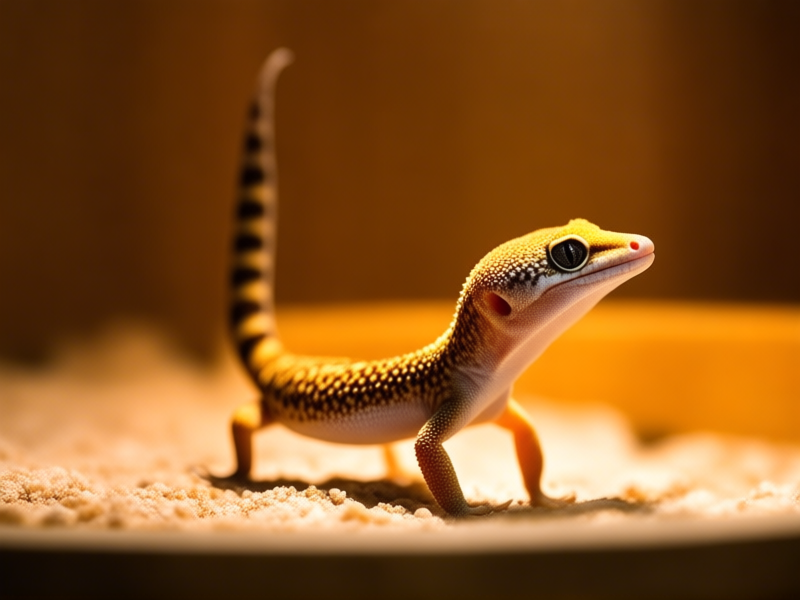
Let's get one thing straight. Your gecko's tail wave is almost never about being "playful". That's a human idea we love to project. But here's the thing: in the reptilian world, that beautiful, deliberate motion is pure, concentrated body language. We're talking about a slow, rhythmic sway, like a metronome set to "chill." It can look downright hypnotic. Don't mistake this for a wagging dog's tail. It's more of a signal. A very specific one.
Decoding the "I See You" Shake
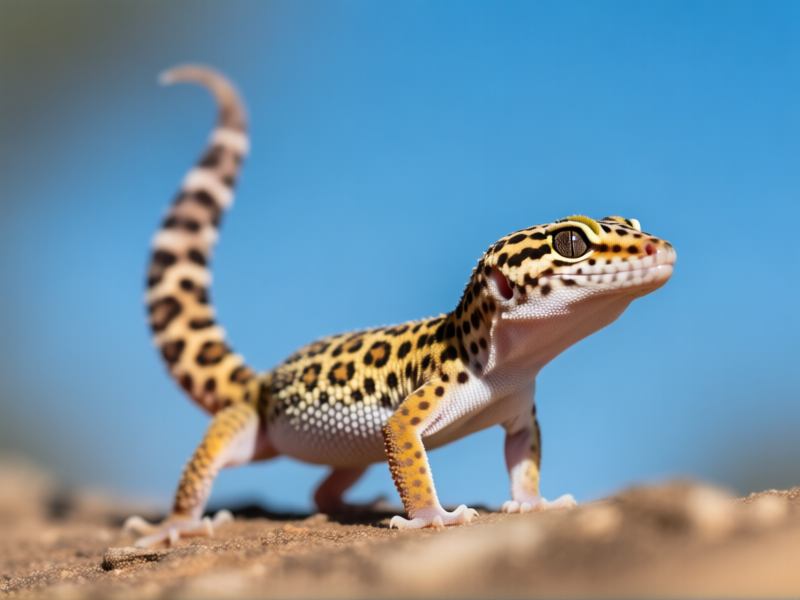
This is the most common scenario. You walk up to the tank. Or maybe you move your hand nearby. And bam — the tail goes up and starts that slow, side-to-side wave. This isn't aggression. Actually, it's curiosity mixed with a healthy dose of caution. Your gecko is saying, "I am aware of you. I am tracking you." It's a sign of an alert, engaged lizard. Think of it as their version of raising an eyebrow. They're assessing you, figuring out if you're a threat, a food source, or just a weird, giant part of the scenery. Let them look. It's a good sign they're paying attention.
When the Wave Turns into a Rattle
But the vibe changes. Drastically. If that slow, fluid wave suddenly becomes a fast, buzzing vibration or a frantic whip, you need to back off. Now. This is the real deal. This is your gecko screaming, "I feel threatened and I am ready to defend myself!" The slow wag is assessment. The fast rattle is a final, unmistakable warning. It often happens right before they lunge or, in a last resort, drop their tail. If you see the tail vibrating like a rattlesnake's, you've crossed a line. Respect it. Give them space immediately.
Food Frenzy & Mating Madness: Other Reasons for the Wiggle
Context is everything. Sometimes the tail move is about dinner, not danger. You might see a subtle, quick quiver of just the tail tip during feeding time. That's pure predatory excitement. They're locked onto a cricket and their whole body is buzzing with hunt-mode energy. During breeding season? Males can do a more pronounced, shimmying tail wave as part of their courtship dance. It's a whole different rhythm. So before you panic, take a second. What else is happening in their world right now?
How to React (And What Not to Do)
The biggest mistake you can make is to see the slow wave and immediately shove your hand in to pet them. Nope. That's how you turn curiosity into fear. When you see the "I See You" wave, just be cool. Move slowly. Talk softly. Let them get used to your presence. Your goal is to be boring and predictable, not exciting and scary. If the tail is rattling? Forget it. Abort mission. Your interaction is done for now. Trying to push past that warning is a fast track to a dropped tail and a traumatized gecko. Read the room. Or, well, the tank.
Your Gecko's Unique Dialect
Just like people, every gecko has its own personality. One might be a chill, slow-wave-all-day kind of lizard. Another might be more jumpy. The key is to become a student of *your* gecko. Watch them. Learn their normal "baseline" behavior. Notice what specific things trigger that tail wave. Is it always when the cat walks by? Or only during hand-feeding? This isn't about memorizing a rigid rulebook. It's about building a relationship and understanding their own, unique way of talking to you. Pay attention. They're telling you everything you need to know.