Understanding Leopard Gecko Body Language: 10 Signs of Stress vs. Contentment
Your Gecko's Tail Is Talking. Are You Listening?
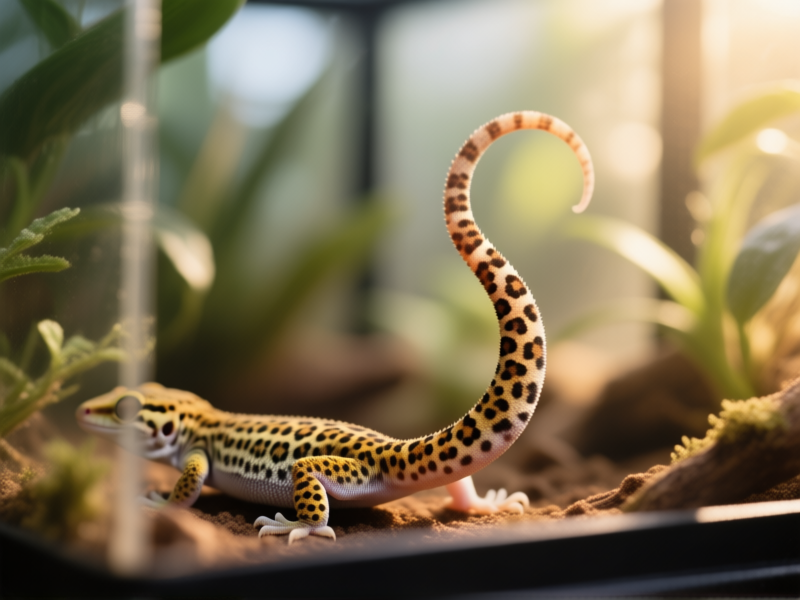
Okay, let's cut to the chase. Your leopard gecko can't bark or meow. Their entire mood is broadcast through their body, and the tail is the headline news ticker. Here's the translation guide. A slow, deliberate tail wag or a gentle, curious lift? That's focus. Maybe they see a cricket. It's cool. A tail held high with a little curve? That's a content, confident gecko just going about its day. But. A tail vibrating frantically like a rattlesnake on espresso? Red alert. That's high-stress, high-alarm territory. It screams "Back off!" or "I'm terrified!" Don't ignore the tail twitch. It's their most honest signal.
Window to the Soul: What Their Eyes Are Really Saying
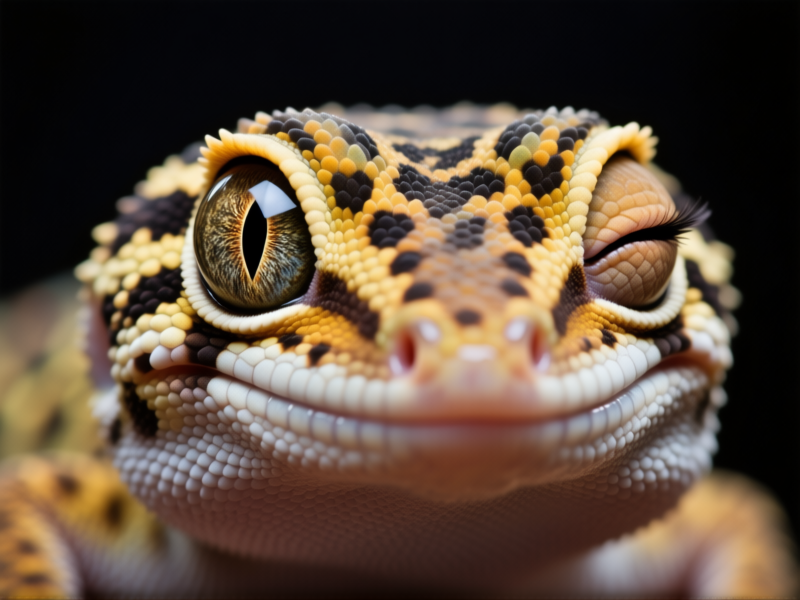
Forget puppy-dog eyes. Gecko eye language is next-level. When they're chill, you'll see bright, clear, alert eyes. Blinking is normal. The real stress sign? Squinting or keeping one eye closed for no reason. It's not a cute wink. It usually means the lighting is too harsh, they're feeling vulnerable, or something is irritating them. Think of it like you walking out into blinding noon sun. You'd squint, right? Same deal. Also, if their eyes suddenly sink in, looking sunken, that's a major health red flag, not just stress. Dehydration or illness. Time for a vet, not just a blog read.
Belly Up vs. Belly Down: The Trust Test
This one's simple physics. A relaxed, happy gecko trusts its environment completely. That means maximum surface contact. They'll be pancaked—flat belly on a warm rock, legs splayed out, just soaking up the heat. Total zen mode. A stressed gecko is the opposite. They'll be tense, arched, with their belly pulled up off the ground. It's a ready-to-bolt position. They don't feel safe enough to let their guard down. If your gecko never pancakes, ask why. Is the hide not secure enough? Is the cat staring 24/7? Feeling safe enough to expose your belly is the ultimate reptile compliment.
The Sound of Silence (And the Sound of Stress)
Leopard geckos are famously quiet. That's your baseline. Serenity. But they do have a tiny vocabulary. A soft, singular chirp or squeak? That's often a content sound, like a cat's purr. You might hear it during handling when they're curious. The stress sound is a loud, sharp, repetitive squeak or bark. It's unmistakable. It means "I am profoundly unhappy with this situation." You'll hear it if they're seriously startled or feel threatened during handling. Listen for it. It's their "all-stop" alarm. Respect it.
Active Explorer or Secret Hider? Reading Their Rhythms
Here's the thing: they're nocturnal. Judging their activity at 2 PM is pointless. A content gecko follows a natural rhythm. At dusk and through the night, you should see some exploration. Tongue flicking to smell, climbing a little, maybe hunting. That's good. A stressed gecko breaks this rhythm. They either hide 24/7, never emerging even at night (big fear response), or they're frantically glass surfing—pacing the tank walls constantly. Both are bad. One screams terror, the other screams frustration, like being trapped. Your job is to find the sweet spot where they're a calm, curious creature of the night.