Treat Foods for Leopard Geckos: Safe and Unsafe Insects & Fruits
Treats for Leckos: The Lazy Keeper's Cheat Code (and Pitfall)
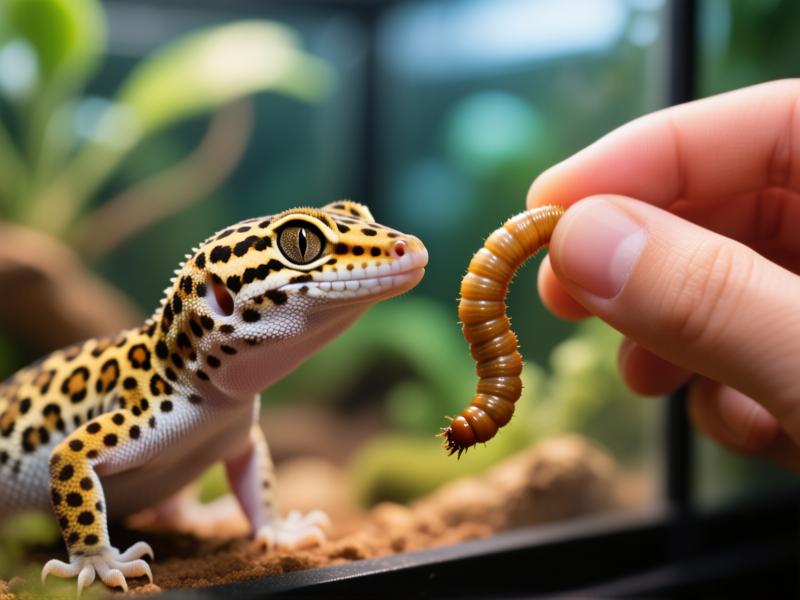
Look, we all love spoiling our pets. That guilty little smile when you give your dog a scrap of bacon? We want that feeling with our leopard geckos, too. Treats are the fast track to that bond. They’re also the fast track to a fat, unhealthy gecko or a pet that suddenly refuses its staple diet. It’s a tightrope. This isn't about being the fun police. It's about being smart. Let’s talk about what’s actually a treat and what’s a ticking time bomb disguised as a snack.
The "Good" Fatty Bugs: Use Sparingly, For the Love of God
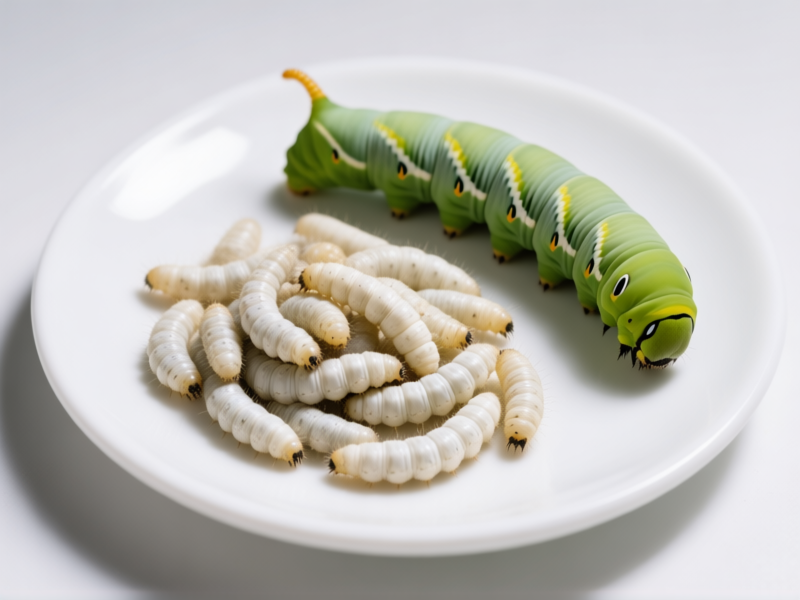
These are your classic "once in a blue moon" feeders. I'm talking waxworms and hornworms. They're like gecko candy. Pure fat (waxworms) or giant water balloons (hornworms). Fantastic for putting weight on a sick gecko or bribing a stubborn one to eat. But here's the thing: they’re addictive. Your gecko will learn what they are and might hold out for them, giving you the cold shoulder for their boring old crickets. They’re also not nutritionally complete. Feeding them weekly is a recipe for obesity and fatty liver disease. Seriously. Once a month, tops. Think of them as a rich dessert, not a side dish.
The "Never-Ever" List: Bugs That Bite Back
This isn’t a matter of moderation. This is a hard stop. Never, ever feed insects you catch outside. They could be covered in pesticides, parasites, or who-knows-what. Specific no-go’s from the pet store? Avoid anything that glows, stinks, or fights back. Fireflies are literally toxic. Wild beetles and ants can bite. And don’t even think about feeding them ladybugs or lightning bugs. Stick to the commercially bred stuff. It’s boring, but it’s safe. The goal is a treat, not an emergency vet visit.
The Fruit Debate: Spoiler Alert, They Can't Eat It
I see this question all the time: "Can my gecko have a little piece of banana?" The short, definitive answer? No. Leopard geckos are insectivores. Their guts are not designed to process sugars, fiber, or the acids in fruit. It doesn’t matter how cute it looks. Feeding fruit can lead to serious digestive issues, from impaction to nasty diarrhoea. They get all their hydration and nutrients from their gut-loaded insects. A chunk of mango isn’t a treat. It’s an internal mess waiting to happen. Save the fruit salad for yourself.
How to Actually Do It: The Treat Protocol
Keep it simple. Stick to the safe, fatty insects mentioned. Offer one as a reward after a handling session, or to mix things up once every 3-4 weeks. Always gut-load your treat insects just like your staples. The real pro move? Use treats to encourage natural hunting behavior. Dangle that hornworm with tweezers and let your gecko chase it. Makes the experience more enriching for them. And always, always monitor their body condition. If their tail starts looking like a overstuffed sausage, you’ve gone too far. That’s it. No grand finale. Just stop. Go spoil your gecko responsibly.