The Ultimate Substrate Guide: 5 Safe Options and 3 to Avoid for Leopard Geckos
The Substrate Choice Is a Much Bigger Deal Than You Think
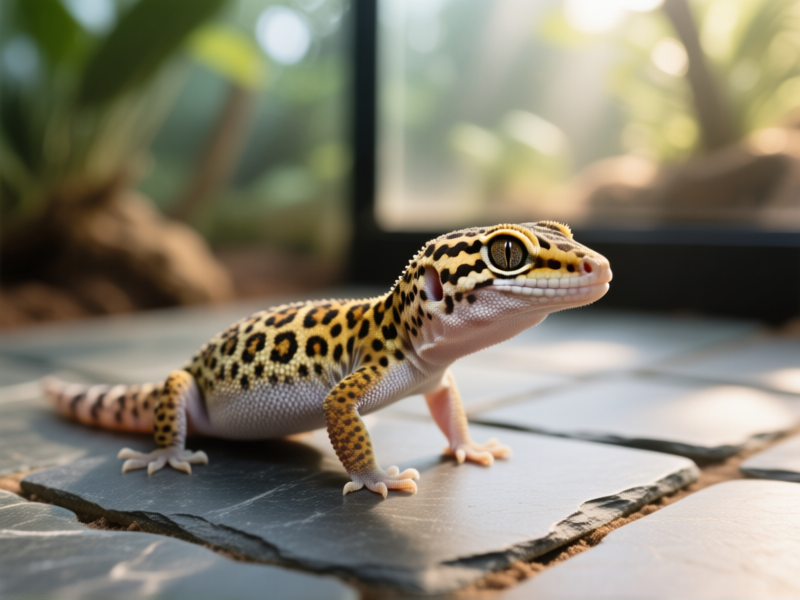
Let's get real about your gecko's floor. It's not just decoration. It's where they hunt, sleep, and yeah, do their business. Pick the wrong stuff, and you're inviting a world of digestive blockages, respiratory infections, or nasty skin issues. It's the foundation. And a shaky foundation means a stressed pet. Here's the breakdown of what works, what stinks, and why.
The Tile Flooring: A Clean Freak's Dream
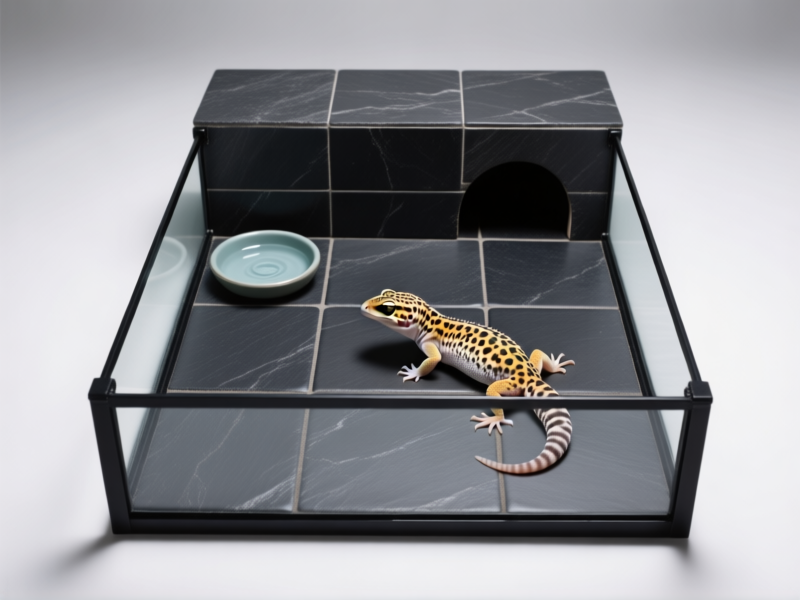
This is my go-to for beginners and easy keepers. Slate, ceramic, or linoleum tiles are a powerhouse. Easy to clean? Absolutely. Wipe it down, done. Helps keep claws trimmed? Check. Retains belly heat beautifully from your under-tank heater? You bet. The only downside? It lacks that natural digging texture some geckos love. But for hygiene and peace of mind, it's tough to beat.
The Paper Towel Classic: Boring but Brilliant
Don't knock it. In a quarantine tank, for a sick gecko, or just while you figure things out, cheap paper towels are a superstar. You see every poop, every weird stain, immediately. It's the ultimate in monitoring and sanitation. It looks about as exciting as a doctor's office, sure. But sometimes you need function over flair. And this is pure function.
The "Dig Box" Compromise: Best of Both Worlds
Here's a pro move for you. Keep the main enclosure on tile or paper. Then, drop in a shallow dish filled with a safe loose mix. This "dig box" is a game-changer. It gives your gecko a safe, controlled area to satisfy that natural digging instinct. No risk of them eating a mouthful of bad stuff from their main living space. Think of it as a sandbox. For a lizard. Works like a charm.
The Naturalistic Route: Soil & Sand Mix (Done RIGHT)
Now we're getting fancy. A well-mixed, soil-based substrate can be incredible. We're talking organic, fertilizer-free topsoil mixed with washed playsand (like a 70/30 mix). It holds burrows, looks stunning, and allows for natural behaviors. Here's the critical part: your husbandry must be ON POINT. This isn't for a starter setup with inconsistent temperatures or humidity. It's for the keeper who's dialed everything in and wants to level up.
The Bioactive Shortcut: Pre-Mixed Bliss
Don't have the time or confidence to mix your own dirt? Fair. Several companies make excellent, ready-to-use arid bioactive substrates. Brands like Terra Sahara from The Bio Dude or the Arcadia Arid EarthMix. These are pre-screened, pre-blended, and designed to work with a clean-up crew (isopods, springtails). It's the plug-and-play version of the naturalistic setup. More expensive, but a huge time-saver.
AVOID THIS: The Reptile Carpet Trap
I hate this stuff. It looks fine out of the box, but it's a bacteria hotel. Waste soaks right in, and you can't truly sanitize it. Ever. Tiny claws and teeth get snagged on the loose threads. It's a hygiene nightmare and an injury risk waiting to happen. Seriously. Just don't. Throw it out.
AVOID THIS: Pure Sand. Just Stop.
Calcium sand, silica sand, "reptile" sand... if the bag is just 100% fine sand, put it back. In a dry environment, it's like setting a bowl of loose sugar in front of a kid with a sweet tooth. Geckos lick their environment. They will eat it. It will clump inside them (impaction), and they will die. It's not a matter of "if," but "when." This is the number one substrate killer.
AVOID THIS: Cedar & Pine Shavings (The Silent Killer)
This should be obvious, but you still see it in pet stores. The aromatic oils in cedar and pine are toxic to reptiles. They cause severe, irreversible respiratory and liver damage. It's poison. If anyone tells you to use it for your leopard gecko, they are giving you dangerously wrong information. Full stop.