The Truth About Pinky Mice: Should You Feed Them to Your Leopard Gecko?
So, Somebody Told You Pinky Mice Are a Good Idea?
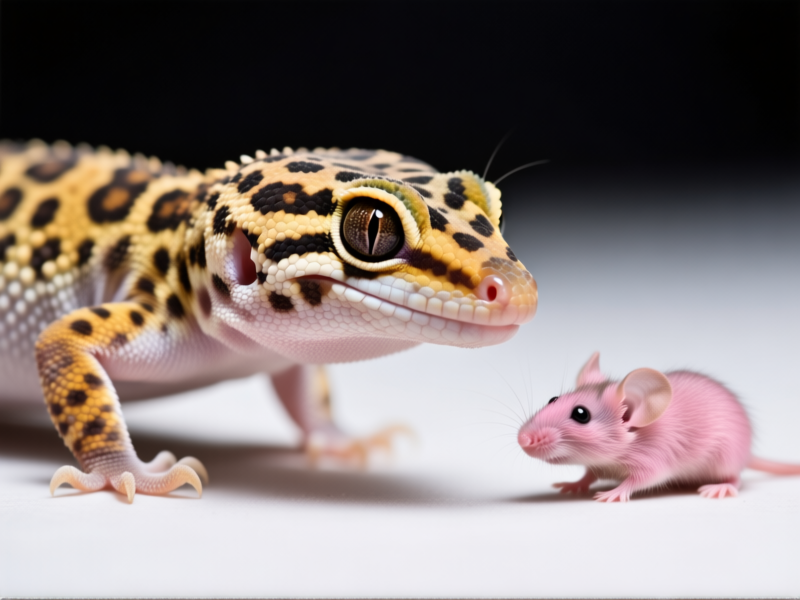
Look, I get it. You want the best for your leopard gecko. Maybe you heard pinky mice will "bulk them up" or are a "natural" treat. The pet store guy might have mentioned it. Here's the thing: that advice is about as useful as a screen door on a submarine. Let's cut through the noise and talk about what's really going on. Your gecko's health depends on it.
What Exactly IS a Pinky Mouse, Anyway?
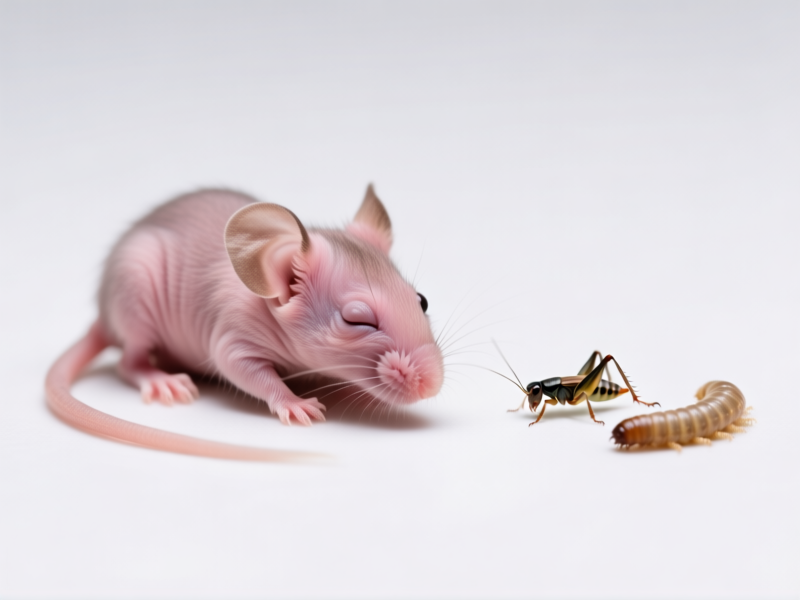
It's not a tiny adult mouse. A pinky is a newborn, usually just a day old. Eyes closed, no fur, barely mobile. They're basically little sacks of fat and protein. And I mean *little*. For a human? It's a protein shot. For a leopard gecko? We're talking about a massive, dense meal. Think of it like you eating an entire porterhouse steak in one sitting. Every. Single. Time.
The High-Fat Trap: Why This is a Recipe for Trouble
This is the big one. The core risk. Pinky mice are incredibly high in fat. Leopard geckos are not built to process that level of fat regularly. Their systems in the wild are tuned for insects. Feed them this fatty rodent buffet too often, and you're looking at a direct path to fatty liver disease. It's a real, serious condition. We're talking about lethargy, loss of appetite, and a shortened lifespan. Not cool. The "bulk" you see is often just unhealthy fat storage, not strong muscle.
Better, Safer Swaps for a Thriving Gecko
Forget the pinkies. Your gecko's menu should look like a bug buffet. A *varied* bug buffet. Think gut-loaded crickets (that means you feed the crickets well first), dubia roaches, black soldier fly larvae, and the occasional treat like a waxworm. These provide the right protein-to-fat ratio. They offer essential nutrients without overloading your gecko's system. Variety isn't just the spice of life; it's the foundation of good reptile nutrition.
The Verdict: So, Should You Ever Feed One?
Maybe. As a very, *very* rare emergency calorie boost for a critically underweight gecko under a vet's guidance? Sure. As an occasional treat for a breeding female who needs extra resources? Possibly, with extreme caution. But as a staple diet? Absolutely not. The risks massively outweigh the benefits. Your goal isn't a chunky gecko. It's a lean, active, alert hunter who lives a long life. That comes from good insects, good supplements, and good judgment.