The Cost of Feeding: A Monthly Budget Breakdown for One Leopard Gecko
Stop Guessing. Here's What a Leopard Gecko Really Eats.
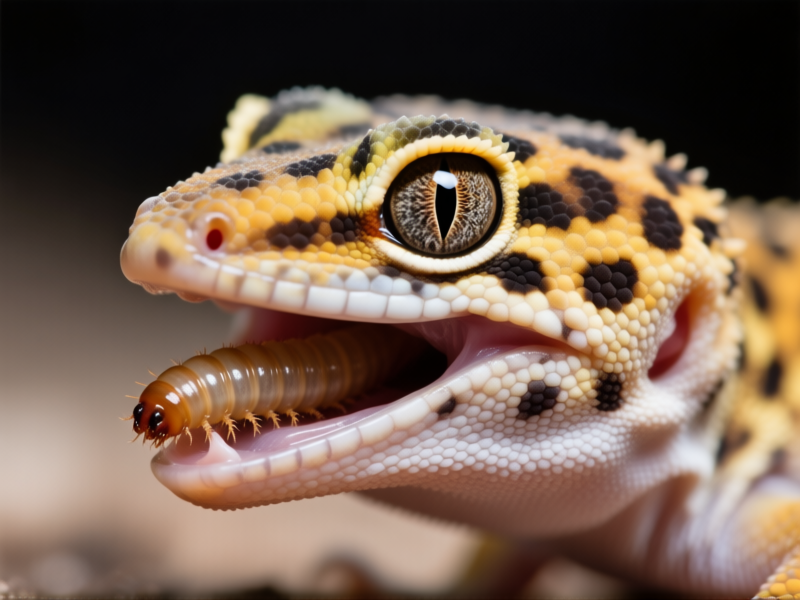
Let's get this out of the way: they're not vegans. A leopard gecko's diet is 100% live insects. No fruit salad, no leafy greens. Their grocery list is short but specific: crickets, mealworms, dubia roaches, and the occasional waxworm as a fatty treat. It sounds simple. But the cost? That's where things get interesting. Forget the price of the gecko itself. The real commitment is the weekly bug run.
The Two Paths: Pet Store Panic vs. Online Bulk Ordering

You have two main options. The first is the classic pet store dash. You grab a tiny tub of two dozen crickets for like, eight bucks. It's convenient. It's also the most expensive way to feed your gecko on the planet. The crickets are often half-dead, and you're back in three days. The second path? Buying in bulk online. It sounds intense. But it's the secret to actually saving money. You buy 500 crickets or 1,000 mealworms at once for less than the cost of 10 of those little tubs.
Let's Talk Actual Numbers (The Part You Scrolled For)
Okay, brass tacks. For one adult leopard gecko (feeding every other day), you're looking at 10-15 insects per feeding. Let's do the math with the smart, bulk method. A cup of 500 medium crickets from a reputable online supplier might cost you $15-$20. Throw in another $10 for a container of 1,000 mealworms. Your gecko won't eat 1,500 bugs in a month. Not even close. That bulk order will likely last you 2-3 months. So, your monthly feeder cost? It shakes out to roughly $8 to $12 . Seriously. Compare that to the pet store panic method, which can easily hit $30-$40 a month. The choice is pretty clear.
The Hidden Costs (They're Not Just Bugs)
But wait. The bug price tag isn't the whole story. You need to "gut-load" them (feeding your feeders nutritious food so your gecko gets the nutrients). That's a bag of cheap veggie scraps and commercial gut-load food. Call it $5 every few months. Then there's supplementation: calcium powder (with and without vitamin D3). These are non-negotiable for bone health. A container lasts forever, but let's budget $2 a month for it. So add another $3-$4 to that monthly total. Suddenly our $10 month is more like $15. Still a screaming deal for a pet.
Your Game Plan for a Fed (and Budget-Friendly) Gecko
Here's your action plan. Find a good online insect vendor. Order a mix of crickets and mealworms. Get a simple plastic tub to keep them in with some egg cartons and food. Dust the bugs with calcium before you feed. That's it. The upfront cost of starting this system is maybe $50. It feels like a lot. But within two months, you've saved more than you spent. Your gecko gets consistent, healthy food. You stop making emergency trips to the pet shop. And your wallet gets to keep a few extra crickets in its pocket every month.