The Complete Guide to Leopard Gecko Hydration: Do They Need a Water Bowl?
Yes, They Absolutely Need Water. But How They Get It is the Real Question.
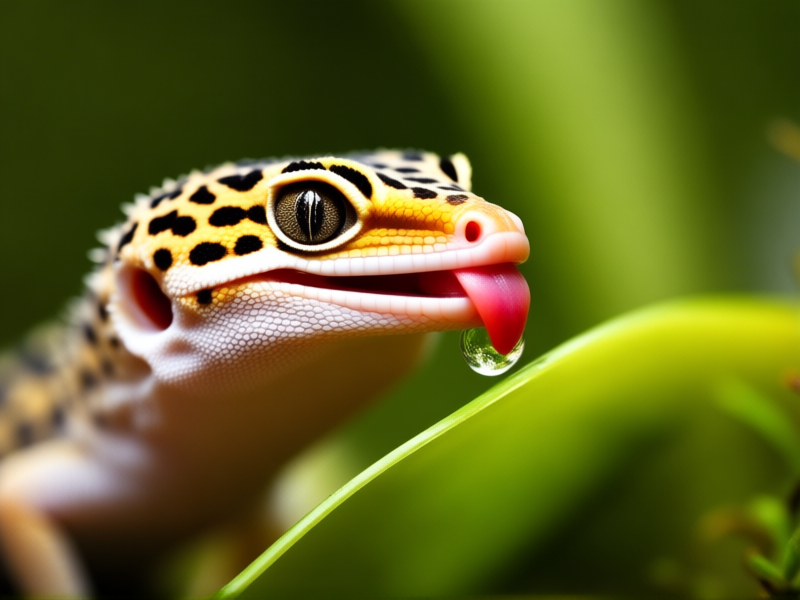
Let's cut right to it. Your leopard gecko needs water to survive. Just like you and me. This isn't some weird desert mystic who gets hydration from moonbeams. Dehydration is a fast track to serious health problems, like impaction and kidney failure. So forget the silly "do they even drink water?" debate. Of course they do. The real mystery is the *how*. And that's where things get interesting for us reptile folks.
The Great Water Dish Debate: To Bowl or Not to Bowl?
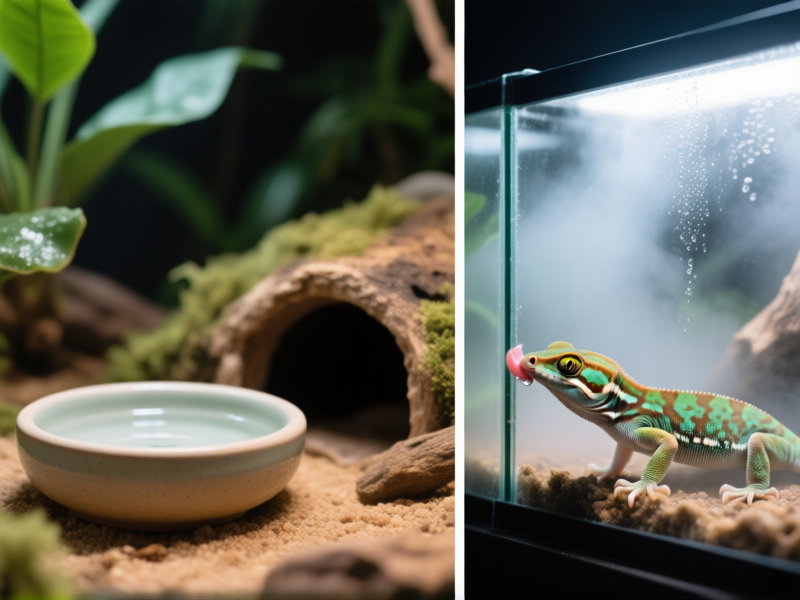
Here's the thing. The classic water bowl is the default. It's simple. You put it in, you fill it, you change it. Done. Many geckos will use it, especially at night. But "many" isn't "all." And in the wild, guess what a flat, open puddle is? A giant neon sign for predators. Some geckos just have a deep-seated instinct that says "Nope, that's bait." So if you never see your gecko at the bowl, don't panic. You just need to speak their language.
How Your Gecko *Really* Wants to Drink (Think Like a Bug)
Actually, their preferred method isn't a bowl at all. In their native rocky, arid habitats, they drink from dew and rain droplets collected on surfaces. Rock faces. Leaves. Their own snout. This is key. Your gecko is hardwired to lick water *off* of things. You'll often see them licking the glass after you mist, or going to town on a wet hide. This behavior is the Rosetta Stone for reptile hydration. It’s not that they’re refusing to drink. They're waiting for their drink to be served the way nature intended.
Your Non-Negotiable Nightly Routine: The Misting Bottle
This is your secret weapon. A light evening misting of the enclosure walls and decor does two things. One, it spikes the humidity for their shed. Two, and more importantly for us right now, it creates those beautiful, lickable droplets. Watch your gecko after you mist. Chances are, they'll come out and start lapping it up. It stimulates their natural drinking behavior better than a still bowl of water ever could. Think of it as serving a fine whisky on the rocks versus leaving an open bottle in the kitchen.
Setting Up a Water Bowl That Actually Works (If You Use One)
Okay, so you want a bowl anyway. Maybe as a backup, or your gecko is one of the chill ones that uses it. Cool. But do it right. Use a shallow, tip-proof ceramic dish. Heavy is good. Clean it and refill it with fresh water *every single day*. Stagnant water is a bacteria party. Place it on the cooler side of the tank so the water doesn't evaporate quickly and create a sauna. And keep an eye out. If the water level is dropping, great. If it's just collecting dust and substrate, your gecko is telling you it's not their primary source.
Red Flags: How to Spot a Dehydrated Gecko
Look, stuff happens. You go on vacation, the pet sitter forgets to mist. Whatever. Know the signs. Sunken eyes are the biggest one. Their eyes should look plump and bright. If they look shriveled or dull, sound the alarms. Stuck shed, especially around the toes and eyes, is a classic hydration issue. Skin that doesn't bounce back when gently pinched (think of it like a slow-motion skin tent) is a late-stage sign. See any of this? Increase misting immediately, and consider a vet visit. Prevention is infinitely easier than the cure.