The Cheap vs. Expensive Hide Debate: DIY Options That Work Just as Well
Let's Get Real About Hide Prices
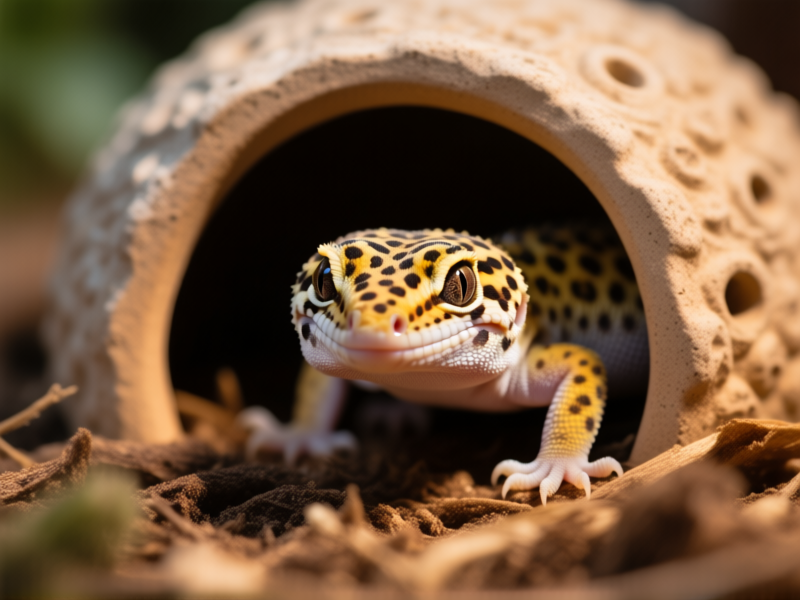
So you're looking at reptile hides online. You see the fancy $40 "designer" caves and then you see... a cardboard box. Your wallet flinches. Here's the thing. Your gecko doesn't care about brand names or aesthetic mineral blends. They care about three things: darkness, a snug fit, and security. Full stop. The expensive hide wins on durability and looks. But if it fails on the snug-and-dark test, it's a fancy paperweight. Let's talk about options that don't require a loan.
Your Recycling Bin is a Goldmine
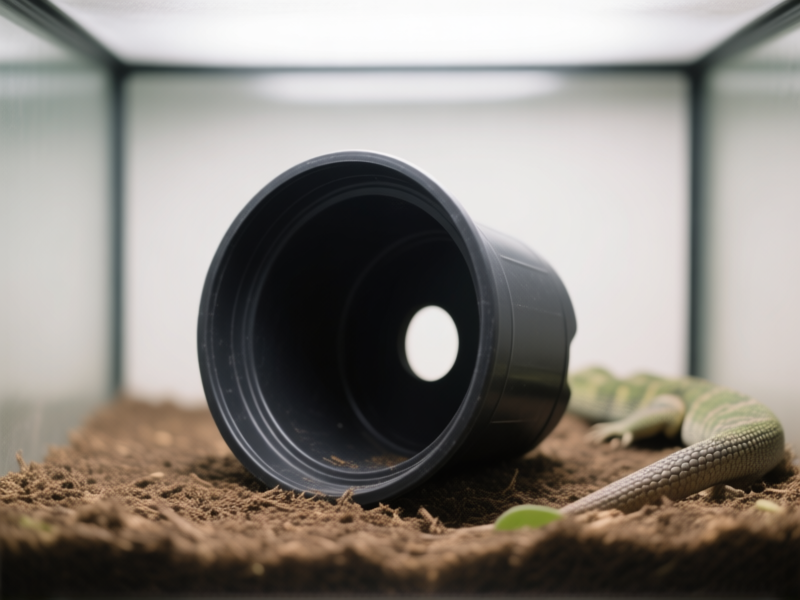
I'm serious. Look in there right now. That sturdy takeout container? Rinse it, dry it, cut a smooth-edged entrance hole, boom—humid hide. A washed-out yogurt cup? Perfect tiny cave for a juvenile. The humble toilet paper roll is a classic tunnel. They're cheap. Actually, they're free. The catch? They're not forever. Cardboard gets soggy, plastic can get scratched. But for a temporary setup or testing a hide's location? Unbeatable. Your gecko gets a safe space, you save cash, everyone wins.
The Terracotta Pot: An Undisputed Champion
This is the DIY king. For about two bucks, you get a hide that's naturally breathable (great for humidity control), sturdy, and has that perfect, naturalistic look. Just get a small one, use a file to smooth out the drainage hole into a proper entrance, and lay it on its side. You can even bury it partway for a "burrow" feel. It's heavy enough not to get shoved around. It's easy to clean. It looks a hundred times better than a yogurt cup. This isn't a compromise. This is a legit fantastic choice.
Getting Creative with "Found" Objects
Walk through a craft store or a garden center. Your brain will start rewiring. That chunk of cork bark? Hollow it out a bit. Slate tiles stacked carefully? Instant cool cave. A simple, sanded piece of untreated wood can create a low canopy. The goal is to think like a gecko: "Is it dark in there? Can I squeeze in tight?" You're not just building a hide. You're engineering a feeling of safety. And that doesn't need a price tag.
The One Rule That Trumps Everything
No sharp edges. Ever. Whatever you use—plastic, ceramic, clay—you must sand or file that entrance until it's completely smooth. Run your finger over it. If it feels even slightly rough or jagged, keep going. A gecko's skin is delicate. A tiny cut can become a big problem. This is the non-negotiable tax on your DIY project. A few minutes with some sandpaper saves a world of hurt. Do it right, and your cheap, clever hide is better than any overpriced rock in a pet store.