The $100 Starter Kit: Building a Budget-Friendly Leopard Gecko Habitat
The Lie About Starter Kits & The $100 Truth
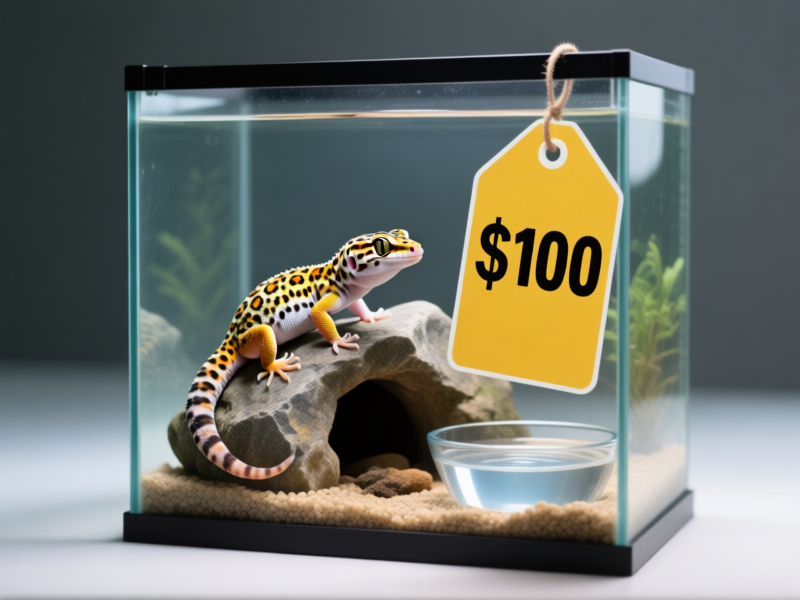
Look, walk into any big-box pet store and they'll try to sell you a "complete leopard gecko kit" for $200. It's a trap. Half that stuff is useless or, worse, dangerous. You don't need to spend a fortune to give your scaly buddy an awesome home. Actually, you can do it right for about a hundred bucks. I'm talking about the essentials—the non-negotiables that keep your gecko alive and thriving. The fluff can come later. Here's how to build a solid, budget-friendly palace without the corporate markup.
Score the Tank: Your Biggest Win
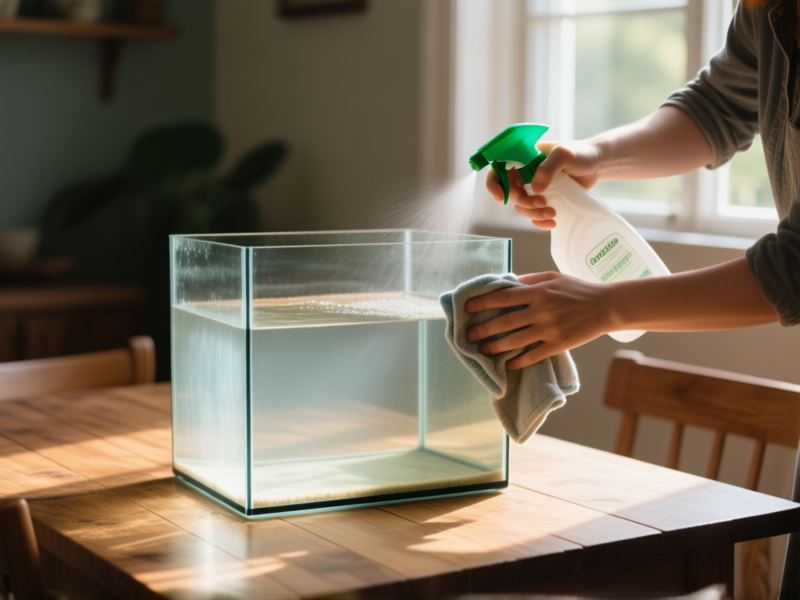
The enclosure is your biggest expense. But "new" is a sucker's game. For a single leopard gecko, a 10-gallon tank is the bare minimum, but a 20-gallon long is the gold standard for space. Your mission? Check Facebook Marketplace, Craigslist, or local reptile groups. People are always getting out of the hobby. I've seen 20-gallon tanks go for $20. Yes, really. Give it a good scrub with a vinegar solution. Boom. You just saved 60-80% right there. That's your budget victory.
Heat & Hide: Non-Negotiable Number One
Leopard geckos are solar-powered. Kinda. They need a warm spot to digest their food. You don't need a fancy $50 bulb kit. Here's the budget secret: an under-tank heater (UTH) and a thermostat. The UTH goes under one side of the tank. The thermostat plugs into the wall, and the UTH plugs into *it*. This little $25 gadget stops you from cooking your gecko. It's the most important purchase you'll make. Pair it with a simple, enclosed hide placed directly over the warm spot. A $5 plastic food container with a hole cut in the side works perfectly. They want to feel snug and secure. Not fancy.
Decor on a Dime: Get Creative
This is where you can have fun and save cash. They need a second hide on the cool side of the tank. Another plastic container. You need a water dish. A small ceramic ramekin from the kitchen section costs a buck. For climbing? Go outside. Find a cool, twisty branch. Bake it in the oven at 250°F for an hour to sterilize it. Free décor. Avoid the overpriced, brightly-colored calcium sand at all costs—it's a gut impaction nightmare waiting to happen.
The Substrate Shake-Up
Forget the bagged "reptile carpet." It looks okay but it's a bacteria factory and their tiny claws get stuck. For a brand-new baby gecko or any gecko on a budget, the absolute best substrate is... paper towel. Seriously. It's cheap, sterile, and super easy to spot-clean. You can monitor their health at a glance. Later, if you want to upgrade to a more natural-looking dirt mix, you can. But starting out? Paper towel is brilliant, safe, and costs pennies.
Your Shopping List (Without the Guesswork)
Let's break it down so you know it's possible. Hunt for the tank used ($20). New under-tank heater ($15). Thermostat ($25—DO NOT SKIP). Two simple hides ($10). Water dish ($2). Paper towel roll ($3). Digital thermometer/hygrometer ($12). A branch from the yard (free). A food dish (a bottle cap works). That's about $87. It leaves you a little wiggle room for sales tax or a nicer piece of slate for the warm hide. See? A hundred bucks gets you the safe, functional core. Everything else is just icing on the cake for later. Now you're ready—without the debt or the junk.