Shedding Problems: How to Help a Leopard Gecko With Stuck Shed on Toes and Eyes
Your Gecko's Shed Isn't Just Cosmetic—It's an Emergency
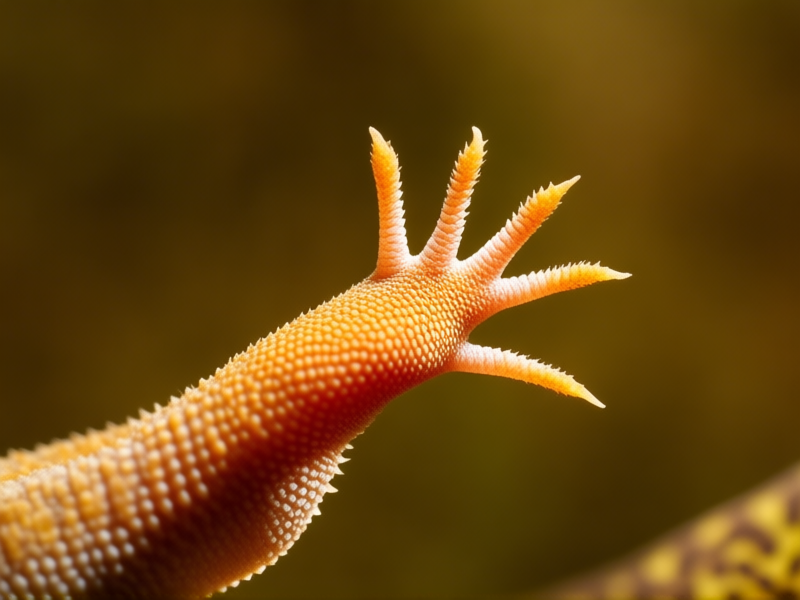
Look, we've all seen those perfect shed skins in movies. One neat piece, peeled off like a tiny jumpsuit. Reality? It's messier. For your leopard gecko, shedding (or ecdysis, if you want to be fancy) is a full-body renovation. New skin underneath, old skin on top. Usually, humidity and a few good rubs against a rock do the trick. But sometimes, the old stuff gets stuck. On the toes. Around the eyes. And that's not a "wait and see" problem. Stuck shed on toes cuts off circulation—think of a rubber band getting tighter every day. That's a fast track to lost toes. Around the eyes? It can literally glue them shut, leading to infection or worse. This isn't about looks. It's about function. And you're the function-fixer.
Why the Shed Got Stuck in the First Place (Spoiler: It's Usually Us)
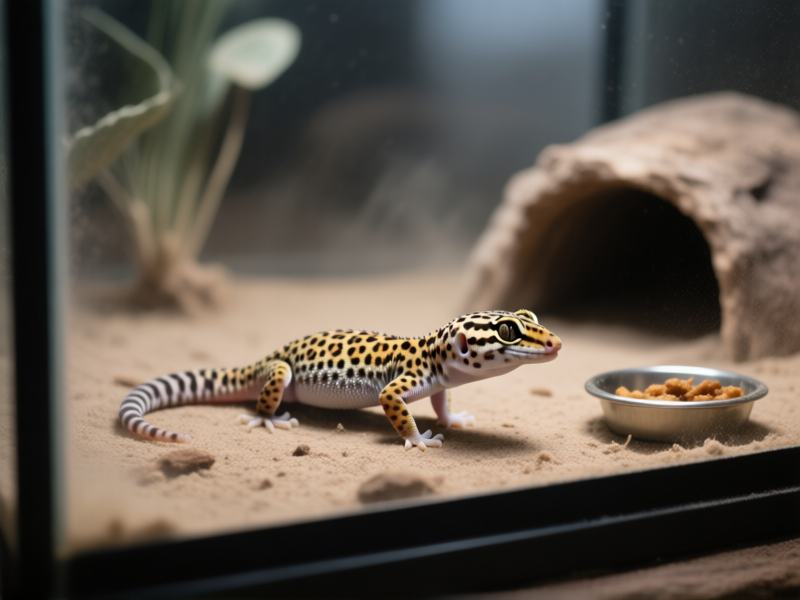
Here's the thing. Leopard geckos are desert-adjacent, not desert-baked. Big difference. In the wild, they'd find a humid hide—a damp burrow, a cool spot under a rock—to chill in when it's time to shed. Our tanks often don't have that. The #1 cause of stuck shed is low humidity. If your tank's humidity gauge is constantly reading in the 30s or lower, you've found the culprit. Other reasons? Poor overall health or nutritional deficiencies (specifically Vitamin A, which is key for skin and eye health). But honestly, 9 times out of 10, it's that missing humid microclimate. Your gecko needs a sauna session, and you forgot to build the sauna.
Step 1: Build the Perfect Gecko Sauna (The Humid Hide)
This is non-negotiable. You need a dedicated humid hide on the warm side of the tank, 24/7/365. It's stupid easy. Take a plastic container (like an old deli cup). Cut a hole just big enough for your gecko to get in and out. Fill it with damp (not dripping wet) sphagnum moss or paper towels. Replace the moisture every couple days. That's it. This gives your gecko a private, humid retreat whenever it needs to soften up that old skin. Prevention isn't just better than a cure—it's way less stressful for both of you.
The "Shed Aid" Soak: Your Go-To Fix for Stuck Bits
Okay, the shed is already stuck. Don't panic. Don't you dare start picking or pulling. You'll rip the new, tender skin right off. Instead, we soak. Grab a shallow tupperware or a clean sink. Fill it with lukewarm water—wrist-test warm, not hot. Just deep enough to cover the gecko's feet and belly. Let them sit for 10-15 minutes. You can add a *tiny* drop of reptile-safe shedding aid or even plain Pedialyte to the water. This rehydrates and softens that stubborn skin. Supervise them. They might not love it, but it works.
Gently Working Off Stubborn Shed (The Q-Tip Method)
After the soak, the real work begins. Gently pat your gecko dry. Get a cotton swab (Q-tip). Moisten it with the same warm water or shed aid solution. Now, with the *gentlest* pressure imaginable, try to roll the softened shed off the toe. Not pull. Roll. Think of it like rolling a sock off your foot. For the eyes, never, ever press on the eyeball. Just moisten the crusty bits around the lid and let them sit. Often, after a soak, they'll rub it off themselves on a towel. If it doesn't come off easily after a soak, stop. Soak again later. Patience beats force every single time.
When to Throw in the Towel and Call the Vet
Sometimes, the shed is just too tough, too tight, or in too sensitive a spot. If you've done multiple soaks over a couple days and that toe shed is still a constricting ring, stop. If the eye is sealed and won't open after gentle hydration, stop. This is vet territory. A reptile vet can safely remove it, often while the gecko is under a mild sedative. They can also check for underlying issues like that Vitamin A deficiency. There's no shame in calling for backup. In fact, it's the smart move. Your job is first aid, not surgery.