Setting Up a Handling Schedule: How Often Should You Interact With Your New Gecko?
The Truth About Gecko "Cuddles": Setting the Right Expectations
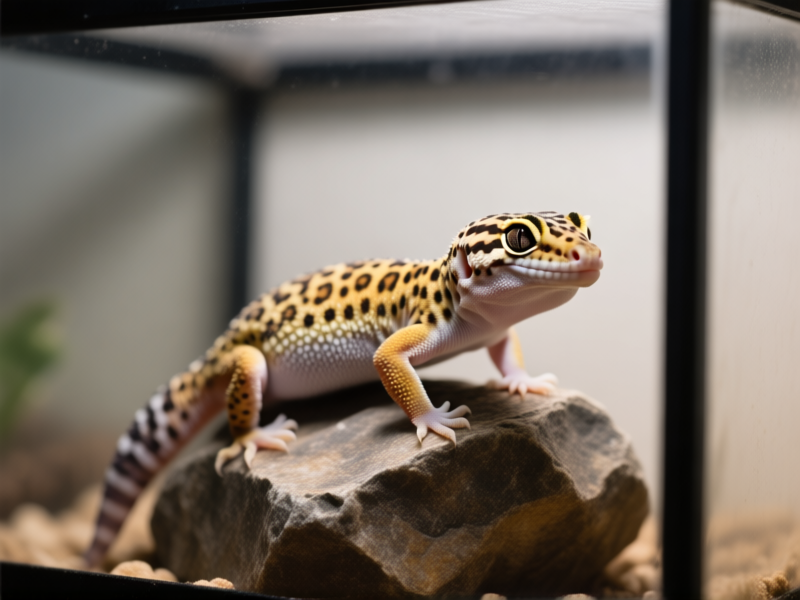
Listen, I get it. You've got this amazing new creature with its big, liquid eyes and soft-looking skin. You want to bond. To hang out. To maybe even show them off on your shoulder. Here's the hard truth you need to get comfortable with first: your gecko will never be a cuddly puppy. Thinking that way will set you both up for stress. They are solitary, prey-adapted animals. For them, interaction with a giant, warm, five-fingered predator (that's you) is a serious business. So let's reframe the goal. It's not about "cuddling." It's about building predictable, stress-free familiarity and trust. That's our win.
The First 10 Days: The "Just Leave Me Alone" Protocol
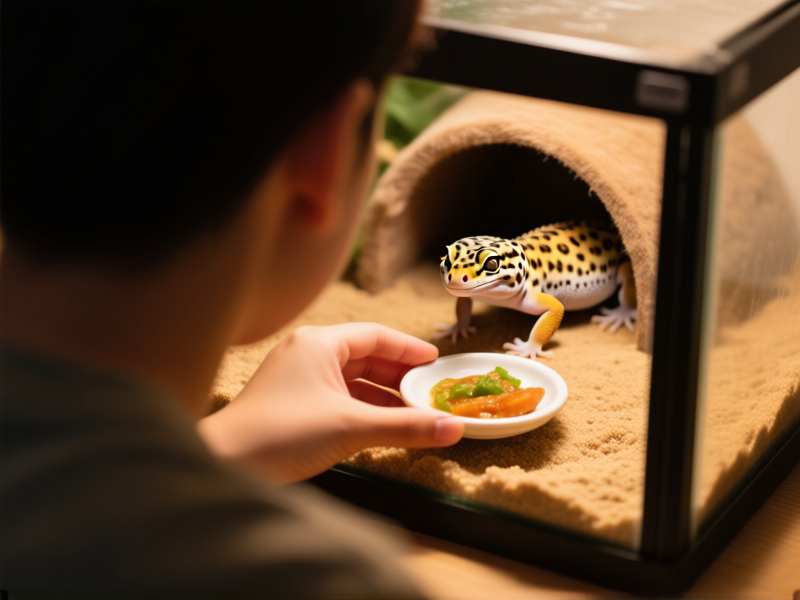
The moment they enter their new home, your entire job is to be a ghost. A benevolent, food-bringing ghost. No handling. None. Let me say that again for the folks in the back: NO HANDLING. Your gecko is drowning in new smells, sights, and sounds. They need to learn their tank is safe. Your routine — turning lights on/off, being in the room — is part of that. The most interaction they get is you quietly changing their water and maybe tong-feeding a tasty waxworm to start a positive association. This isn't cruel. It's the single best thing you can do for a future chill gecko. Seriously. Hands off.
First Touch: The 5-Minute Rule and Reading the Room
After that crucial settling-in period, we try a test. Not a playdate. A test. Pick a quiet time, wash your hands (no weird smells), and slowly place your flat hand in the tank near them. Don't grab. Let them investigate. This might take days. When you finally scoop them up, do it from below, supporting their whole belly and legs. Go slow. Here's the golden rule: five minutes maximum . And I mean it. End on a positive note, before they start trying to dart away or show stress. Once a day, every 2-3 days, is PLENTY at this stage. You're not looking for fun. You're teaching them that the giant hand is predictable, safe, and short-lived.
Spotting the "Nope" Signals: When to Back Off Immediately
Your gecko talks with its body. Loudly. Ignoring this is a fast track to a terrified, bitey pet. If they hiss, squeak, or tail-rattle (a fast, vibrating buzz), that's a full-stop "back off now" signal. Don't try to "calm them down" by holding them. You're just confirming their fear. More subtle signs include frantic climbing, frantic digging, or freezing completely rigid. If you see any of this during a session, the session is over. Gently put them back. It's not a failure. It's you listening. Forcing interaction teaches them one thing: you are scary. And we don't want that.
The Long-Term Rhythm: Finding Your Gecko's Groove
Most settled, well-adjusted adult leopard geckos do just fine with handling 2-3 times a week for 10-15 minutes. Some super-chill ones might be okay with a bit more. Others will always prefer less. Watch them. Are they walking calmly? Exploring? Maybe even dozing in your hoodie's warmth? Good. Are they constantly looking for an escape route or stiff as a board? That's your cue to scale it back. This isn't a rigid training schedule. It's a relationship. Some days they'll be up for it, some days they won't. Respecting that is what actually builds the trust you're after.
The Final Goal: A Chill, Confident Companion
So, how often should you handle your new gecko? Start with never. Then move to "rarely and briefly." Then find a gentle rhythm that they tolerate well. The goal isn't a party trick. It's a lizard that doesn't panic during essential tank cleanings or vet visits. It's an animal that is calm and secure in its world — a world you are a safe, predictable part of. That's the real win. A pet you can enjoy without the stress, for their entire long, healthy life.