Seasonal Behavior Changes: Why Your Gecko Eats Less in Winter (Brumation Explained)
So, Your Gecko is Acting Like a Grumpy Teenager Lately?
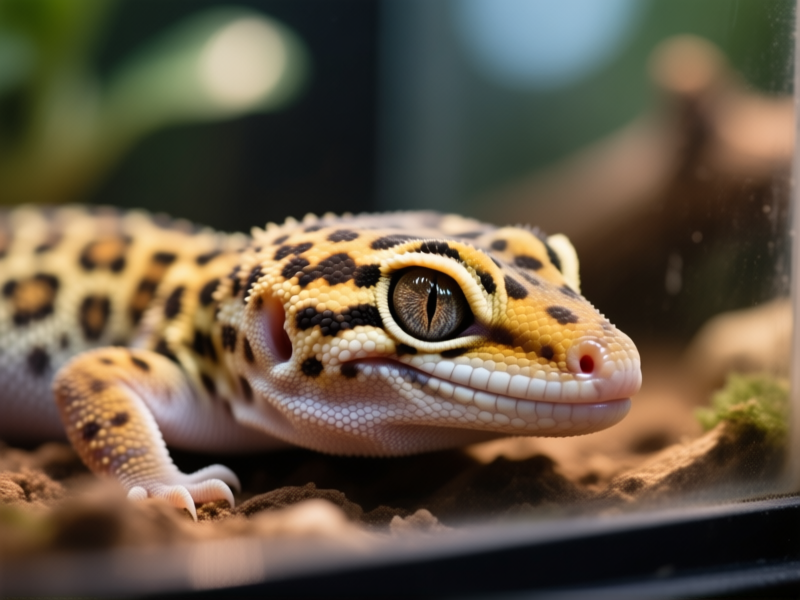
You put the food in the bowl like normal. The usual feeding-time zoomies? Gone. Your normally curious pal is just... lounging. Maybe in a hide. Or just looking at you like you're the most boring thing on the planet. Before you panic, take a breath. Your gecko isn't giving you the cold shoulder on purpose. Actually, it's probably just following an ancient, hardwired program. Welcome to the weird and wonderful world of brumation.
Brumation vs. Hibernation: It’s Not Just a Word Game
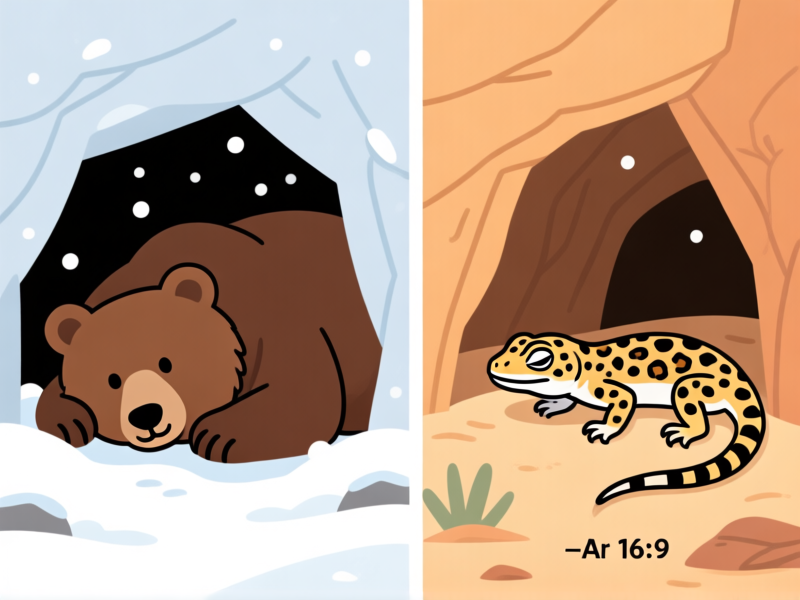
First things first. Brumation sounds a lot like hibernation. And yeah, it's kinda the reptile version. But it's not the same. A hibernating mammal is out cold. Their metabolism crashes, their body temp plummets. A brumating reptile? Different story. They're in a state of deep rest. They're sluggish. They might not eat for weeks. But they’re still alert. They’ll move for water. They might even change spots. Their systems just slow way, way down. They're essentially power-saving mode.
Why on Earth Would They Do This?
Here's the thing. In their native habitats—those arid, rocky areas of Afghanistan, Pakistan, India—winters get cold. Food (think insects) becomes scarce. It's an evolutionary survival tactic. Why waste energy hunting for food that isn't there? Better to dial everything back and ride it out. Your home isn't a Pakistani desert. But your gecko's internal clock doesn't know that. Shorter days. Slight temperature dips from a window. It's often enough to trigger the instinct. It's not a sign of a bad setup. It just means your pet is, biologically, very healthy and in tune with rhythms you can't even perceive.
Sick vs. Slowing Down: How to Spot the Dangerous Difference
This is the real kicker. Brumation looks a lot like being sick. And that’s why owners freak out. You need to be a detective. Did the lack of appetite come with a sudden, drastic weight loss? A brumating gecko has a nice, fat tail in reserve. A sick gecko's tail will shrink fast. Are the eyes clear, or are they sunken and dull? Is there any mucus around the nose or mouth? Is it pooping normally before the slowdown? Brumation is a planned fast. Illness is a system failure. Knowing the difference is everything. When in doubt, the vet is your first call, not a forum.
Your Job During the Big Snooze (It's Mostly Just Watching)
Don't try to "snap them out of it." That's stressful and pointless. Your role is support. Keep a shallow water dish available always. They *will* drink. Maybe offer a single, small feeder insect every 2-3 weeks—if they take it, great. If not, remove it. Don't let live prey stress them out. Keep the environment calm. No major tank changes. Just let them be. Monitor their weight every week or two with a digital gram scale. A slight drop is normal. A nosedive is a red flag.
Waking Up is the Weird Part (For You)
One day, you'll peek in and they'll just be... more *there*. Maybe peeking out. A few days later, they might take a small meal. Don't offer a feast right away. Their gut bacteria needs to ramp back up. Start with smaller, more frequent meals. It can take a few weeks for their appetite to come back fully. It’s a slow, gradual return to normal life. Be patient. They just ran a biological marathon in their sleep.