Recognizing Signs of Boredom and How to Add Novelty to Your Gecko's Environment
Is Your Gecko Just Lazy, or Actually Bored?
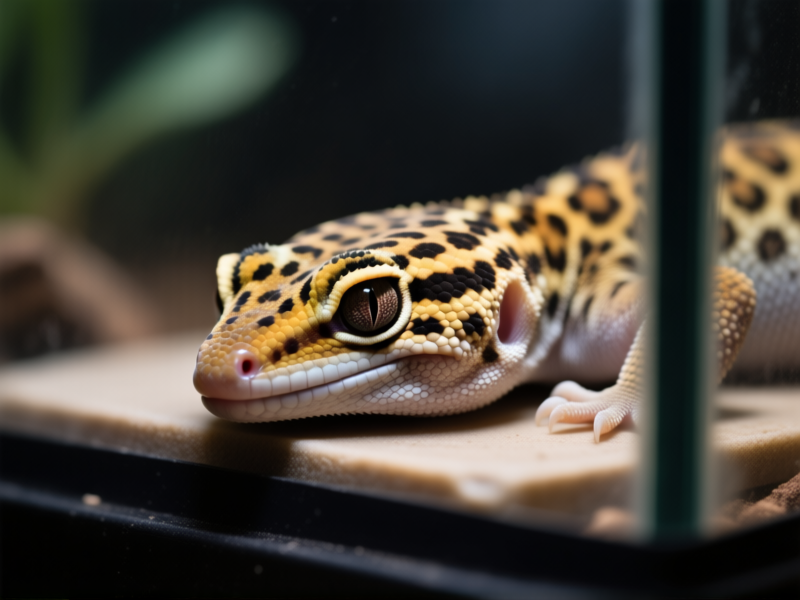
Okay, let's be real. Leopard geckos aren't exactly known for their high-wire acts. But there's a difference between a natural daytime nap and genuine, soul-crushing boredom. A bored gecko isn't just chilling. It's under-stimulated. Think of it like you, stuck in a white room with nothing to do. You'd start pacing too. Or just give up and stare at the wall. Your gecko does the same things. It might pace the front glass incessantly. It might dig in the same corner for hours with no real purpose. It might just sit in one spot, barely moving, for days on end. You know that "I give up" vibe? Yeah, reptiles get it too.
The Tank is a Stage. Time to Change the Scenery.
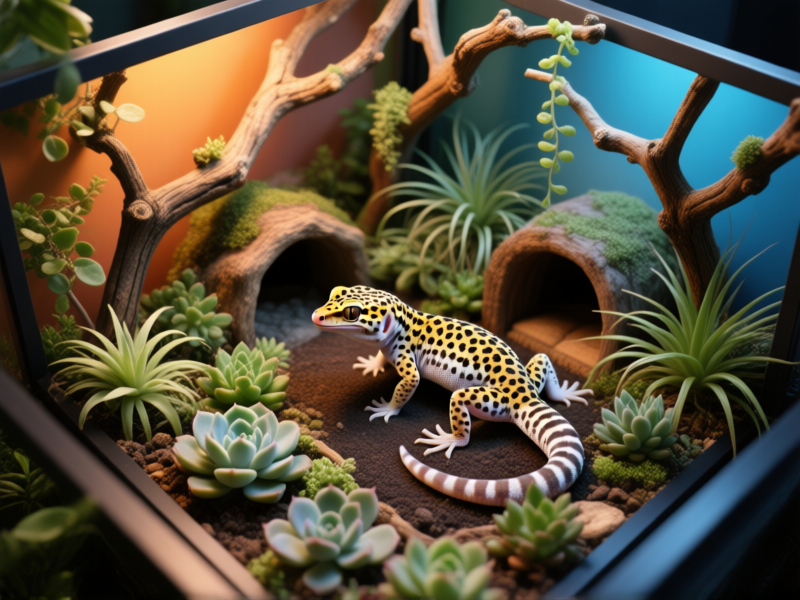
Here's the thing about your average gecko cage: it's predictable. They map it out in their little reptile brains in about a week. Left hide, right hide, water bowl. Done. Novelty isn't just a nice-to-have; it's brain food. You don't need a whole new tank every month. Just move stuff. Seriously. Swap the placement of two hides. Turn that piece of cork bark on its side. Put the food dish in a different spot. It forces them to re-explore. To re-assess. It's a tiny, safe adventure. A little mental "huh, that's new." It costs you nothing but two minutes of your time. Do it every time you clean. They'll notice.
Forget the Hamster Wheel. Think Clutter.
One big, empty space is boring. A complex landscape is a playground. Clutter is your best friend. I'm not talking about your old socks. I mean creating a dense, interesting floor and wall space. Flat pieces of slate for basking and belly heat. Cork bark rounds to tunnel under. Sphagnum moss to dig in. Fake (or safe live) plants to brush against and hide behind. The goal is to break up the sight lines and create little micro-environments. A moist hide here, a warm flat rock there, a shady leaf pile over yonder. It gives them choices. It lets them engage with their world on a physical level, not just stare at it from a hide entrance.
Dinner Should Be an Event, Not a Delivery.
Dropping a pile of mealworms in a dish is like getting a bland nutrient paste through a tube. It's efficient. It's also dead boring. Engage their brains by engaging their instincts. They are predators. Tiny, cute, sit-and-wait predators, but predators nonetheless. Scatter feed. Put a few worms or roaches in the leaf litter. Let them hunt. Use a feeding rock with shallow divots instead of a bowl. Try different, safe feeders—black soldier fly larvae, dubia roaches, silkworms. The different movement, the different crunch, it all adds data to their world. Even just tong-feeding occasionally changes the game from "food appears" to "I caught this!" Big difference.
New Stuff. But the Right New Stuff.
You can't remodel the tank every week. But you can introduce a single new item. The key is rotation. Have a small bin of "extra" decor. A different-shaped hide. A new piece of driftwood. A stack of flat stones. A terracotta pot on its side. Put one in for a week or two, then swap it for something else from the bin. It’s constantly "new" without you constantly buying new. They investigate it, climb on it, decide if it's a good nap spot. Then, just as they're getting complacent, it's gone, replaced by last month's interesting log. It keeps that cycle of curiosity alive. Just make sure anything new is safe—no sharp edges, easy to clean, and too heavy for them to tip over.