Recognizing Early Signs of Metabolic Bone Disease (MBD) in Leopard Geckos
Your Gecko's Jaw Shouldn't Feel Like a Squishy Gummy Worm
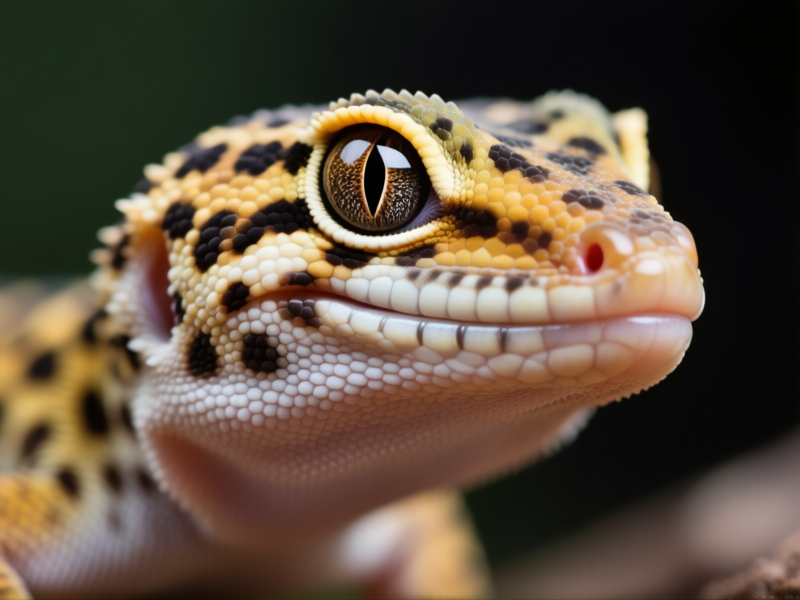
Let's get straight to the point. You're probably here because something feels... off. Your little buddy isn't looking quite right. And you're worried. Good. That instinct matters. Metabolic Bone Disease (MBD) is the reptile equivalent of osteoporosis on fast-forward. It's a big deal. But catching it early? That's the whole game. The first, and I mean the absolute earliest, physical sign people notice? A soft jaw. Pick up your gecko and gently run a finger along the underside of its jaw. It should feel like bone. Firm, unyielding. If it feels spongy, like a soggy french fry or a gummy bear? Stop everything. That's your red flag.
Beyond the Jaw: The Body's SOS Signals
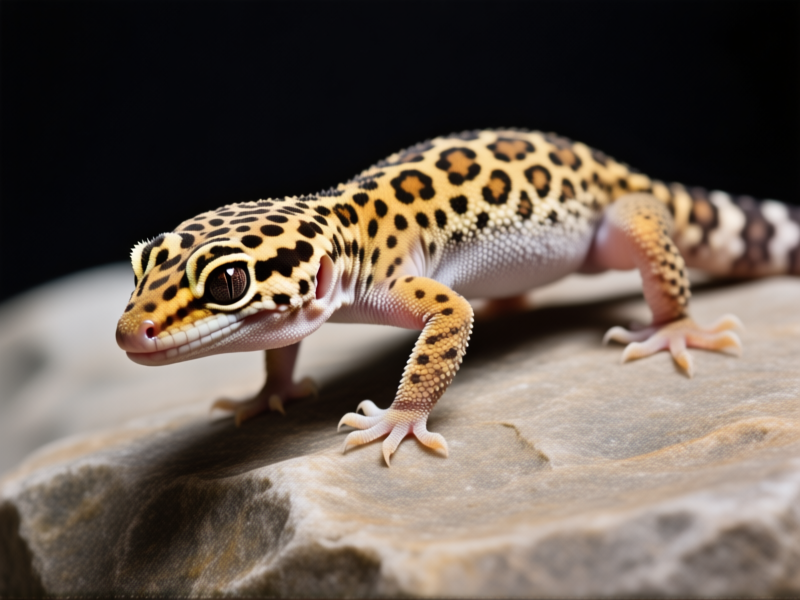
Okay, so the jaw is soft. Or maybe you caught it before that. Here's what else to stalk, I mean, look for. Watch how they move. Are their legs looking a bit bowed? Is their spine slightly kinked or curved? These are classic MBD giveaways. You might see tremors – a slight, constant shiver – when they're trying to hold still. Their tail might look skinny while their body seems okay; that's because pulling calcium from bones to keep basic functions running starts in the tail. It's a resource depot. Seeing them struggle to climb the glass or walk smoothly? That's pain and weakness, not laziness.
They're Not "Chill," They're Hurting: Behavior is a Symptom
This is where a lot of owners get tricked. "Aw, he's just being calm today." No. Reptiles are masters of hiding illness. A sudden drop in activity isn't a new personality trait. It's a billboard. Is your once-food-obsessed beast ignoring crickets? Difficulty chewing from a soft jaw makes eating a chore. Are they spending all their time flat-bellied on the ground, not up on their hides? That's often because lifting their body hurts. Lethargy is never normal. Don't write it off.
Don't Panic. Do This. Right Now.
If any of this is ringing a bell, stop reading. Actually, read this paragraph first, then stop. Your next step is not a deeper Google search. It's not a forum post. It's a call. Pick up the phone and call an exotic vet. A real one, who sees reptiles. Today. MBD is treatable, especially early on, but it requires professional intervention. Corrective care involves specific liquid calcium, proper UVB lighting setups, and diet overhauls. You can't wing this. Your job now is safe transport and expert help. That's it.
Prevention Isn't Sexy, But It's Everything
Look, MBD is almost always a husbandry failure. It's harsh, but true. It means the gecko's environment failed to meet its basic biological needs. The holy trinity? Proper UVB lighting (not just a heat bulb), a constant supply of a phosphorus-free calcium supplement in the tank, and gut-loading feeder insects with nutritious grub. No shortcuts. That little UVB tube is literally how they process calcium. Skipping it is like expecting a human to thrive without vitamin D. You wouldn't do that. Don't do it to them.