Nighttime Heating: How to Keep Your Leopard Gecko Warm Without a Light
Forget The Sun, They Need A Warm Bed
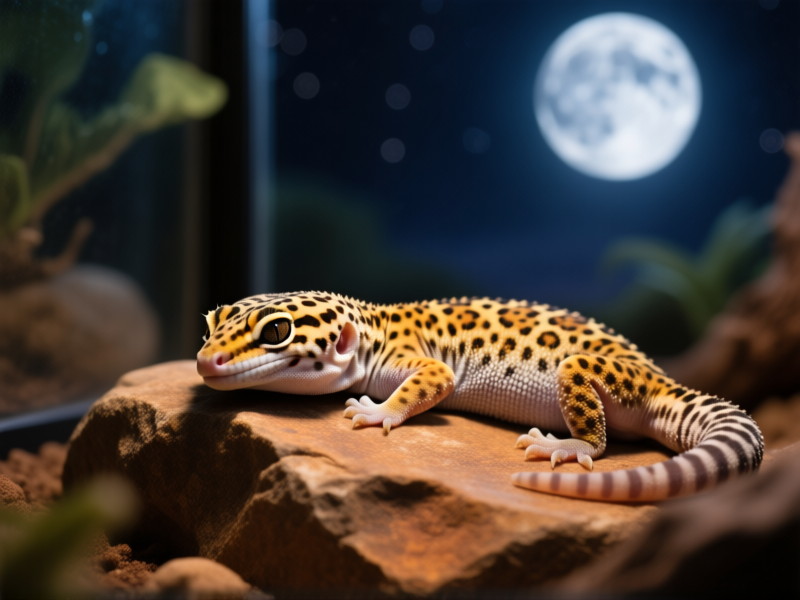
Look, your leo isn't trying to sunbathe at 2 AM. That's not their vibe. They're crepuscular, which is a fancy word for "most active at dawn and dusk." But here's the thing: just because their main light switch is off doesn't mean they stop needing warmth. Their little bodies run on it. In the wild, the ground holds heat long after the sun dips below the horizon. Your job is to mimic that. A proper nighttime heat source prevents digestive issues, keeps their metabolism ticking, and frankly, just lets them chill in comfort. A cold gecko is a stressed gecko. Period.
Why Bright Lights Are a Midnight Disaster
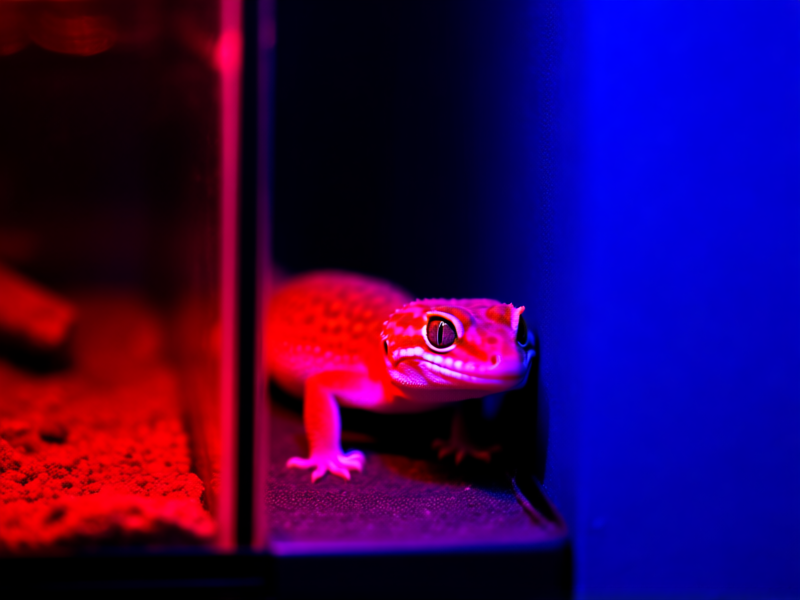
This is where so many new keepers get it wrong. They see a bulb labeled "Night Heat" at the pet store and think, "Perfect!" Actually, it's usually a nightmare. Leopard geckos can still see red and blue light. That "night" bulb isn't a cozy moon. To them, it's a weird, never-ending alien sunset that screws up their entire day/night cycle. It stresses them out, ruins their sleep, and can lead to them hiding all the time. If you can see the light it produces, your gecko can see it even better. And trust me, they hate it.
Your Secret Weapon: The Ceramic Heat Emitter (CHE)
Meet your new best friend. A Ceramic Heat Emitter, or CHE, is the absolute gold standard for leopard gecko night heat. Here's why: it produces zero light. Zilch. It's just a piece of ceramic that gets really, really hot and pumps out lovely, penetrating infrared heat. Think of it like a little space heater for the tank. It gives them the warmth they need without any of the visual pollution that messes with their heads. It's simple, effective, and your gecko will thank you with more natural, confident behavior.
Nailing the Setup: Don't Just Plug It In
You can't just slap that CHE in a fixture and call it a day. That's how you cook your pet or start a fire. Non-negotiable rule: you MUST pair it with a thermostat. This little box of magic is the brain. You set the temperature (we're aiming for a cool side around 70-75°F and a warm hide around 73-78°F at night), plug the CHE into it, and let it work. The thermostat turns the heater on and off to keep things perfectly steady. It's not an extra expense; it's the single most important piece of safety gear you'll ever buy. Get one. Right now.
The Lazy Keeper's Temperature Check
Your house gets colder in winter. Maybe you blast the AC in summer. Your tank temps will drift. So how do you know your setup is actually working? Two words: thermometer gun. One of those little infrared point-and-shoot gadgets. Once a week, give your warm hide floor a zap. Is it in that sweet 73-78°F range at night? Good. Check the cool side. Is it room temp or slightly above? Perfect. This takes 10 seconds and gives you peace of mind that your thermostat-geeked-out CHE is doing its job. No guessing. Just data.