Mealworms vs. Dubia Roaches: Which Staple Feeder is Better for Your Gecko?
Forget the Hype. Let's Talk Real Food For Your Gecko.
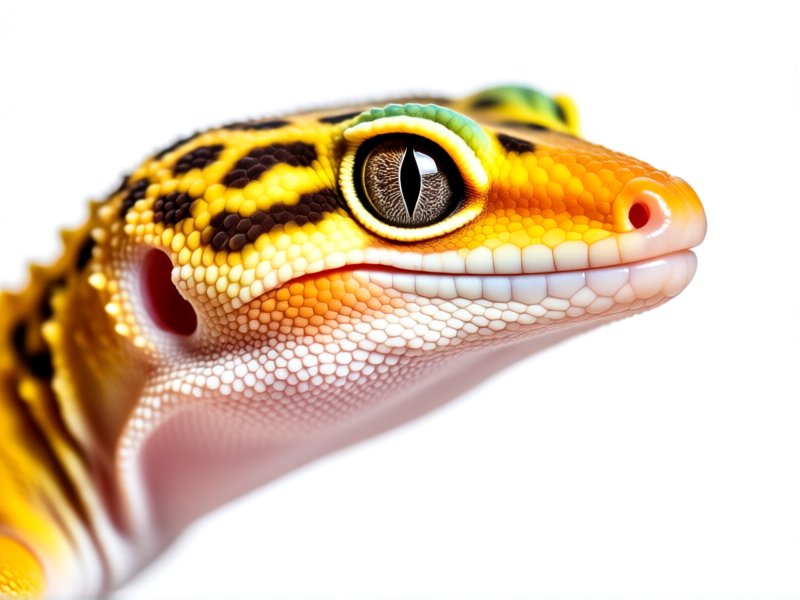
Alright, let's cut through the forum noise. You're staring at two tubs at the pet store: one wriggling with mealworms, the other... well, let's say less active with dubia roaches. Which one should you grab? The answer isn't one-size-fits-all. It depends on your gecko, your gut, and your grocery budget. Let's break it down, no fluff.
The Nutritional Nitty-Gritty
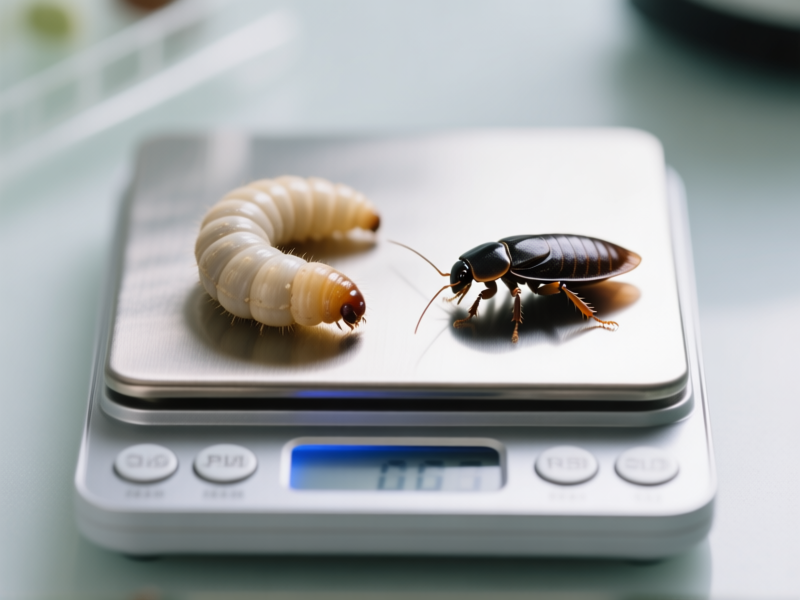
Mealworms are the potato chips of the insect world. They're convenient, popular, and your gecko will probably love them. But they're fatty. And have a tough outer shell (that chitin). Dubias? They're the lean chicken breast. Higher in protein, way lower in fat, and with a better calcium-to-phosphorus ratio *before* you even dust them. This matters. A lot. For growing geckos and breeding females, dubias are often the smarter play. For a laid-back adult, mealworms can work if you're careful.
Digest This: The "Impaction" Fear
Everyone's scared of impaction. It's a real worry. The chitin in a mealworm's shell is harder to break down. If your gecko isn't hydrated enough or your temps are off, those shells can build up. Dubias have a softer exoskeleton. They're just easier on the system. Here's the thing: if your husbandry is perfect—hot spot at 90°F, a moist hide, proper hydration—mealworm risk drops. But why stack the deck against yourself?
Will Your Gecko Actually Eat It?
You can buy the "best" food on planet Earth. If your gecko turns up its nose, it's useless. Mealworms? Usually a slam dunk. They wiggle just enough to trigger that prey drive. Dubias... can be lazy. They might just sit there. Some geckos get it immediately. Others need convincing—try hand-feeding with tongs or offering a freshly molted (white and soft) dubia. Be patient. It's worth the effort.
The Ick Factor & Your Convenience
Let's be real. Roaches freak people out. Dubias can't climb smooth surfaces or fly, but they're still roaches. Mealworms are... less alarming. For storage, mealworms go in the fridge to slow them down. Simple. Dubias need a small bin, some heat, and food. They're a tiny pet colony. More work upfront, but you'll never run out of feeders on a Sunday night. Your call: minimal hassle vs. long-term self-sufficiency.
So, What's the Verdict?
If your priority is bulletproof nutrition and lowering any health risks, dubia roaches win. They're the superior staple. But life isn't perfect. If the ick factor is a deal-breaker, or your gecko is a stubborn old man who only eats mealworms, that's okay. Just make sure you're dusting with a great calcium supplement, keeping that hot spot hot, and maybe mixing in other bugs like crickets or black soldier fly larvae for variety. Don't stress. You're thinking about it, which means you're already a great gecko parent. Now go feed your scaly buddy.