Leopard Gecko Vocalizations: What That Chirp, Bark, or Squeak Really Means
Your Gecko Is Trying to Tell You Something (Seriously)
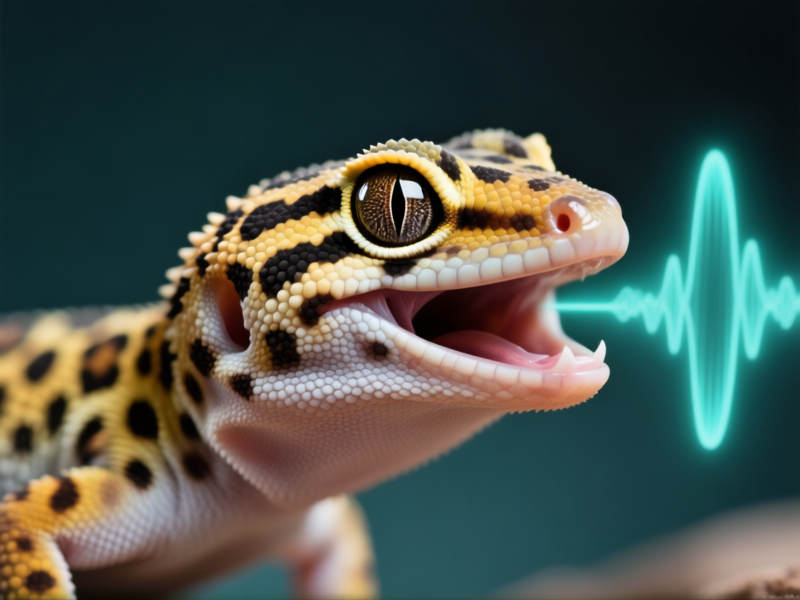
Alright, let's clear something up. When you think of a chatty pet, a leopard gecko isn't exactly the first thing that comes to mind. A parrot? Sure. A dog? Obviously. But a reptile? Most people assume they're the strong, silent type. Here's the kicker: you'd be wrong. They *do* have a voice. It's just a quiet, weird, and often hilarious one. Forget what you've heard about silent tanks. Your gecko is dropping audio clues about their mood and health all the time. And if you're not listening, you're missing half the conversation.
The Happy Chirp: More Than Just Cuteness
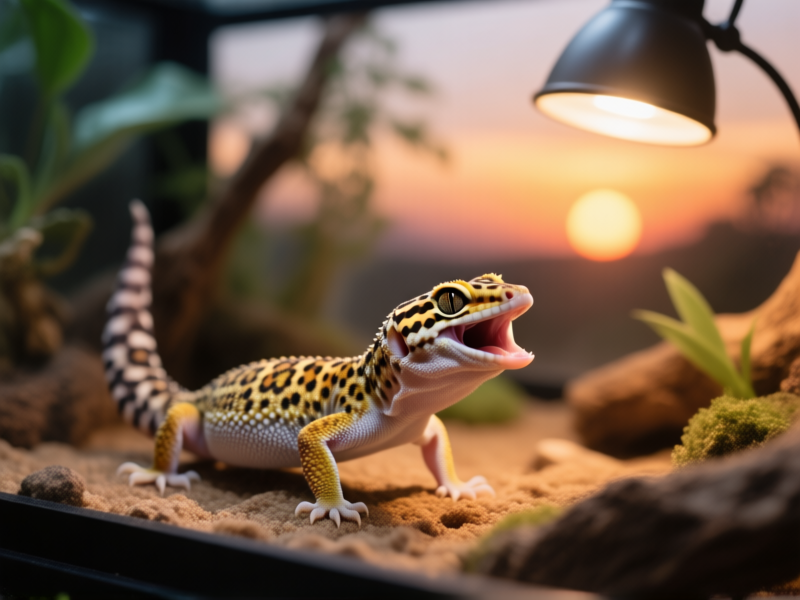
This is the sound that melts hearts. It's a soft, high-pitched "chirp" or "click," sometimes when they're exploring or being handled. It's easy to write this off as just adorable background noise. I used to. But that's the gecko equivalent of a contented hum. It's their "everything is cool" soundtrack. Think of it like a cat purring—it's a sign they're comfortable in their environment and with you. No stress. No drama. Just a little lizard going about its business and feeling good enough to provide its own soundtrack. A welcome break from the drama of, well, their other sounds.
The Defensive Bark: Back Off, Buddy
Now, this one will make you jump. It's a sudden, surprisingly loud "bark" or sharp squeak. It sounds almost like a tiny, angry dog toy. First time I heard it, I thought something in the tank broke. Here's the thing: this is a 100% defensive vocalization. It’s their "I feel threatened and you need to stop what you're doing" alarm. Common triggers? Trying to pick them up when they're not in the mood, a perceived threat (like a giant hand from above), or sometimes a tank mate getting too close. It’s not a sign of a mean gecko—it’s a sign of a scared one. The best response is to just... give them space. Let them chill. Forcing interaction after a bark is a surefire way to shatter trust.
The Distress Squeak: The "I Need Help" Signal
This is the sound you hope you never hear. It’s a repetitive, high-pitched squeaking or squealing. Often accompanied by frantic movement. This isn't a warning bark; this is a panic scream. It means your gecko is in genuine distress or pain. What causes it? Getting a toe caught in décor, a bad shed sticking to their eyes or toes, or a health issue like impaction. It’s heartbreaking. If you hear this, don't just sit there—check them over gently, look for obvious injuries, and assess their habitat for dangers. This is their only way to yell for help, and it's your job to listen.
Beyond the Sounds: The Silent Language
Look, the noises are the headline act, but the body language is the full story. A chirping gecko with relaxed posture and slow blinks? Pure bliss. A barking gecko with a puffed-up body, arched back, and twitchy tail? That's the full defensive package. A silent gecko that's frantically glass surfing or digging? That's stress speaking volumes. The sounds never happen in a vacuum. You've got to read the whole room—or, you know, the whole tank. Connecting the weird noise with the physical posture is how you go from a confused owner to a lizard whisperer. It’s not magic. It’s just paying attention.