Leopard Gecko Feeding Schedule: How Often and How Much to Feed by Age
The Hatchling Hustle: Feed 'Em Like It's Their Job
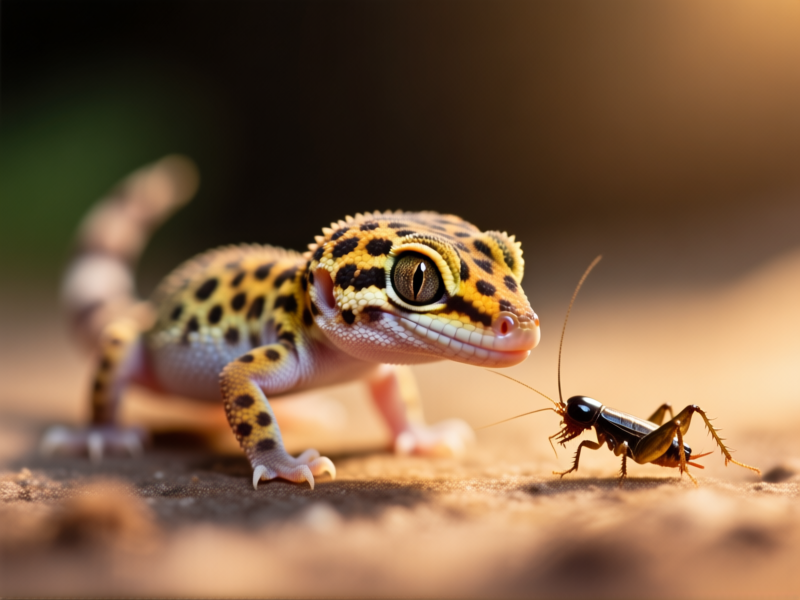
Let's be real: baby geckos are pure, tiny engines of growth. They’re not picky, they’re just hungry. For the first 4-6 months, think daily. Yup, every single day. Skip a day, and you're basically telling that little growth spurt to take a nap. They can’t store fat like the big guys yet, so their fuel tank is microscopic. It’s not about spoiling them; it’s survival.
The Juvenile Jungle: Scaling Back Without Slowing Down
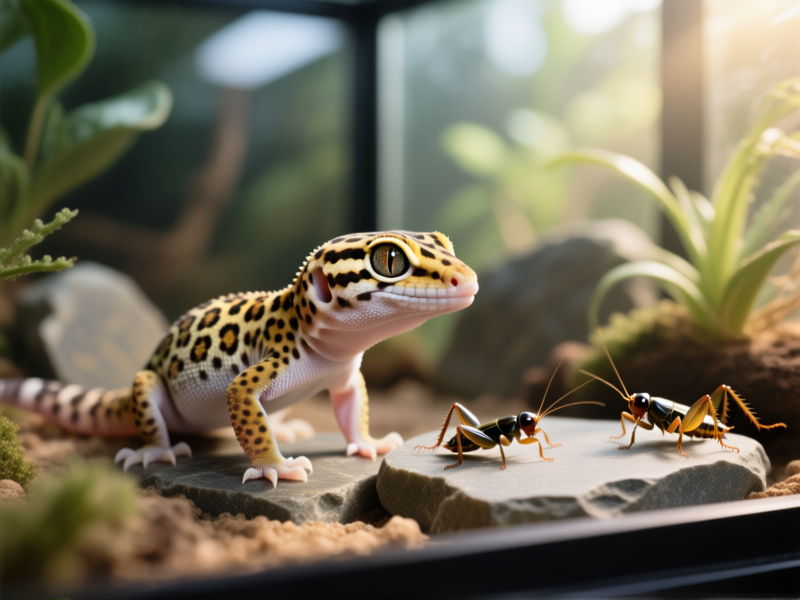
Once they hit that 6-month mark up to about a year, you can breathe a little. They're past the "eat everything immediately" phase. Here’s the new rule: feed them every other day. But don't think you're off the hook. Portion size increases. This is where the "how many crickets" question gets real. For a juvenile? We're talking 6-8 appropriately sized crickets per feeding session. Gut-loaded, dusted with calcium. No shortcuts.
Chill Adult Mode: The Routine That Works (Trust Me)
Your gecko is an adult now, roughly 1 year and up. They've slowed down. Frankly, so should you. Overfeeding an adult is one of the most common mistakes. It leads to a fat, sluggish, unhealthy gecko. So here’s the simple schedule: feed them 2-3 times a week. That's it. And quantity? 3-5 large crickets (or the equivalent in worms) per meal. The goal is to maintain that nice, plump tail (their energy bank), not turn them into a sausage.
Not Just Crickets: Mixing Up The Menu
Hey, you wouldn't want chicken every night, right? Variety isn't just fun; it's good nutrition. Crickets are the staple, the bread and butter. But think of dubia roaches as the premium protein shake. Mealworms? Like fatty nuts—good in moderation. And waxworms are the candy bar. A rare treat. Rotating these helps prevent nutritional gaps and keeps your gecko interested. Seriously, try it.
Red Flags & Quick Fixes (Because Stuff Happens)
So your gecko stopped eating? Panic time? Not yet. First, check the temps. If the hot side isn't 88-92°F, their digestion shuts down. It's like trying to cook a frozen pizza in a cold oven. Second, are you offering a bug that's too big? Intimidation is real. Third, shedding makes them grumpy and uninterested. If all that's fine and a hunger strike lasts more than 10 days, *then* you call the vet. But usually, it's a husbandry hiccup.
You Got This. Seriously.
Look, forget rigid charts and anxiety. Hatchlings: daily. Juveniles: every other day, a bit more. Adults: 2-3 times a week, less is more. Watch their tail, not the calendar. A plump tail means you're doing it right. A skinny tail means feed more. A tail wider than their head? Ease up, buddy. It's that simple. Now go watch your gecko hunt. It’s the best part.