Is Your Gecko Too Skinny? How to Safely Help an Underweight Leopard Gecko Gain
You Can See Their Tail Bones? Time For An Intervention.
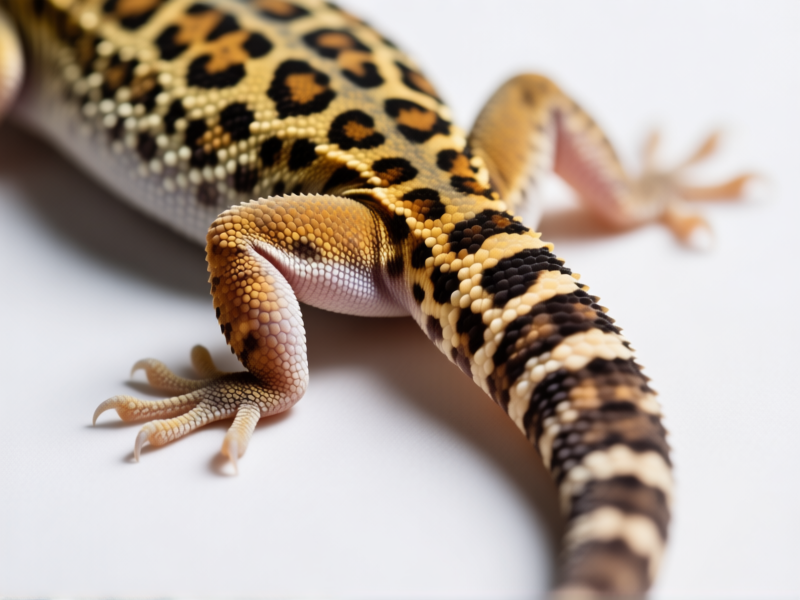
Let's not sugarcoat it. A healthy leopard gecko should look plump. Not obese, but pleasantly filled out. The #1 red flag? Their tail. It's their fat-storage unit. A healthy tail is thick, almost like a caterpillar. If you can see the individual vertebrae poking through the skin along the tail, or if it's looking stringy and skinny? That's a major sign. Your gecko is running on empty. Their hip bones shouldn't be prominent either. If your little buddy is starting to resemble a tiny dinosaur skeleton more than a vibrant pet, you've got a problem to solve.
It's Not Just About "More Food." Figure Out The "Why."
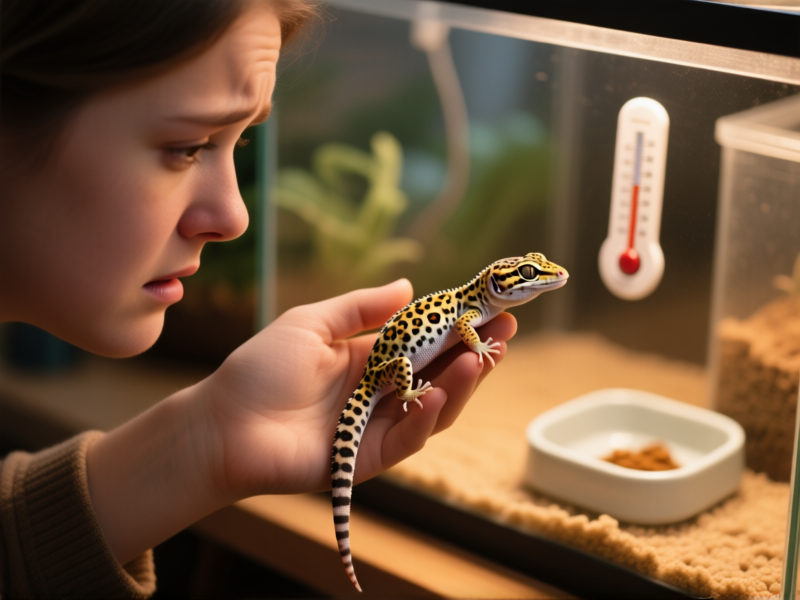
Throwing more crickets in the tank is a knee-jerk reaction. Actually, it might be useless. Here's the thing: being underweight is a symptom. Your job is to be a reptile detective. Is the tank warm enough? They need belly heat (around 90°F/32°C on the warm side) to digest. No heat = no digestion. Are you using the right feeder insects? Are they sick? Parasites are a classic silent weight-killer. Stress from a noisy environment or a bad tank mate can do it, too. Before you start a feeding frenzy, rule out these issues. A vet visit for a fecal check is never a bad idea.
The Weight-Gain Grocery List (Skip the Lettuce)
Okay, health issues are ruled out. Now we fuel up. You need high-fat, high-calorie feeders. Think of them as gecko "mass-gainer" shakes. Waxworms are the classic choice – they're like little fatty sausages. But don't go crazy. They're addictive and not super nutritious long-term. Use them as a supplement. Dubia roaches are fantastic, nutrient-dense staples. The key? Gut-loading. Feed your insects nutrient-packed food (like carrots, sweet potato, commercial bug food) 24 hours before feeding them to your gecko. You're basically fortifying the nutrition. Dust them with a good calcium + D3 powder. Every. Single. Time.
The "Power Feeding" Protocol (No Force-Feeding Required)
Forget the old schedule. A skinny gecko needs more frequent, manageable meals. I'm not talking about dumping 50 crickets in there. That's stressful. Instead, offer a smaller number of premium insects every single day. Maybe 3-4 gut-loaded roaches or 2-3 waxworms. Use feeding tongs. It lets you monitor exactly how much they eat and ensures they're actually catching the food. Watch them eat. Make sure they're striking properly and swallowing. This isn't a passive process anymore. You're an active participant in their rehab.
Track It. Seriously, Get a Notebook.
Hope is not a strategy. You need data. Get a cheap kitchen gram scale. Weigh your gecko once a week. Same day, same time. Write it down. Take a clear photo from above each week. Progress with reptiles is slow. Visually, you might not see it day-to-day. But the scale doesn't lie. Seeing that number creep up is the best motivation. When the tail plumps up nicely and the hip bones disappear, you can slowly shift back to a normal feeding schedule. But keep weighing. Monthly check-ins are good for life.