Introducing a Second Leopard Gecko: Co-habitation Risks and Why It's Not Recommended
Think They’re Lonely? They Really, Really Aren't.
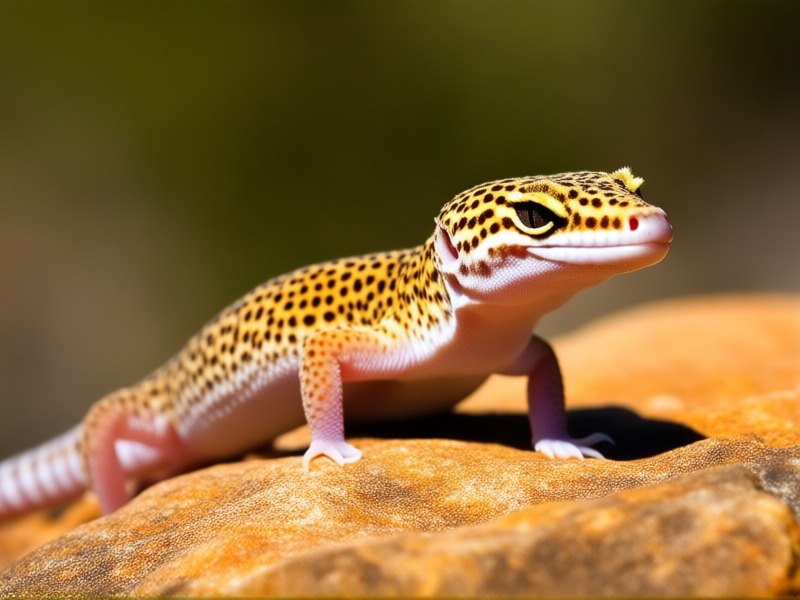
Look, I get it. You love your little gecko buddy. You see it chilling solo in its tank and you think, "Man, they must get bored. Maybe they want a friend." Let's just squash that thought right now. In the wild, leopard geckos are solitary creatures. They don't form bonds. They don't co-parent. They don't have little gecko book clubs. Their ideal social life is "see ya never." Putting two together doesn't satisfy a need for companionship—it creates a problem of territory.
It Starts Subtle, Then It Gets Ugly
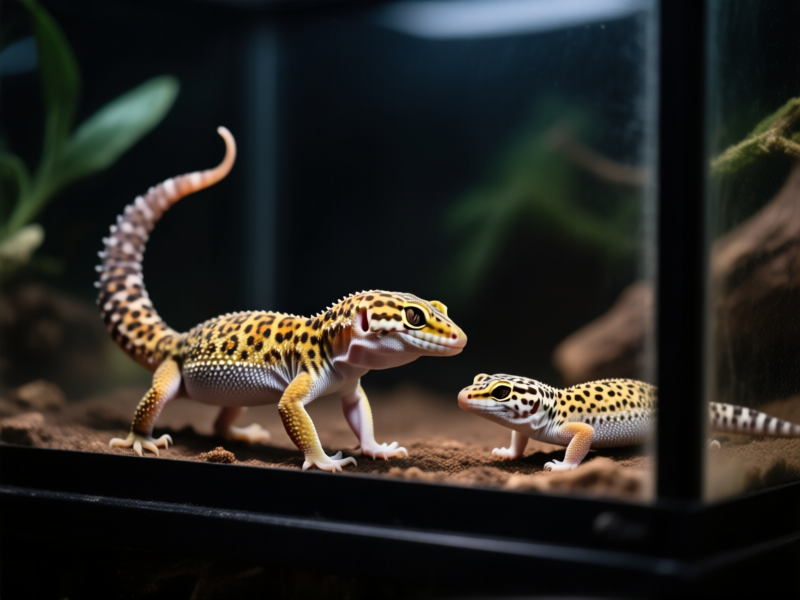
You might not see a full-on brawl on day one. That's the tricky part. The aggression is often quiet. It's one gecko hogging the prime basking spot. It's chasing the other away from the food dish. It's constant, low-level bullying. That stressed-out gecko stops eating. It hides all the time. You might think it's just shy. Actually, it's terrified in its own home. This isn't "establishing a pecking order." It's one animal slowly breaking another.
The Real Danger Isn't Always a Bite
Everyone worries about missing tails and bite wounds. Those are obvious. The silent killer is stress. Chronic stress is a wrecking ball for a reptile's immune system. It leads to respiratory infections, parasites running wild, and fatal conditions like crypto. Even if they're not fighting, the mere presence of another gecko can keep their stress hormones permanently elevated. You're not housing friends. You're creating a biohazard zone for disease.
But What About My Friend Who Does It?
Oh, this one. The "it works for me" defense. Here's the thing: it's survivor bias. You're seeing the cage where, currently, no one has lost a tail yet . You're not seeing the gecko that wasted away behind the scenes. Or the one that got sick and died suddenly "for no reason." It's pure luck. It's Russian roulette with your pet's health. Just because a grenade hasn't gone off in your hand doesn't mean it's safe to hold.
The Better Way: Sibling Rivalry, Without the Rivalry
So you want more geckos? Awesome! Get more tanks. Seriously. The cost of a proper second setup is nothing compared to an emergency vet bill for an infected bite wound. You get to design a whole new world. You can have a "gecko row" on a shelf. They'll never see each other, never stress each other out, and you get double the unique personalities to enjoy. Everyone wins, especially the geckos.