How to Train Your Leopard Gecko to Come When Called (Target Training Basics)
Hold My Beer: Yes, You Can Call Your Gecko
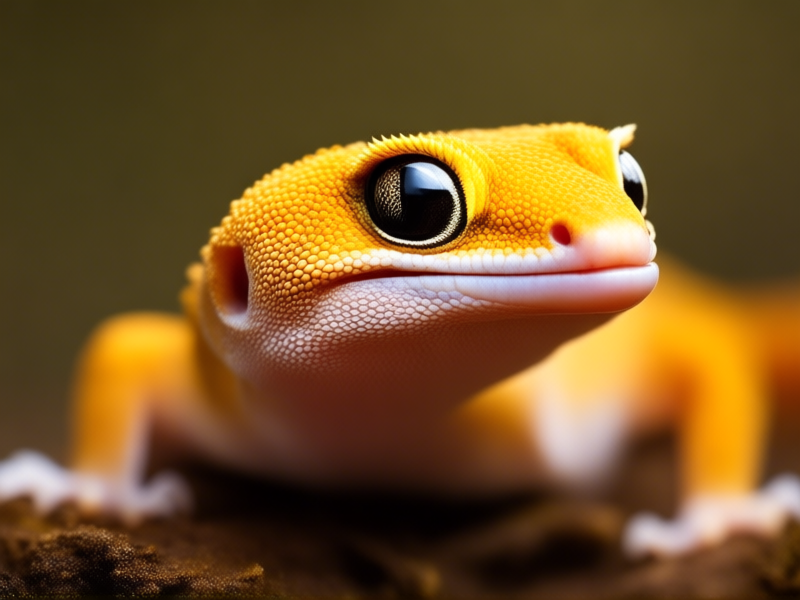
Okay, let's get real. Your leopard gecko is not fetching your slippers. I know, I know. It can feel like they just chill in their warm spot, blissfully unaware of your existence. But here's the mind-blower: they're actually pretty smart. With the right approach, they can absolutely learn to associate you, or more specifically, a signal from you, with good things. We're not talking about complex tricks here. This is basic communication. It's less "Lassie," and more "Hey, you with the tasty snacks, I see you." It's possible. It's rewarding. And it's kind of wild to see.
The Secret Weapon: Forget "Come Here," Think "Target Here"
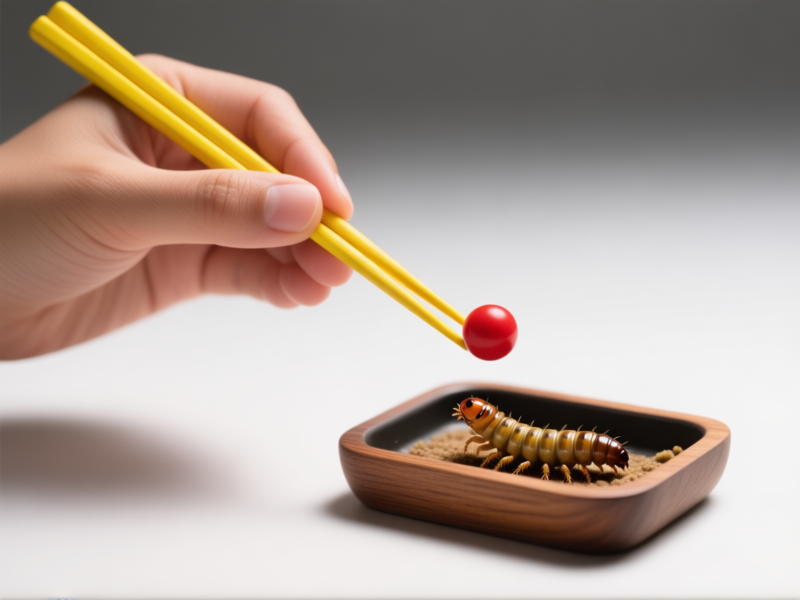
You're going to sound ridiculous calling "Spot, come!" across the room. It won't work. Their world is smell and sight, not sound commands. So we ditch the words and use a visual cue instead. Enter the target stick. This is your magic wand. It can be a chopstick, a pen cap on a stick, anything distinctive. The goal is simple: teach your gecko that "touch the tip of this weird stick with your nose = instant delicious reward." This is target training. It's the single most useful thing you can teach a reptile. It builds trust, gives you a way to guide them without grabbing, and yes, it's the foundation for recall.
Baby Steps to "Touch": Your First Training Session
Cool your jets. This isn't a 60-minute boot camp. Think two minutes. Max. Hungry gecko, quiet room, a bowl of their favorite treats (waxworms, hornworms, something irresistible). Hold the target stick near them, but don't poke them. Just hold it. When they, out of curiosity or accident, bump it with their nose? BOOM. Immediate treat. Like, lightning fast. The connection has to be instant. You'll see the lightbulb moment. Do this a few times. Then, start moving the stick an inch to the side. If they follow and touch, jackpot. That's it. Session over. You want them begging for more next time, not hiding from the stress monster.
From "Touch" to "Come Over Here, Buddy"
So now your gecko gets it. See stick, touch stick, get worm. This is where recall gets built. Place the stick slightly further away, so they have to take a step or two to reach it. Touch = treat. Gradually increase the distance over multiple short sessions. You're not testing their loyalty; you're building a chain of behavior. They learn that moving towards that target, no matter where it is, pays off. You can start doing this when they're out for handling. Place the target on your leg or the couch next to you. They follow it, they get the good stuff. You've just taught them that coming to you is a fantastic idea.
Patience Isn't a Virtue, It's the Rule
Here's the thing that most guides gloss over: some days, your gecko will be a genius. Other days, they'll stare at the target stick like it's an alien artifact and then burrow under their hide. That's normal. It's not stubbornness. It's reptile brain. Maybe they're digesting. Maybe they're too hot. Maybe they just don't care today. Forcing it will wreck all your progress. If they're not into it, abort mission. Try again tomorrow. This process is measured in weeks, not days. The wins are small. The first time they scramble over from across the tank to touch the target? It feels like you just won the Olympics. Because you kind of did.
Why Bother? It's Not About the Trick
This whole thing sounds cute, maybe a little silly. But the real payoff is invisible. It's trust. You're not a giant predator grabbing them from above anymore. You're the predictable giant that makes good things happen when they interact with a specific cue. It reduces stress—for both of you. Handling becomes easier. Vet visits become less terrifying. You get to see a spark of problem-solving intelligence in a creature most people think is just a living paperweight. That connection, that little moment of shared understanding, is the whole point. The fact you can call them over? That's just the awesome party trick.