How to Tame Your Leopard Gecko: A 4-Week Step-by-Step Trust Building Guide
Why Your Gecko Thinks You're a Giant Predator (And How to Change That)
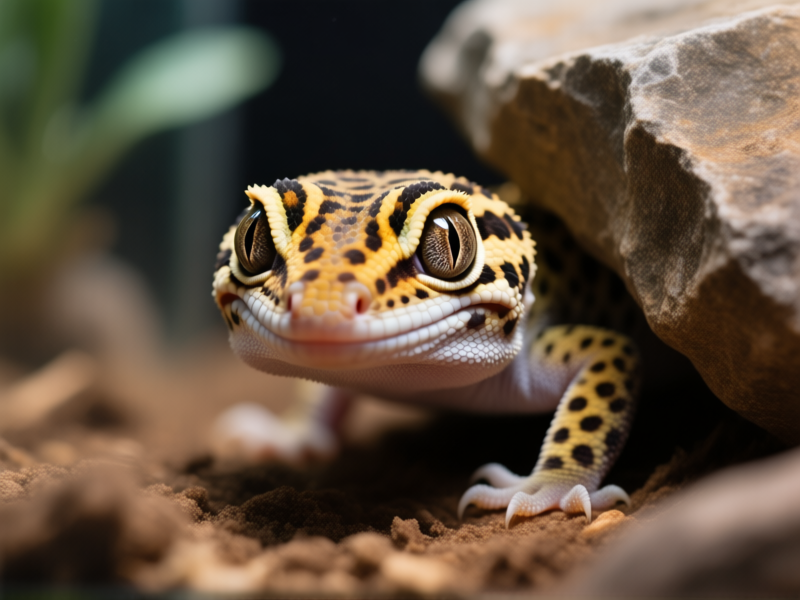
Let's be real. To your leopard gecko, you're not a friendly caretaker. You're a looming, warm-blooded monster that could eat it. That's the mindset we need to flip. Taming isn't about domination; it's about convincing a tiny, cold-blooded brain that you're not a threat. It takes patience. Like, a lot of it. But stick with this plan, and you'll go from scary giant to the bringer of tasty worms.
Week 1: The Silent Observer Phase – Just Be There
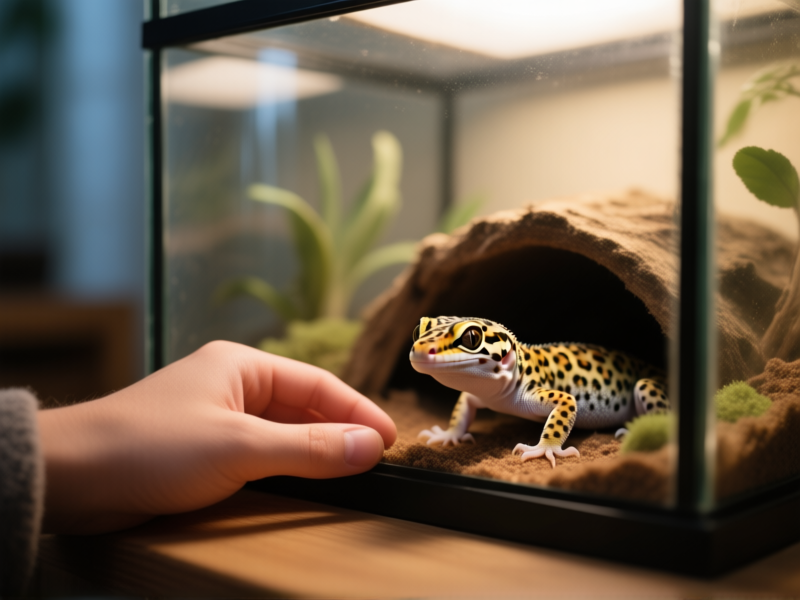
No touching. Seriously, keep your hands to yourself. This week is all about presence. Sit by the tank for 10-15 minutes a day. Read a book, scroll on your phone, just exist. Move slowly. Let your gecko get used to your shape, your smell, the sound of your voice. You're not trying to interact yet. You're just becoming part of the furniture. A very large, non-threatening piece of furniture.
Week 2: The Bribe Era – Introduction to Hand-Feeding
Now we bring out the big guns: food. Using feeding tweezers, offer your gecko its favorite treats. Start by placing the worm near it, then gradually hold it closer. The goal? Get it to eat from the tweezers right in front of you. This builds a positive association. You = food. You = good. Don't rush it. If it's skittish, go back to silent observing for a bit. Trust is a one-step-forward, half-step-back kind of dance.
Week 3: First Contact – The Palm Landing
Okay, time for the moment of truth. After a successful hand-feeding session, try this. With your hand flat and steady, gently place it in the tank. Let your gecko investigate. It might sniff, it might lick, it might ignore you. That's fine. The goal is to let it walk onto your hand on its own. No grabbing. No scooping. If it walks on, sit still for a minute, then slowly lift your hand just an inch. End the session on a high note. Short and sweet.
Week 4: Building a Routine – Handling Like a Pro
Consistency is key. Now that your gecko is okay with short handling, make it a regular thing. Daily five-minute sessions. Always support its body fully. Keep handling low to the ground over a soft surface—just in case. Talk softly. Move smoothly. This isn't playtime; it's bonding time. Some geckos will never love being held, and that's okay. The win is a reptile that doesn't panic when you need to check its health or clean its home.
When to Back Off – Reading Your Gecko's Body Language
Here's the thing: if your gecko is tail rattling, hissing, or trying to bolt, stop. Right now. You've pushed too far. Go back a step. This guide isn't a rigid law; it's a framework. Your gecko has its own personality. Some tame in two weeks, some take two months. Listen to it. Respect its boundaries.