How to Set Up a Quarantine Tank for a New Leopard Gecko (Step-by-Step)
The "Why" That Saves Your Whole Collection
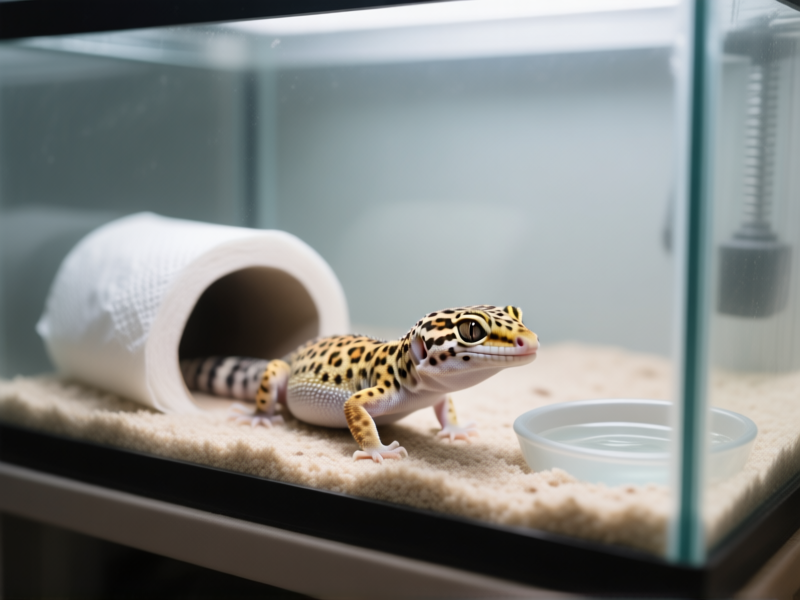
Look, I get it. You just brought home this incredible new leopard gecko. You're excited. You want to show them off to your other reptiles. Bad idea. Seriously. Think of quarantine not as an annoying extra step, but as the single best insurance policy you can buy. It's not about assuming your new gecko is sick. It's about *knowing* they aren't. Parasites like crypto, nasty bacterial infections, and the absolute nightmare of reptile mites—they're all invisible at first. A six-to-eight-week isolation period in a simple tank is the only way to spot trouble before it becomes an outbreak in your main collection. This isn't overkill. It's basic responsible pet ownership.
Gathering Your "Bare Bones" Battle Station
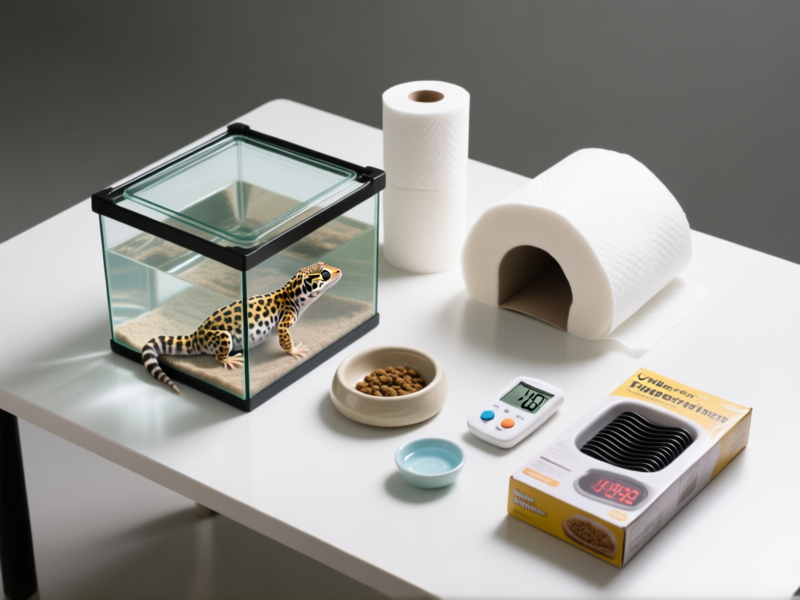
Forget the bioactive masterpiece for now. Your quarantine tank needs to be boring. Easy to clean. Easy to monitor. Here's your shopping list: A 10-gallon tank is perfect. You'll line the bottom with plain, unbleached paper towels. No loose substrate. Paper towels let you see every poop, every stray mite, every weird coloration immediately. You need one simple hide (plastic is fine, toss it if contaminated), a shallow water dish, and a food dish. For heat, a regulated under-tank heater on one side is your best bet—no fancy basking lights needed. Grab a digital thermometer/hygrometer to stick on the cool side. That's it. No decorations. No clutter. Sterile and functional.
The 15-Minute Setup (No PhD Required)
Place the tank in a quiet, low-traffic room. Not the living room. A spare bedroom or office is ideal. First, stick that under-tank heater to the *outside* bottom glass, on one end only. This creates a warm side. Plug it into a thermostat—this is non-negotiable to prevent burns. Now, line the bottom with several layers of paper towels. On the warm end, place the hide. On the cool end, place the water dish. Stick the thermometer on the cool-side glass. Turn on the heat, wait an hour, and check the temps. You're aiming for a warm hide floor around 88-92°F and a cool side around 70-75°F. Done. See? Not complicated.
Operation: Observation & The Paper Towel Tell-All
Here's where you become a detective. Your tools? Your eyes. And those paper towels. Every day, you're looking for changes. Is the gecko active at dusk? Are they eating? Most importantly, what does their poop look like? Healthy poop has a firm brown/black part (the feces) and a white/off-white part (the urate). Runny, all-green, bloody, or oddly smelly poop is a red flag. Are they soaking in their water dish constantly? Could be a sign of mites or shedding trouble. See any tiny black or red dots moving? That's mites. The beauty of the paper towel is that nothing hides. Any sign of illness, you call a reptile vet. No guessing.
The Final Countdown & When to Relax
Your gecko has made it 6-8 weeks. They're eating like a champ, pooping like a champion, and are alert. This is the time for a vet check-up with a fecal exam. Yes, even if they look perfect. It's the final seal of approval. If the vet gives the all-clear, you can start planning the move to their permanent, fancy home. Clean your hands before and after handling the quarantine tank. Keep a separate set of tools for it. This isn't forever. It's a short stint to guarantee a long, healthy life. It’s the smartest, most boring thing you’ll do for your new friend.