How to Identify and Treat Parasites in Leopard Geckos (A Beginner's Guide)
Your Leopard Gecko's Gut: What's Hiding and How to Find It
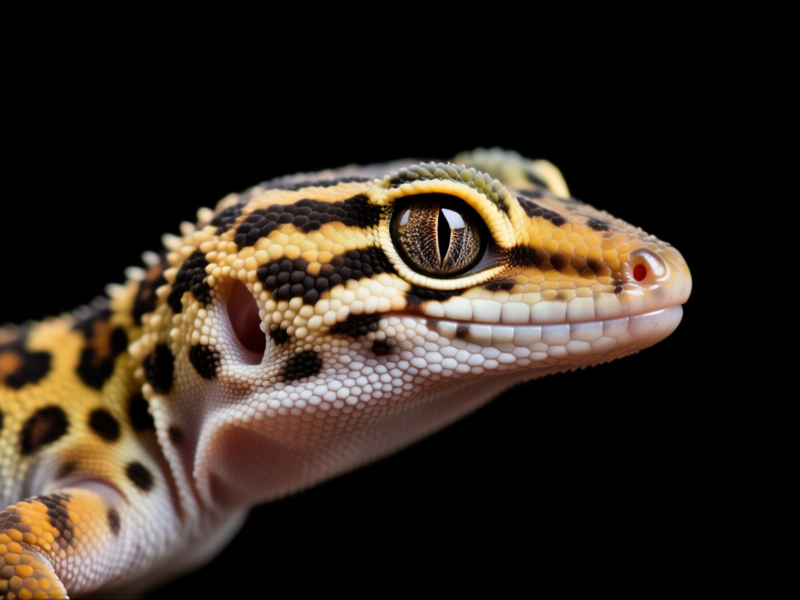
Let's talk about something less than glamorous. Parasites. I know, not the most fun topic when you've got a cute little gecko staring at you. But here's the thing: ignoring this is like ignoring a check engine light in your car. It won't fix itself. In the wild, a low-level parasite load might be "normal," but in the controlled environment of a tank? That's a recipe for a gecko that's just... off. Lethargic. Not eating right. You can't just assume they're "being a gecko." We need to look closer.
The Silent Symptoms: Spotting the Not-So-Obvious Signs
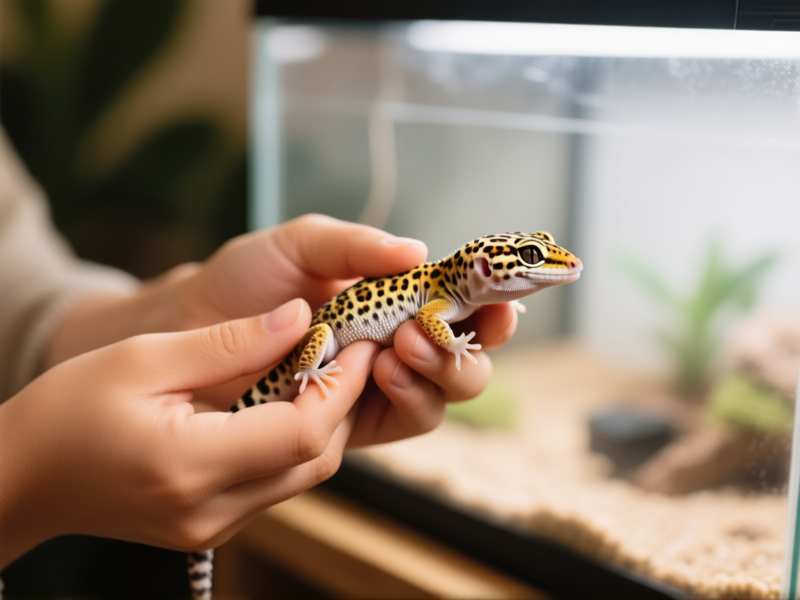
They won't cough or sneeze. Parasites are stealthy. The big one? Weight loss, or failure to gain weight despite eating. You might see a thinner tail—that fat reserve is the first to go. But look for subtler stuff. Lethargy is huge. Is your normally curious gecko just... existing? Runny, foul-smelling, or oddly colored stool is a major red flag. So is a loss of appetite. Actually, any change in their normal routine is a clue. Your job isn't to diagnose the specific bug. Your job is to notice when your gecko doesn't look or act 100%. That's your cue.
The Vet Visit & The Magic of a Reptile Fecal Test
This is non-negotiable. You need a vet, specifically an exotic or reptile vet. Don't just call any clinic. Walk in with a fresh fecal sample (less than 24 hours old, kept cool) like you're dropping off a suspicious package. The reptile fecal test isn't just a yes/no. A skilled vet tech will look under a microscope, identify the specific type of parasite—pinworms, coccidia, flagellates—and count them. That "load" number is critical. It tells the vet how aggressive the treatment needs to be. This test is the single best investment you can make in your gecko's long-term health. Skip the guesswork.
Treating Gecko Worms: Medicine, Not Magic
Okay, the test came back positive. Now what? Treatment is usually straightforward but requires precision. Your vet will prescribe a medication, often Panacur (fenbendazole) for worms or something like Ponazuril for protozoans. Dosing is by weight, to the milligram. You'll likely need to give it orally with a tiny syringe once or twice over a period of weeks. Sounds scary, but it's manageable.
The Real Work Begins: Aftercare is Everything
Giving the medicine is only half the battle. The other half? Breaking the parasite's life cycle in the tank. This means a complete enclosure overhaul. Remove and trash all loose substrate. Scrub every surface—walls, hides, dishes—with a reptile-safe disinfectant (like F10 or diluted chlorhexidine). Rinse everything incredibly well. Paper towel is your new best friend for the next few months. It’s boring, but it lets you monitor poop like a hawk and prevents re-infection. You have to be a clean freak. There's no way around it.
Keeping the Bugs at Bay: Your New Normal
Parasites often strike when stress weakens the immune system. So prevention is about reducing stress. Consistent, proper temperatures. A quiet place for the tank. Good, varied nutrition. And hygiene. Always wash your hands before and after handling. Quarantine any new reptile for at least 90 days—no exceptions. A follow-up fecal test a few months after treatment is smart, just to confirm the all-clear. Think of it as a wellness check. It’s not paranoia, it’s good, responsible ownership. Your gecko will thank you with years of healthy, active living.