How to Create the Perfect Humidity Hide for Leopard Gecko Shedding
Your Gecko's Skin is Crying Out for This
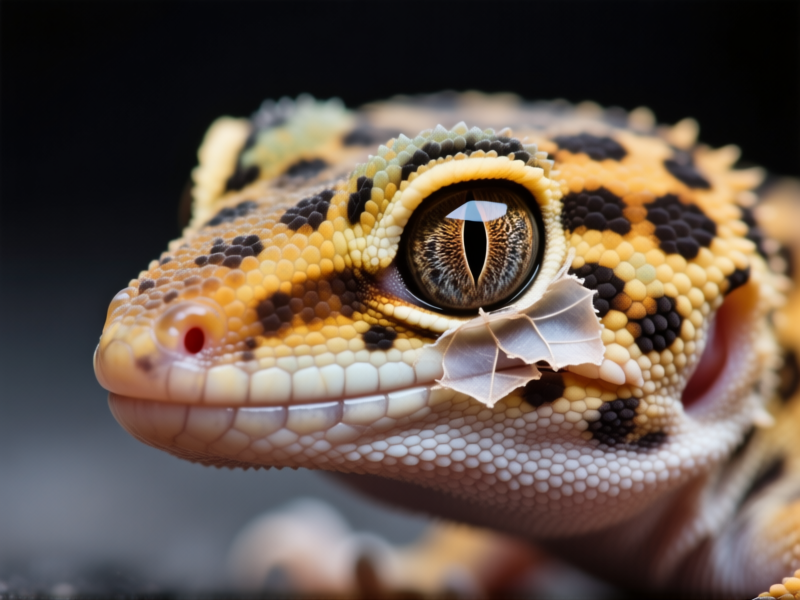
Let's cut to the chase. Watching your leopard gecko struggle with a bad shed is rough. They rub. They flail. They look miserable. And that old skin stuck around their toes? That's a one-way ticket to circulation problems. The core issue is almost always the same: lousy humidity. Your tank might feel fine to you, but for a gecko trying to wriggle out of its skin, it's a desert. You need a localized oasis. You need a humidity hide.
A Bad Shed Isn't Just Ugly, It's Dangerous
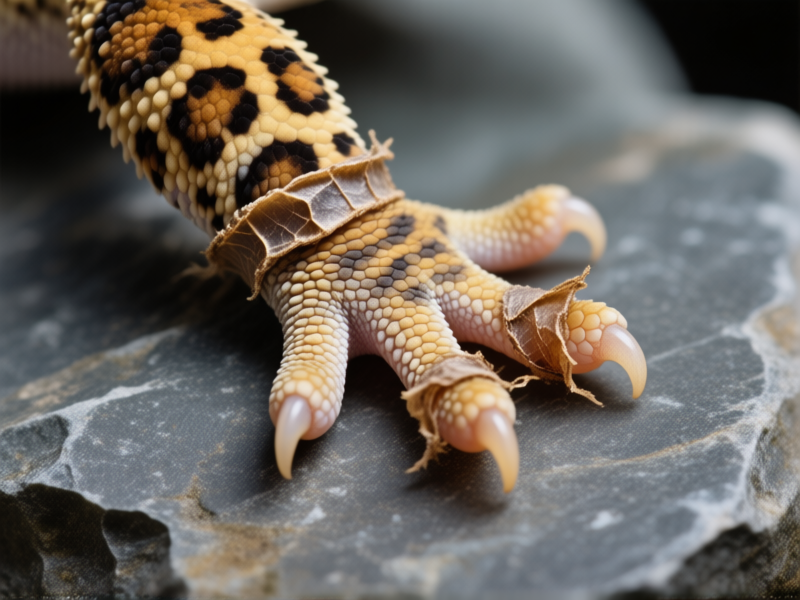
Think of shedding like peeling off a tight, full-body sock. If it's dry, it gets stuck. Stuck shed on the body is annoying. Stuck shed on the eyes can cause blindness. Stuck shed on the toes? That's the real nightmare. It acts like a tiny rubber band, cutting off blood flow. Left untreated, the toe dies and falls off. Seriously. We're not trying to scare you; we're trying to save those little gecko fingers. A proper humid hide prevents all of it. Full stop.
The 5-Minute, $3 DIY Gecko Spa
Forget expensive pet store gadgets. The perfect humid hide is probably in your kitchen right now. Grab a plastic food container—Tupperware, a deli cup, whatever. It just needs to be big enough for your gecko to sit in completely. Now, get a knife or soldering iron. Cut or melt a smooth entrance hole in the side. Not the lid. The side. This keeps the moisture in. See? You're already an engineer. That's the whole structure.
What to Put Inside (Hint: Not a Soaking Wet Mess)
The lining is key. Paper towels are the easy button. They're safe, cheap, and you can see when they're dirty. But for the premium experience, use sphagnum moss. Not potting soil. Sphagnum moss. Get it damp. Not dripping wet—squeeze it out like a sponge. You want humid, not a swimming pool. A soaked hide breeds bacteria and scale rot. Fill the bottom of your plastic palace with this damp lining. That's the magic. The moist air gets trapped inside, creating the perfect peeling environment.
Where to Park This Moisture Machine
Placement matters. Don't just chuck it in a corner. Put it on the warm side of the tank. Heat plus moisture equals perfect, steamy conditions for shedding. It needs to be a permanent fixture, not something you just toss in when you see a shed coming. Your gecko needs to know it's there so it can use it on its own schedule. And always, always give them at least one other dry, warm hide. Choice is everything.
Keeping It Clean So It Doesn't Get Nasty
This isn't a "set it and forget it" deal. That damp moss or paper towel will grow funky stuff. Check it every couple of days. If it looks dirty, smells off, or dries out, swap it. When you change it, give the whole plastic container a rinse. Simple. A clean hide is a safe hide. Ignore this, and you're swapping one problem for another.