Gut Loading 101: How to Make Your Feeder Insects More Nutritious
Stop Saying "Vitamins" And Start Saying "Gut Loading"
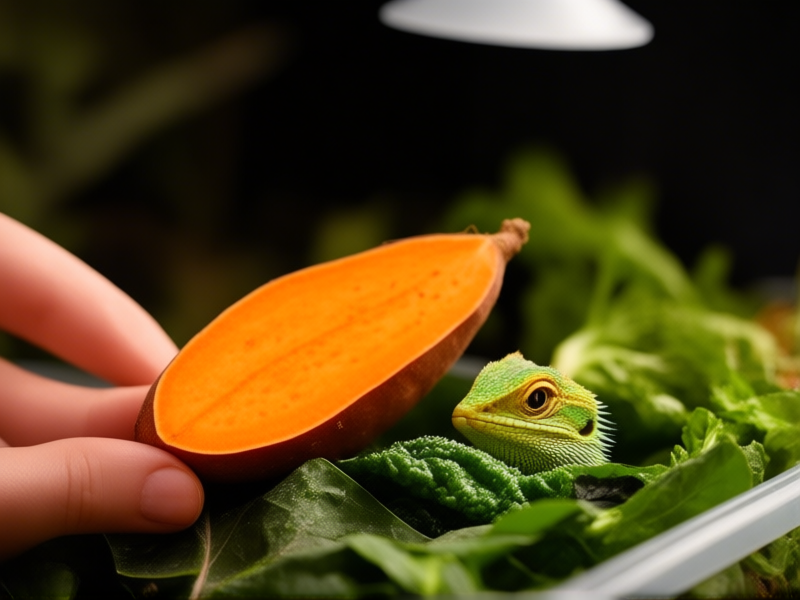
You dust your crickets. You’re a responsible reptile owner. But let me ask you this: is your insect a vitamin tablet, or is it a living, breathing meal? Think of it this way. If I gave you a multivitamin, then only let you eat potato chips for 24 hours, how vibrant would you feel? That's what a dusted, but empty, cricket is for your pet. Dusting is the sprinkles. Gut loading is the actual cake. It's the simple, often overlooked trick that turns a basic feeder into a supercharged delivery system for the stuff your animal actually needs.
Your Cricket is What It Eats (So Don't Feed It Cardboard)
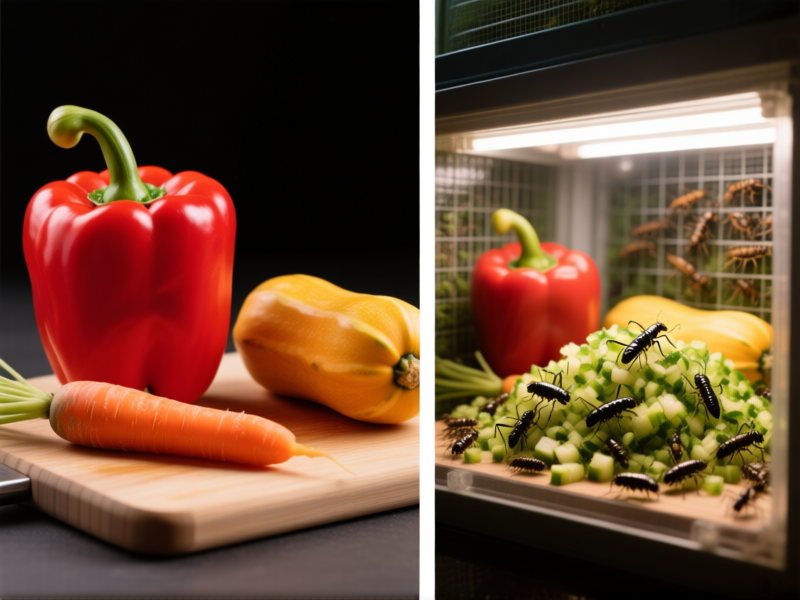
Here’s the rule: if it’s good for your reptile, it’s probably good for its food. We’re talking about fresh, moisture-rich, nutrient-dense stuff. Bell peppers for that vitamin A punch. Sweet potato and carrots for beta-carotene. Squash, dandelion greens, endive. Organic is great if you can, but washed is mandatory. You’re not running a 5-star insect bistro here. You’re just chopping up your veggie scraps into cricket-sized bits and tossing them in 24-48 hours before feeding time. Easy. The goal is to pack their little digestive tracts with the good stuff before they become someone else’s dinner.
The "Do Not Feed" List is Shockingly Short
Okay, but what's bad? You want to avoid anything too acidic or anything from the allium family. Onions and garlic are a no-go—they can mess with your reptile. Citrus is too harsh. And for the love of all that is holy, avoid iceberg lettuce. It’s basically crunchy water. It fills the insect up with zero nutritional value, which defeats the whole point. Stick with the colorful, dense vegetables. If it looks healthy to you, it’s a safe bet.
Timing is Everything (Here's Your Schedule)
You can’t just throw a carrot in the cricket tub and forget about it for a week. That’s how you get a smelly, moldy mess and dead feeders. The sweet spot is 24 to 48 hours of prime feeding time. Load them up the day before you plan to feed them to your pet. But here’s the pro tip: pull the fresh veggies out about 12 hours before the big event. This lets the insects clear their own digestive tracts of excess waste and water, so your reptile isn’t getting a mouthful of… well, cricket poop. Think of it as the final plating of the meal.
Busting the Biggest Gut Loading Myth
“But my crickets eat the commercial gel and the cardboard egg flats!” I hear you. And they do. They’ll eat anything to survive. That commercial gel? It’s for hydration and basic survival, not for optimal nutrition. Cardboard is just housing. If you’re only using those, you’re giving your reptile the insect equivalent of a prisoner surviving on bread and water. You’ll keep it alive, but you won’t help it thrive. Seeing your animal’s colors pop, its energy levels rise, and its overall health solidify? That comes from the inside out, starting with what’s in the feeder’s gut.