Gecko-Proofing a Room: How to Safely Let Your Leopard Gecko Explore Outside the Tank
Your Gecko Craves a Change of Scenery (Seriously)
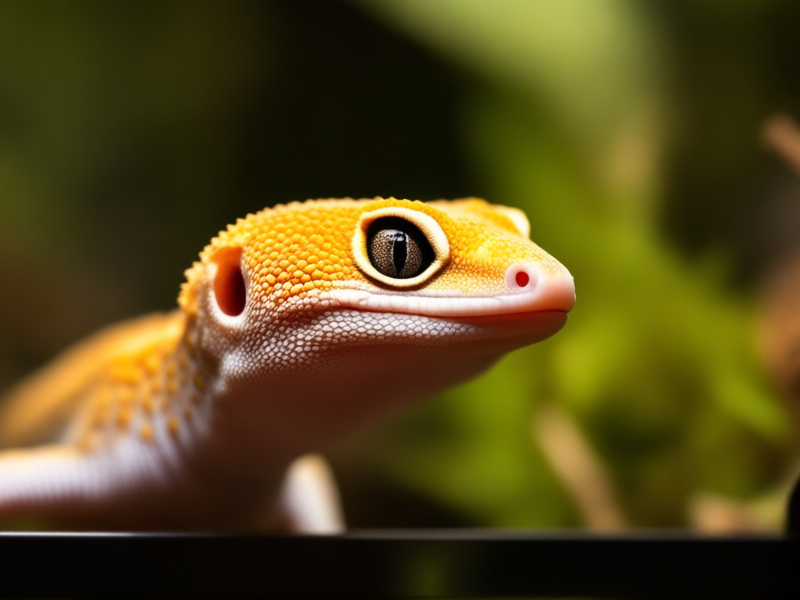
Look, I get it. That tank is a palace. But even the nicest palace can feel like a cage after a while. Your leo's brain needs stimulation. New smells? Interesting textures? A different room temperature on their belly? That's reptile enrichment. It prevents boredom, which can lead to a lazy, disinterested pet. Think of it as a little field trip. But you absolutely cannot just plop them on the carpet and hope for the best. That's a disaster waiting to happen. Here's how to do it right.
Build a Fort Knox-Level "Geckoproof" Zone
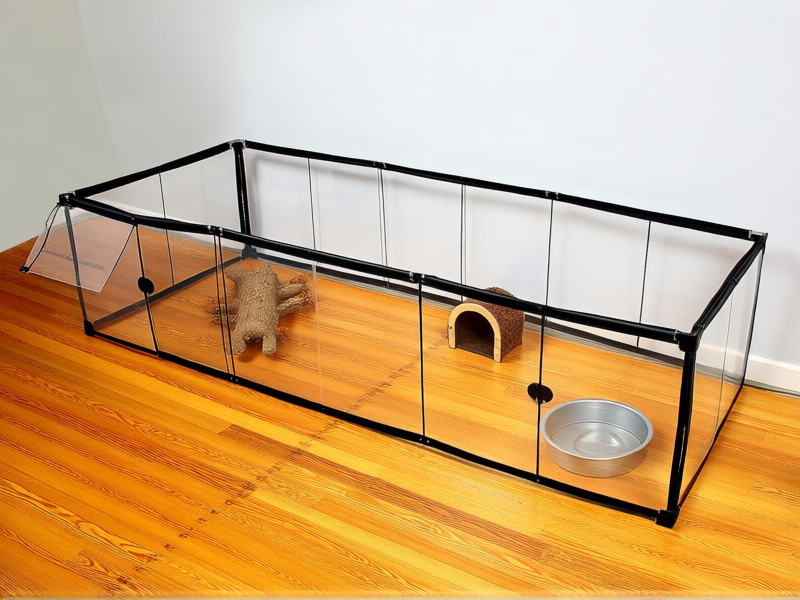
Forget free-roaming. That's a hard no. You need a contained space. A dedicated reptile playpen is perfect—they're tall, have no gaps, and often come with a lid. No playpen? A clean, empty bathtub (with the drain plugged and a towel on the bottom) works in a pinch. The rules are simple: Escape-proof. No gaps, no holes, nothing to crawl under. Next, scan the area like a hawk. Electrical cords? Tuck them away. Toxic plants? Move them. That dark shadow under the bookshelf that looks like a perfect hiding spot? Block it. Your goal is to create a boring, safe, inescapable box. Boring is safe.
Eyes On the Prize: Your Job is to Watch
This is the most important part. You do not get to scroll on your phone. You do not go make a sandwich. Your sole purpose is to be an observer and a safety net. Sit on the floor with them. Watch their body language. Are they alert and flicking their tongue? Good. Are they freezing up or trying to bolt? Maybe time to go back. They're surprisingly fast when they want to be. A moment's distraction is all it takes for them to vanish behind a radiator. Your presence is the primary safety feature. No supervision, no playtime. It's that simple.
Offer Hiding Spots on Their Turf
Even in a safe space, a wide-open area can be stressful. They're prey animals. They need an "oh crap" retreat. Toss in a familiar hide from their tank. A cardboard tube. A small, empty cereal box with a door cut in it. Something they can dart into if they feel exposed. This gives them control. They can choose to explore, and they can choose to chill. That security makes the whole experience positive instead of terrifying. It's like giving a toddler a security blanket in a new playground.
The Gentle Art of the Round-Up
Playtime's over. Now you have to get them back. Never grab from above—that's predator behavior. Scoop them up from below. Guide them gently into a small container if they're being slippery, then transfer them to the tank. Be patient. If they're mid-exploration, they might not want to go. But you're the boss. Calm, confident movements. No chasing. A little piece of their favorite food waiting in the tank is a great incentive. Makes the return a reward, not a punishment.
The Not-So-Glamorous Final Step: Clean Up
They will probably poop. It's what they do. The moment they're back in their home, you need to disinfect the play area. A reptile-safe disinfectant or a diluted vinegar solution works. Wipe everything down. This isn't just about smell; it's about preventing the spread of bacteria or parasites. It's the secret, boring chore that keeps everyone healthy. Do it every single time. No excuses.