Escap-Proofing 101: How to Secure Your Leopard Gecko Tank Lid and Vents
The Houdini in Your Home: Why Lids Aren't Just Lids
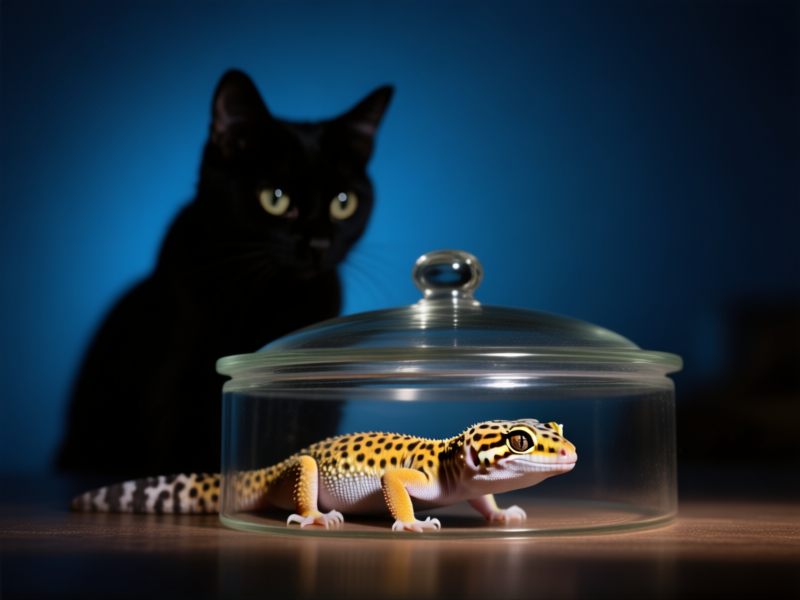
Look, we've all done the sideways glance. You catch your gecko eyeing the top of the tank. Just… thinking. It's not about them being malicious. It's physics. They're flat, surprisingly strong for their size, and born explorers. That mesh lid you bought? It's not a roof. To them, it's a climbing wall with a prize at the top. And that prize is your floor, your curtains, or worse, the heating vent. Forget for a second that they're pets. Think of them as tiny, scale-covered escape artists on a mission.
Lid Lockdown: Choosing & Clamping Your First Line of Defense
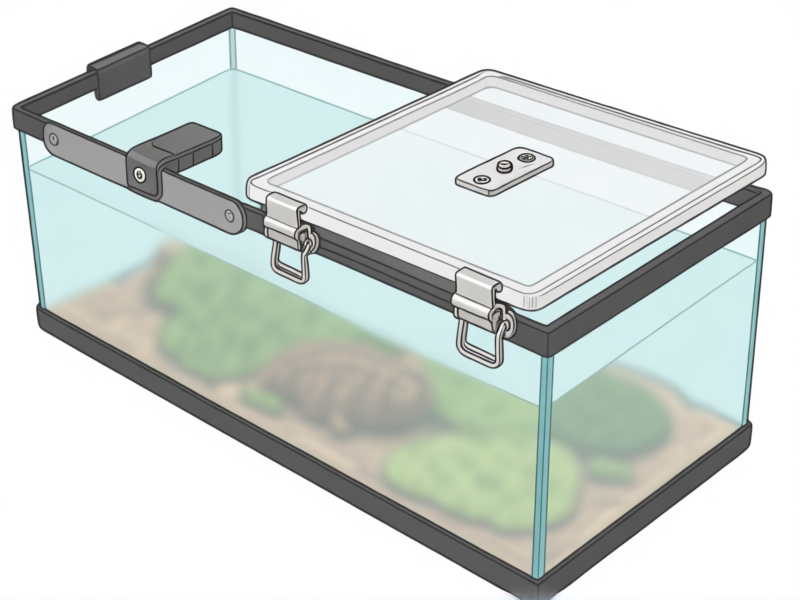
Screen lids are the standard. And they're fine. But "fine" isn't security. The flimsy clips they come with? A determined gecko can vibrate them loose. Your first stop is the hardware store. Get a pack of those small, sliding lid locks. You know, the ones for babies? Perfect. Clip one on each short side. If you have a front-opening terrarium, the latch it came with is usually good. But test it. Push on the glass. Feel any give? That's an invitation. Reinforce it with a secondary lock. This isn't overkill. It's just kill.
Beyond the Lid: The Silent Escape Routes (Vents & Cables)
Here's the thing everyone misses. The lid is secure. You're a genius. But what about the cord port in the back? Or the tiny gap where the sliding glass doors meet? Or the manufacturer's ventilation holes big enough for a juvenile to squeeze through? Run your finger around every seam, every hole. Feel a draft? They can fit. For cable ports, use expanding foam plugs or stuff the hole with filter floss. For larger vents, secure fine-mesh stainless steel screen over the inside with aquarium-safe silicone. It sounds like a project. It is. But losing your gecko is a bigger one.
The "Set It and Forget It" Fallacy: Your Weekly Security Check
You installed the locks. You sealed the vents. You're done, right? Wrong. Enclosures live in your home. They get bumped. Locks get jostled. Silicone can dry and crack. Make this part of your routine. Every week when you spot clean, give the lid a firm (but careful) upward tug. Check the locks for rust or wear. Inspect your vent seals. Look for any new gaps in the silicone seals at the tank corners. This takes 60 seconds. It's the difference between confidence and catastrophe.
Panic Mode: What If They Actually Get Out?
It happens. The heart-sinking moment you see an empty tank. Don't scream. Don't panic. They are masters of compression. Check inside the tank first—under every hide, inside the hollow logs, buried in the substrate. Then, think warm, think dark, think tight. Behind the fridge, entertainment center, under the oven, inside couch cushions, folded blankets. Lay down plastic bags in quiet rooms—you'll hear them crinkle. Set up a small heat mat with a hide on the floor. They are creatures of habit and heat. They will find it.