Creating an Enrichment Routine: 5 Simple Activities to Stimulate Your Gecko's Mind
Turn Dinnertime Into Brain Time: The Hunting Box
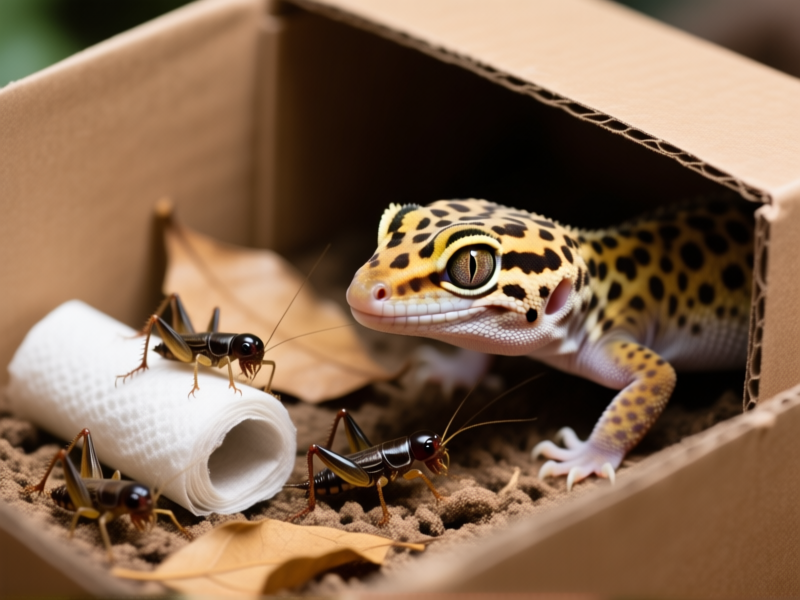
Let’s be real. Every night is the same. You drop the crickets in. They get eaten in ten seconds flat. Dinner's over. Boring, right? For you and your gecko. Here's a simple fix: stop serving food on a platter. Instead, create a "hunting box." Grab a low-sided Tupperware or cardboard lid. Throw in some crumpled paper towels, a toilet paper tube, and a few of his bugs. Watch him figure it out. It’s not about being mean. It’s about giving him a job. A purpose. That poking, sniffing, stalking? That’s a stimulated brain. And a much more interesting evening for you, too.
Mix It Up: The "New Layout" Weekend
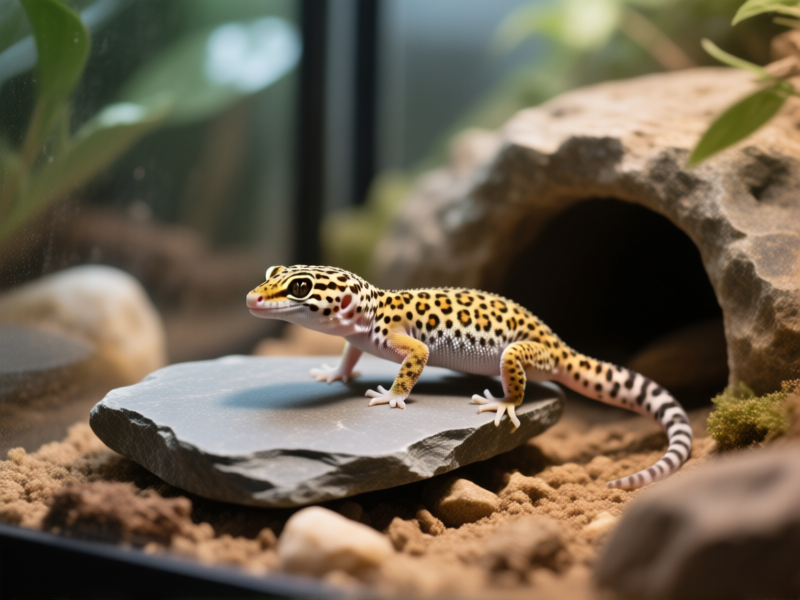
Think about your morning routine. You’d go nuts if someone moved your coffee maker. Your gecko loves his routine too, but a little controlled chaos is good. Seriously. Once a week or so, shuffle the furniture. Move his humid hide to the other side. Turn his favorite log upside down. Add a new, flat piece of slate. Don’t overhaul everything—that’s stressful. Just tweak the floor plan. When he comes out that evening, he’ll do a double-take. He’ll have to re-map his territory. Check the new sight lines. It’s a low-effort puzzle for you, but a whole new world of sniffing and exploring for him.
Touch and Go: Create a Sensory Playground
Their feet are everything. They taste the world with them. So give them something interesting to taste! I’m talking about texture. Not just the same old reptile carpet. Introduce a small tile. A piece of clean, untreated slate. A bit of flat cork bark. Some soft moss (supervised only!). Scatter these in his walking paths. He’ll feel the cool of the tile, the scratch of the cork. It’s like us walking from carpet to cool hardwood to a plush rug. It gives his nervous system new data to process. Simple, cheap, and weirdly effective. Just make sure everything is secure and can’t trap him.
The Supervised Safari: Safe Floor Time
Okay, this one requires your full attention. No multitasking. But hear me out. A completely new, safe environment is the ultimate brain-builder. Get one of those pop-up playpens or just block off a super secure area on the floor. No wires, no dust bunnies, no other pets. Put in some of his familiar items and one or two new, safe objects—a clean paper bag, a large plastic bottle cap. Let him explore. Watch his body language. He’ll be on high alert, processing a million new smells, sights, and feels. Ten, maybe fifteen minutes max. Then back home. It’s a massive adventure in a small, controlled dose.
The Sniff Test: Scent Trails & Novel Smells
Their nose (well, their Jacobson's organ) is their primary newspaper. So give them some interesting headlines. This is the easiest trick in the book. Take a blueberry or a piece of a worm and rub it lightly on a clean rock or the side of his enclosure before you put it in his dish. He’ll follow that faint scent trail. You can also introduce a totally neutral, safe smell. A sprig of fresh basil or thyme (ensure it's pesticide-free) placed outside the glass for a few hours. He’ll spend the evening investigating the glass, trying to figure out this new, weird smell in his airspace. It costs nothing. It drives them quietly crazy in the best way.