Creating a Supplement Schedule: A Weekly Chart for Vitamins and Calcium
The "Hard Shell" Truth: Your Gecko's Life Literally Depends on This
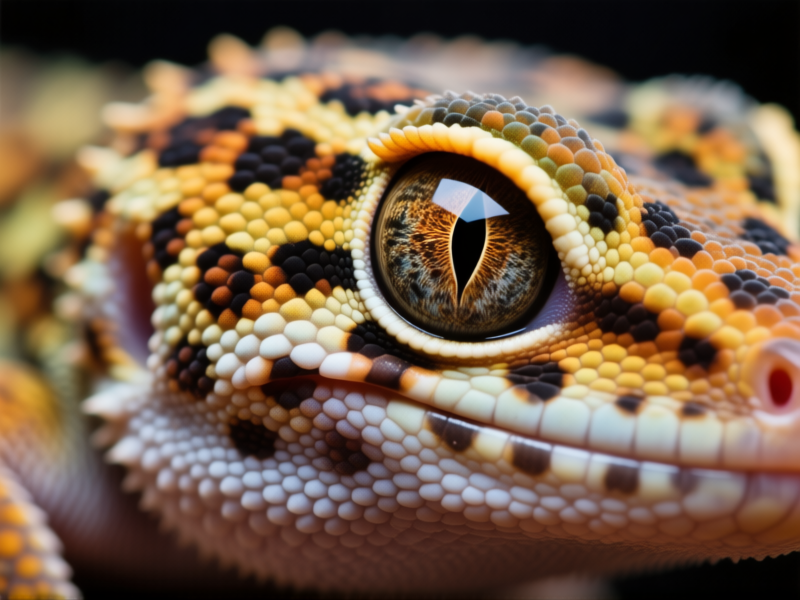
Let's cut to the chase. You wouldn't raise a kid on just pizza and hope for the best. So why would you do that to your leopard gecko? In the wild, they get a crazy diverse buffet of bugs that have themselves eaten a ton of different plants. In your tank? That diversity is zero. Zip. Their dinner is basically a nutrient desert wearing a cricket costume. Without a proper supplement schedule, we're talking about Metabolic Bone Disease (MBD). That's the horror show where their jaw goes soft, their limbs bend like rubber, and their spine crumples. It's preventable. It's also entirely on us. This isn't optional upkeep. It's non-negotiable.
Most Keepers Get This Dead Wrong (It's Not Your Fault)

Here’s the thing the pet store employee probably mumbled while ringing you up: there’s a difference between calcium with D3 and calcium without D3. And then there are multivitamins. It feels like a chemistry exam. You grab a bottle that says "Reptile Calcium" and think you're golden. Actually, you might be setting up for a different kind of disaster. Too much D3 can be as bad as too little. The goal isn't to dump powder on every meal. It's a rhythm. A schedule. And that's what almost nobody explains clearly. No more guesswork.
Your "Set It & Forget It" Weekly Supplement Chart
Forget complex science. Here's your simple, weekly playbook. Adult geckos, 2-3 feedings per week. Print this. Stick it on the fridge. We're using three dusting powders: Plain Calcium (no D3), Calcium *with* D3, and a good Multivitamin (look for one with Vitamin A, not just Beta-Carotene).
**Monday Feeding:** Dust with **Calcium with D3**.
**Wednesday Feeding:** Dust with **Multivitamin**.
**Friday Feeding:** Dust with **Plain Calcium (no D3)**.
See? It rotates. The D3 helps them use the calcium, but you don't want to overload it. The plain calcium is for the other days, available in a tiny dish in the enclosure for them to lick if they feel they need it. That dish is a game-saver. This schedule covers all the bases without overdoing any single element.
The "Dusting" Dance: How to Actually Do It Right
You've got the schedule. Now, the technique. This isn't about making a cricket snowball. Grab a plastic bag or a small deli cup. Put your feeder insects in it. Add a *tiny* pinch of powder. Like, seriously, less than you think. Shake gently. The bug should look like it has a very light, even dusting of snow. You should still see the insect's color. If it looks like a powdered donut, you've gone too far. That's wasteful and can put your gecko off its food. Light coat. Every time.
Watching for the Win: Signs You're Nailing It
You don't need a blood test to know it's working. A gecko on a proper schedule is visibly different. Their eyes are bright and alert. They have strong, purposeful movements. When they climb, their grip is solid. Their tail is pleasantly plump. Poop happens. And it looks... normal. You’re not just avoiding sickness. You’re promoting legit vitality. That's the real goal. They’re not just surviving in their tank. They're thriving. And you get to watch it happen.