Calcium and D3 Supplements: A Simple Guide to Dusting and Preventing MBD
MBD Isn't Just a Bad Back – It's a Gecko's Nightmare
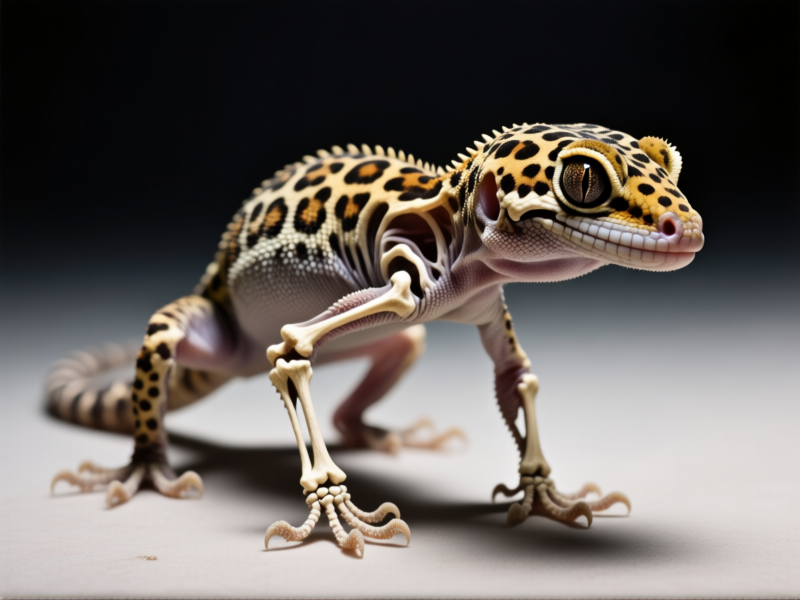
Let's cut to the chase. Metabolic Bone Disease (MBD) is a horror show. It's not a simple limp. It's a full-body collapse where their skeleton turns soft. Imagine trying to move when your own ribs and jaw feel like soggy chalk. That's the reality for a gecko without enough calcium. It's preventable. Let's make sure yours is one of the lucky ones.
Why Plain Calcium Just Doesn't Cut It
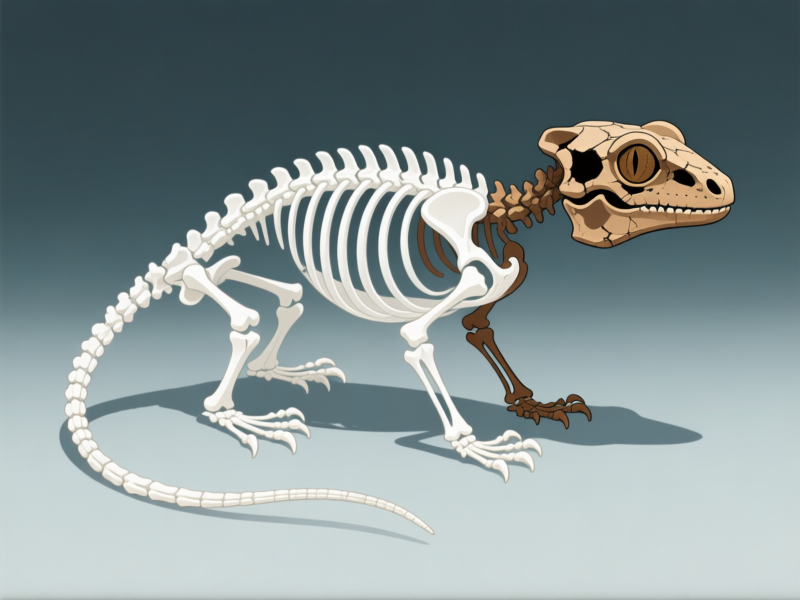
Think of calcium as the bricks for their bones. D3 is the bricklayer. Without D3, your gecko can't absorb that calcium. They could be sitting in a pile of the stuff and still get MBD. Their body just shrugs and lets it pass right through. So you need both. The brick and the builder. That's the non-negotiable part one.
Dusting: It's Seasoning, Not a Blizzard
Here's the thing. You're not trying to create a powdered donut cricket. A light, even coat is what you want. The insect should look like it just walked through a light frost. Shake it in a bag or a little container. The goal is for the gecko to lick most of the powder off when they chomp down. Too much, and they'll turn their nose up. It's about finesse.
The Gut-Loading Bonus Round
Before you even dust, think about what the *feeder insect* ate. That's gut-loading. Feed your crickets or dubias good stuff—sweet potato, leafy greens, commercial gut-load. You're basically packing the insect with vitamins first. So when your gecko eats it, they get the dust *and* the insect's nutritious gut contents. Two-for-one. It matters.
The D3 Dilemma: Powder vs. The Sun Bulb
Most calcium powders have D3 added. It's the easy button. Dust with that a few times a week. But. Some folks (myself included) prefer a different route: a pure calcium dish in the tank always, and a low-output UVB bulb. The bulb lets them produce their own D3, just like in the wild. It's more natural. It removes the guesswork of overdosing via powder. It's an upfront cost that simplifies everything long-term.
Your No-Stress Weekly Routine
Don't overcomplicate it. Keep a little dish of pure calcium (no D3) in the tank 24/7. They'll take a lick when they need it. For main feedings, dust with your Calcium + D3 powder 2-3 times a week. Gut-load your feeders always. If you use a UVB bulb, you can be even more relaxed with the D3 dusting. Watch your gecko. Are they active? Eating well? That's your best sign you're getting it right.