Biting and Tail Dropping: Why It Happens and How to Prevent It
They're Not Being Mean, They're Being Scared
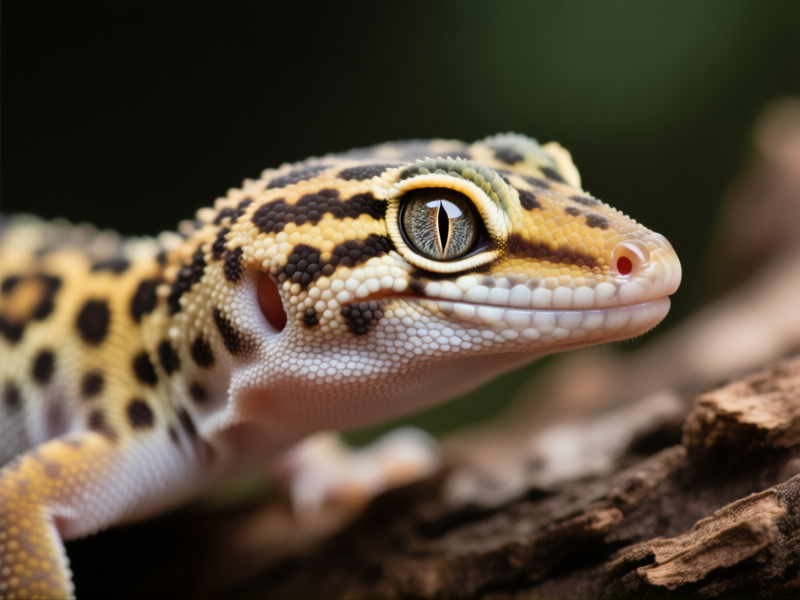
Look, it's easy to take it personally. You go to pick up your little scaly buddy and *chomp*. Ouch. But here's the thing: your leopard gecko isn't plotting against you. They're a prey animal. Their entire evolutionary playbook is written by things that want to eat them. So when a giant, warm-blooded monster (that's you) moves suddenly, their lizard brain has one setting: DEFEND. A bite isn't aggression. It's pure, unadulterated panic. Think of it as a scream in tooth form.
The Tail Drop: A Spectacular Getaway
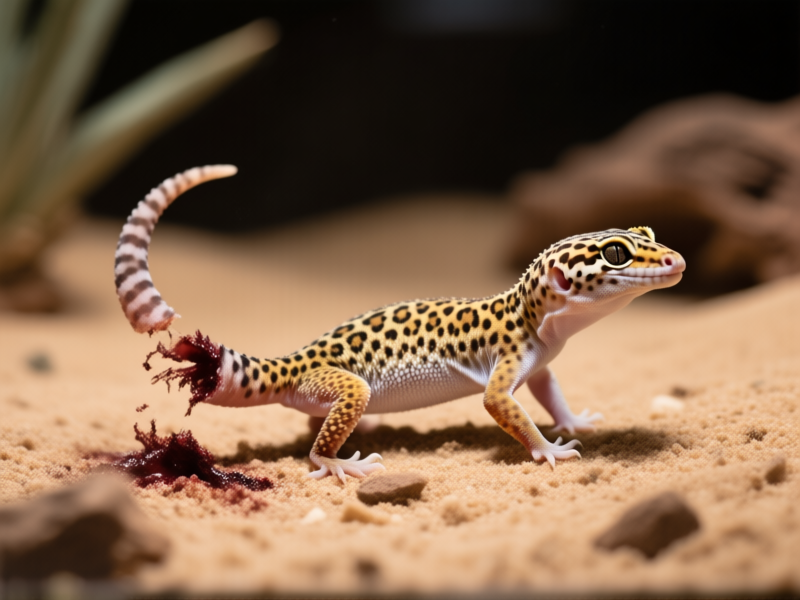
This is their party trick. And it's a good one. Autotomy, or tail dropping, is a last-resort survival mechanism. A predator grabs the tail? *Snap*. The tail keeps wiggling like a juicy worm, creating a perfect distraction while your gecko books it to safety. The biology is wild – special fracture planes in the vertebrae let it break clean. Does it hurt them? Probably. But less than being eaten. The real kicker? That tail is their version of a savings account. It’s where they store fat and nutrients. Losing it is a big metabolic hit.
Stop the Stress Before the Bite
Prevention is everything. And it starts with reading the room. Is your gecko pressed flat against the ground? Tail twitching in a fast, angry rhythm? Hiding and refusing to come out? These are flashing neon signs that say "DO NOT TOUCH." Your job is to make yourself the least scary thing in the room. Move slowly. Don't approach from above like a hawk. Let them see your hand coming from the side, and let them sniff you first. It's not about forcing interaction. It's about offering an invitation they feel safe to accept.
How to Pick Up Your Gecko (Without Drama)
Forget the grab. Scooping is the name of the game. Slide your hand, palm up, slowly underneath them. Let them walk onto you if they can. The goal is to provide full-body support so they feel secure, not trapped. Never, ever pick them up by the tail. That's just asking for a drop. Keep initial handling sessions short – like, two minutes short. End on a positive note, maybe with a tasty treat after they're back home. Build trust in tiny, boring increments.
What To Do If The Worst Happens
So you got bit. First, don't fling your hand away. That can hurt their jaw. Stay calm, and they'll usually let go on their own. Clean the wound well; their mouths aren't super clean. If they drop their tail? Don't freak out. It looks gnarly, but it's natural. Remove the wiggling tail from the tank (it can rot). Keep their enclosure impeccably clean to prevent infection at the drop site. Up their food a bit—they need the extra energy to regrow that tail. The new one will grow back, but it’ll look different. Bumpy, often a single color. A badge of honor, really.
Building a Chill, Bite-Free Relationship
This is a long game. It’s about consistency. Regular, gentle, predictable interactions. Feeding with tongs so they don’t associate your fingers with food. Talking to them so your voice isn’t a shock. Respecting their "no" when they're not in the mood. Over time, you stop being a monster and start being part of the landscape. A safe part. The bites become rare. The tail stays on. And you get a calm, curious little lizard that’s genuinely cool to hang out with. That’s the win.