Bioactive Setup for Beginners: A Simplified Guide to a Self-Cleaning Gecko Tank
Bioactive Isn't a Gimmick—It's a Better Way to Live
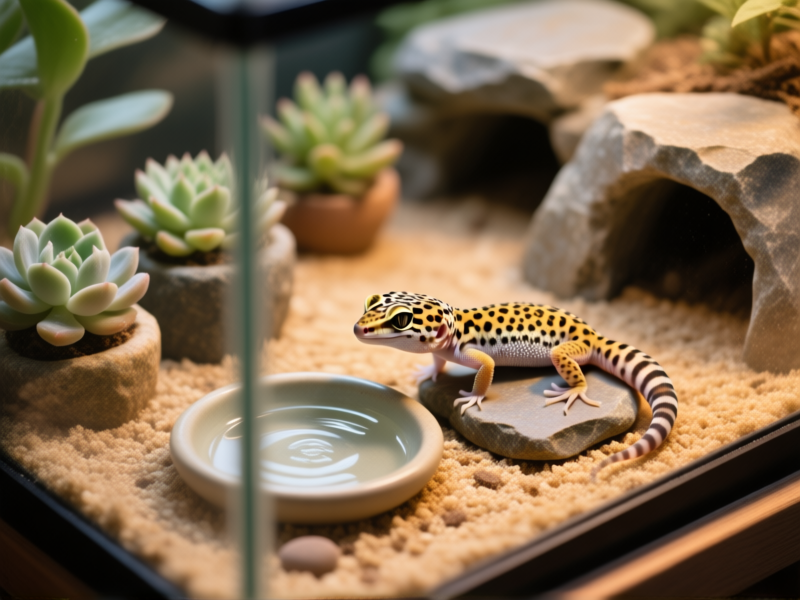
Let's cut through the jargon. A bioactive tank isn't just a "pretty" cage. It's a functional, living ecosystem. Think of it as outsourcing all the gross cleaning jobs to a tiny, enthusiastic workforce you never have to pay. Poop? Handled. Shed skin? Eaten. Leftover food? Gone. You stop being a janitor and start being an ecosystem manager. It sounds fancy, but for a leopard gecko? It's surprisingly straightforward to set up. And your gecko will absolutely thrive in it.
Meet Your Tiny Cleaning Army: The "Clean-Up Crew"
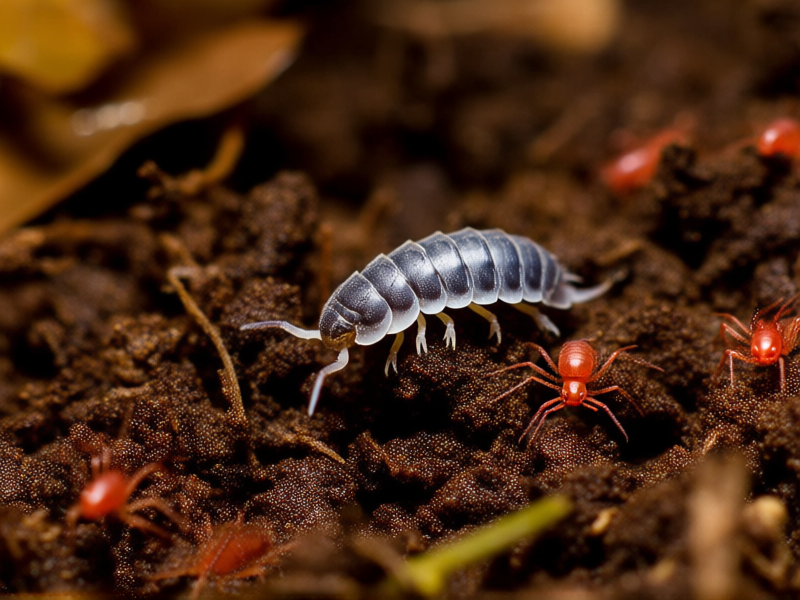
Here's the magic. You're hiring a cleanup crew. The heroes are isopods (think fancy pill bugs) and springtails (tiny white soil jumpers). They live in the substrate and eat waste, mold, and decaying matter. You don't see them much. They just work. For a leopard gecko's dry setup, you want drought-tolerant species. Dwarf White Isopods and Tropical Springtails are the classic duo. Toss them in, let them burrow, and forget about them. They'll breed and handle business. No more scraping feces off decor. Ever.
The Dirt That Does the Work: Your Substrate Recipe
This is the foundation. Literally. You can't just use carpet or paper towels. You need a bioactive substrate—a mix that holds burrows and supports your clean-up crew's life. The gold standard is a 70/30 mix of organic, fertilizer-free topsoil and playsand . Cheap and effective. Layer in some leaf litter on top for the crew to hide and munch on. That's it. It holds humidity for sheds, allows for digging, and houses your entire micro-ecosystem. Avoid pure sand or pure soil; the mix is key for structure and drainage.
Beyond Plastic: Building a Landscape That Lives
Now for the fun part. Ditch the garish plastic plants and neon-painted hides. Go natural. Your gecko will thank you. Use slate, cork bark, and ceramic hides. Add easy, hardy live plants like succulents (echeveria), snake plants, or pothos (planted in a pot to avoid root disruption). They look amazing, help process waste, and boost humidity. The goal isn't a rainforest—it's a stable, arid-scape that mimics their natural environment and provides security. It’s a tank you’ll actually want to look at.
The Truth About "Maintenance-Free"
Look, it's not zero work. It's *different* work. You're not scrubbing weekly. But you are monitoring. Spot-clean any massive waste for the first month while the crew establishes. Feed your gecko in a dish to avoid the crew eating their food. Mist the moist hide regularly. Trim plants occasionally. That's about it. The ecosystem does the heavy lifting. Your job shifts from daily chore-work to occasional check-ins. It’s easier, smarter, and frankly, more rewarding. You're not maintaining a cage; you're balancing a tiny world.