Avoiding Common Setup Mistakes: 10 Errors Every New Leopard Gecko Owner Makes
Your Gecko is Cold: The Single Biggest Heating Slip-Up
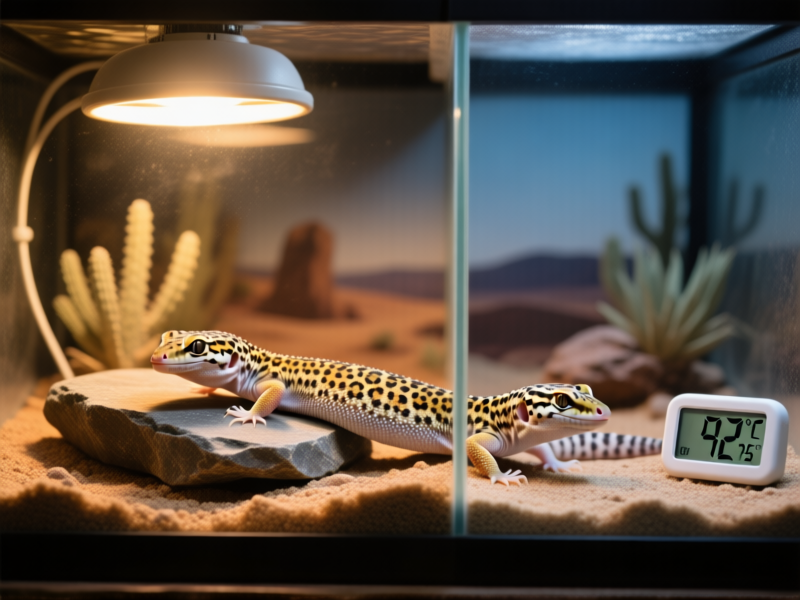
Hands down, the most common mistake. You bought the little guy a fancy heat mat and called it a day. You figured "warm is warm," right? Nope. Here’s the brutal truth: leopard geckos need belly heat to digest their food. An overhead lamp like a halogen is a million times better at creating that deep, penetrating warmth they'd get from the sun-warmed ground. A heat mat alone is like trying to warm your whole body with a single electric blanket under your feet. It just doesn't cut it. And you need a thermostat. Always. That cheap little plug-in thing is not a suggestion—it’s the only thing stopping you from accidentally cooking your pet. Get a digital thermometer gun, too. Trust me on this.
That "Convenient" Substrate is a Disaster Waiting to Happen
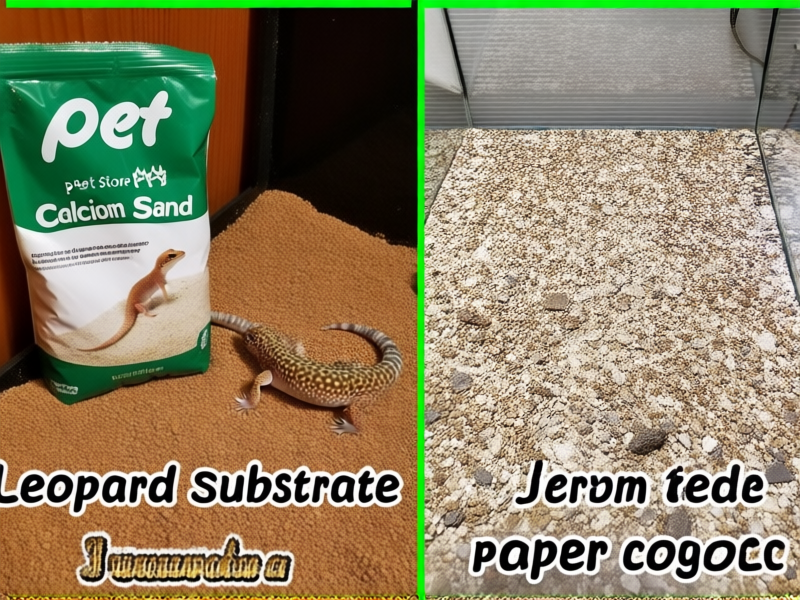
See that bag of bright white "Calcium Sand" at the pet store? It’s a trap. It looks cool and screams "reptile habitat." Actually, it screams "impactation risk." When geckos hunt, they often lick their surroundings. They ingest that sand. It clumps up inside them like concrete. Not good. Same goes for loose bark, crushed walnut shells—anything small and loose is a no-go when they're young. What works? Boring stuff. Paper towel for babies (easy to clean, zero risk). For adults, a mix of non-adhesive shelf liner or textured slate tiles. It’s not about making a picture-perfect desert scene for Instagram. It’s about keeping your gecko alive and unblocked.
One Hide is a Prison, Not a Home
You dropped in that one cool-looking cave ornament. Done? Not even close. Think about it. In the wild, they have infinite options to escape heat, cold, and predators. In a tank, they have what you give them. The bare minimum is three hides. A warm, dry hide under the heat source. A cool, dry hide on the other end. And a humid hide stuffed with damp moss in the middle. That humid hide is non-negotiable for healthy sheds. If they only have one place to go, they'll choose safety over comfort every time. That means they'll either roast or freeze because they're too scared to move. Give them choices. They’ll be less stressed, eat better, and you’ll actually get to see them out and about.
The Silent Killers: Ignoring Humidity and Skimping on Food Variety
Two quick but massive errors here. First, humidity. That water dish evaporates, but it's not enough for shedding. That humid hide we talked about? It’s the difference between a perfect, one-piece shed and dead toes constricted by stuck skin. Check it daily. Keep the moss damp, not soaked. Second, the buffet. Feeding only one type of insect (looking at you, mealworm-only diets) is like you eating nothing but crackers. Nutritional deficiencies are a slow road to sickness. Rotate those bugs: crickets, dubia roaches, different worms. And "gut-load" them—feed the insects nutritious foods 24 hours before they become dinner. You’re not feeding the gecko; you’re feeding what the gecko eats.
Rushing the Fun Part (And Getting the Tank Size Wrong)
You finally got your pet! You want to hold it. Right now. Pump the brakes. The first week is observation only. No handling. Let it settle in, find its hides, and realize this new box isn't trying to eat it. Start slow after that. Just sit with your hand in the tank. Let it come to you. This builds trust. Forcing interaction creates a skittish, terrified animal. Also, the box itself. That "starter kit" 10-gallon tank? Too small. Forget the minimums. A 20-gallon long is the true starting point for an adult. It gives you the space to create that crucial temperature gradient (hot side, cool side). Cramming everything into a small tank means the temps are all wrong, and your gecko is constantly stressed. Give them room to breathe.