A Guide to Fecal Tests: When and How to Get Your Gecko's Poop Checked
Not to Be Gross, But Your Gecko's Poop is a Crystal Ball
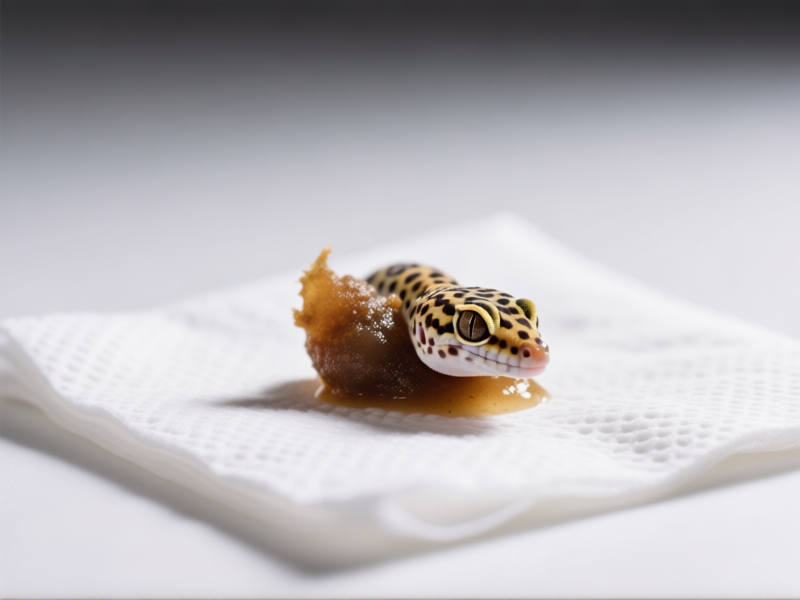
Right. Let's talk about poop. Your leopard gecko's droppings aren't just waste—they're a detailed, if stinky, health report. A fresh dropping can tell a skilled reptile vet more about your scaly pal's gut than a thousand worried Google searches. Ignoring it is like ignoring a "check engine" light. Your gecko can't tell you its belly hurts. But its poop can scream it from the rooftops.
When Your Gut Says "Get That Test"

New gecko? Straight to the vet for a baseline. It's non-negotiable. But beyond that, watch for the clues. Is your gecko's poop runny, bloody, or just...not right? Is it eating like a champ but losing weight? Acting lethargic? Maybe it's not brumation. Maybe it's a belly full of unwanted guests. Parasites are sneaky. They can linger for months before things look really bad. Testing isn't panic. It's proactive pet ownership.
How to Bag the Goods (A Quick Guide)
Here's the thing. The sample needs to be FRESH. Like, less-than-24-hours-old fresh. The best method? Use plain paper towel as substrate. See a dropping? Don't let it bake. Scoop it with a clean utensil into a sealed plastic bag or a container your vet provides. Label it with your gecko's name and the date. Pop it in the fridge if you can't get it to the vet that day. No preservatives. Just fresh, suspect poop on ice. Easy.
The Vet Visit: It's Not a Big Production
You hand over the bag. They'll do a fecal float. Sounds fancy, it's not. They mix the sample with a solution so parasite eggs float to the top, then look under a microscope. Takes minutes. A good reptile vet will do this routinely. They'll call you with the results—"clear" or "we found something." If it's the latter, don't spiral. Most common parasites are treatable with simple medication. This is why you checked.
Reading the Results: "Positive" Isn't a Death Sentence
"Your gecko has pinworms." Okay. Breathe. Many reptiles have low levels of native parasites. The question is the LOAD. Is it an overgrowth causing problems? Your vet will tell you. The treatment is usually a liquid dewormer you give orally for a bit. The hard part? Cleaning the living daylights out of the terrarium to prevent re-infection. It's a hassle, not a tragedy. This is the fix.
The Cost of Knowing vs. The Cost of Guessing
Yeah, a vet visit costs money. A fecal test costs money. But you know what's more expensive? Emergency vet visits for a critically ill gecko. Or the heartache of a preventable problem. Think of it as cheap insurance. You're buying peace of mind. You're buying the knowledge that your little buddy is thriving on the inside, where it counts. That's priceless.