5 Signs Your Leopard Gecko is Overweight (And How to Put Them on a Diet)
Hey, Is Your Gecko Looking a Bit... Plump?
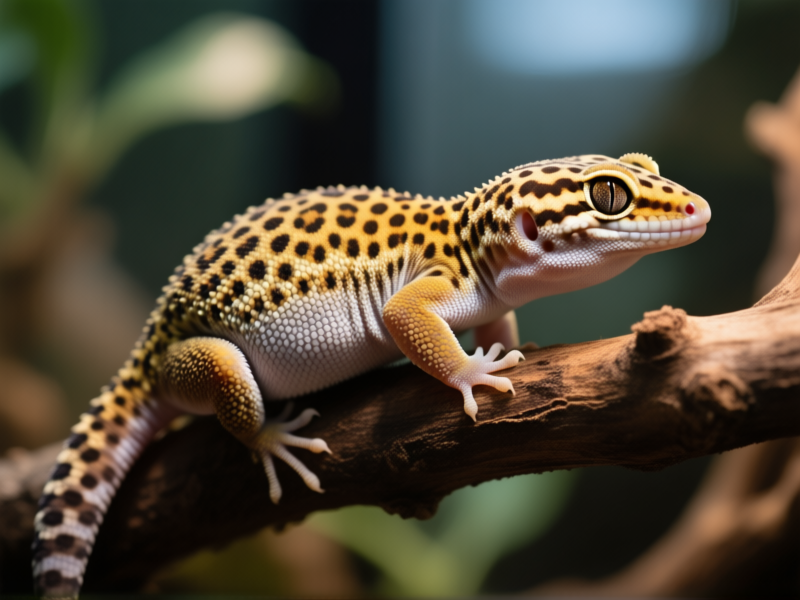
Let's be real. Your leopard gecko is adorable. You love the little weirdo. But you've started noticing some things. The little guy looks a bit... rounder than the pictures online. Maybe he waddles more than scampers. Don't panic. Actually, it’s super common. Here's how to spot if your pet lizard has packed on a few too many grams and what you can actually do about it. No judgment, just facts.
Sign #1: The Disappearing Neck is a Major Red Flag
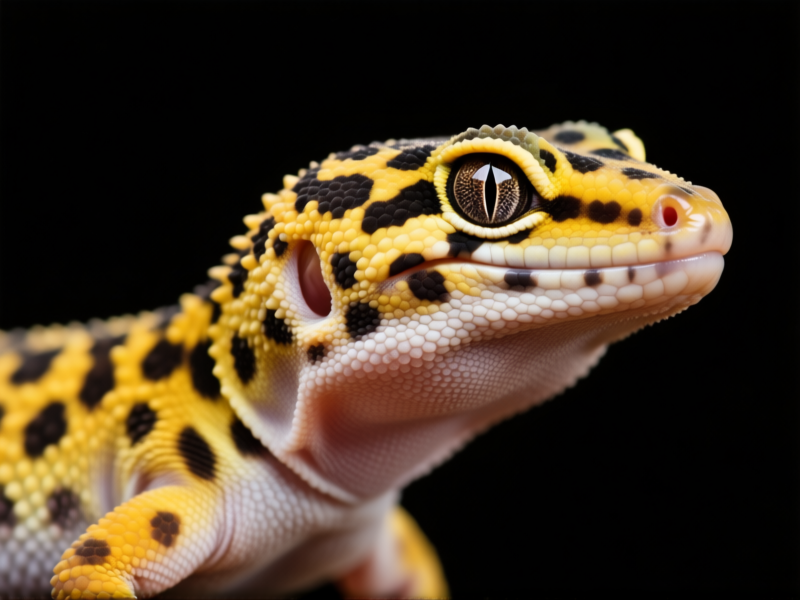
A healthy leopard gecko has a neck. It's a fact. But an overweight one? Its head just kinda... sits on its shoulders. That sleek taper from head to body vanishes, replaced by a thick, sometimes creased, roll of fat. Think of it like a lizard wearing an invisible turtleneck made of its own chub. If you can't see where the head ends and the body begins, we've got our first sign.
Sign #2: Those Chunky Armpit and Groin "Bubbles"
This one freaks a lot of people out. Your gecko stores excess fat in these weird sacs, called "endolymphatic sacs," in their armpits and groin. A little bulge is normal for calcium storage. But when they look like big, squishy bubbles or grapes? That’s not calcium. That's lizard lard. It's the most obvious, telltale sign of an obese gecko. You can't miss it.
Sign #3: The Belly Drag & The Tail Tell
A healthy gecko's belly should clear the ground when they walk. An overweight one? Its tummy might actually drag or sway side-to-side. Now, the tail. The tail is their fat storage unit, so a thick tail is good—but only up to a point. It should be plump, not wider than the gecko's head. If the base of the tail is massively thick and the body is round, it's not just a healthy reserve. It's a systemic issue.
Sign #4: Lethargy is a Symptom, Not a Personality Trait
Is your gecko less of an explorer and more of a permanent cave-dweller? Carrying extra weight is exhausting, even for a cold-blooded animal. A lethargic gecko isn't just "chill." It's often a gecko struggling under the physical burden of obesity. If they barely come out for food and move like they're trudging through mud, their weight is likely affecting their quality of life.
Sign #5: You're Probably Feeding Them Like a Mammal
Here's the uncomfortable truth. This one's on us. We see a cute face and think, "Hey, want another treat?" Leopard geckos are opportunistic eaters. In the wild, they don't get a buffet every night. In captivity, daily feedings of fatty insects (looking at you, waxworms) is a fast track to a pudgy pet. The diet is almost always the root cause.
Okay, My Gecko is Fat. Now What? (The Practical Plan)
First, get a small digital scale. We're going by grams, not guesses. Track the weight weekly. Now, the food. Immediately cut out waxworms and butterworms. They're junk food. Reduce mealworm feedings. Focus on appropriate-sized crickets or dubia roaches, gut-loaded with healthy veggies. The biggest change? **Feed adults only every other day, or even 2-3 times a week.** A few insects per feeding. It feels wrong, but it's right. They'll adjust.
Beyond the Bowl: Encourage the Burn
Food is only half the equation. Look at their home. Is it a boring, flat box? Add some climbing branches. Create different levels with slate. Move their hides around occasionally to force a little gentle exploration. A more engaging environment encourages natural movement. Think of it as reptile enrichment. It helps. Really.
When to Actually Worry (A Quick Word)
If you make these changes and see zero weight loss over a month, or if your gecko seems ill, stop. See a vet. Rule out other issues like impaction or organ problems. A good exotics vet is your best ally. Don't just starve your pet based on a blog article. Use your head.
The Goal is a Happy, Zippy Dinosaur
This isn't about lizard body shaming. It's about healthspan. An overweight gecko is at risk for fatty liver disease, reproductive issues, and a shorter, sluggish life. Getting them to a healthy weight means more years of watching them do their weird little gecko things. That's the whole point. Start today. They'll thank you for it, in their own silent, stare-y way.